
This was my fifth year attending Art Bash, the San Francisco Museum of Modern Art’s annual fundraiser, and after that long with an event, you start to notice its patterns. You start to see where it expands, where it pulls back, and where it decides what it wants to be.
This year, more than any other, it felt like Art Bash is leaning fully into being a live music event rather than a traditional gala. That shift has been gradual, but now it’s unmistakable.
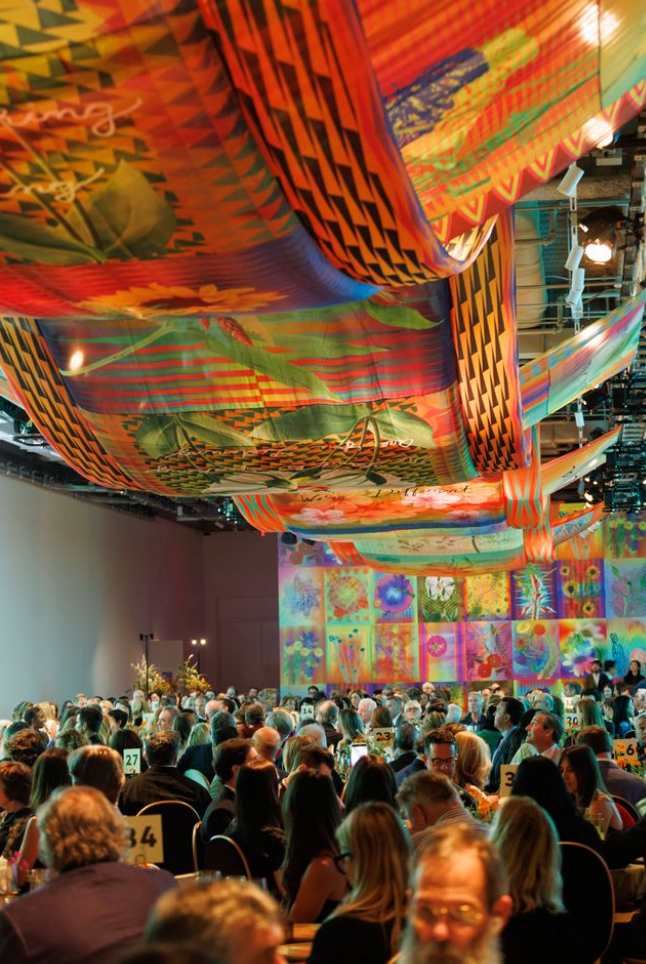
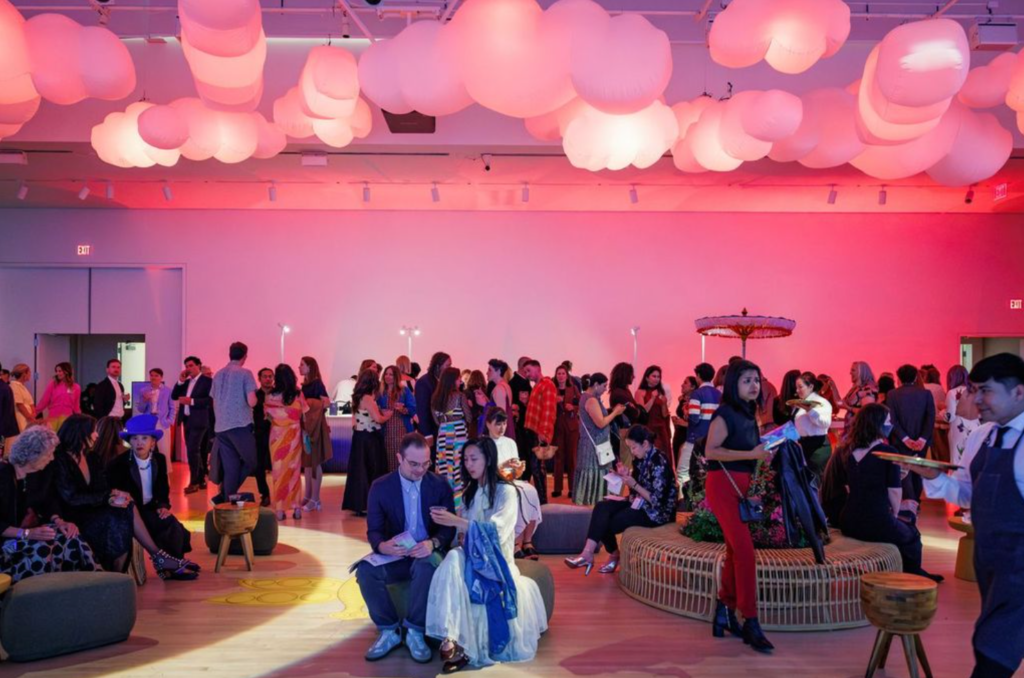
And yet, despite opening nearly the entire building, six out of seven floors, it still manages to feel both crowded and strangely empty at the same time. It’s hard to explain unless you’ve been there. You can move freely; you can disappear into a gallery, and then suddenly you’re back in a dense wave of people again. It’s part of the rhythm of the night.
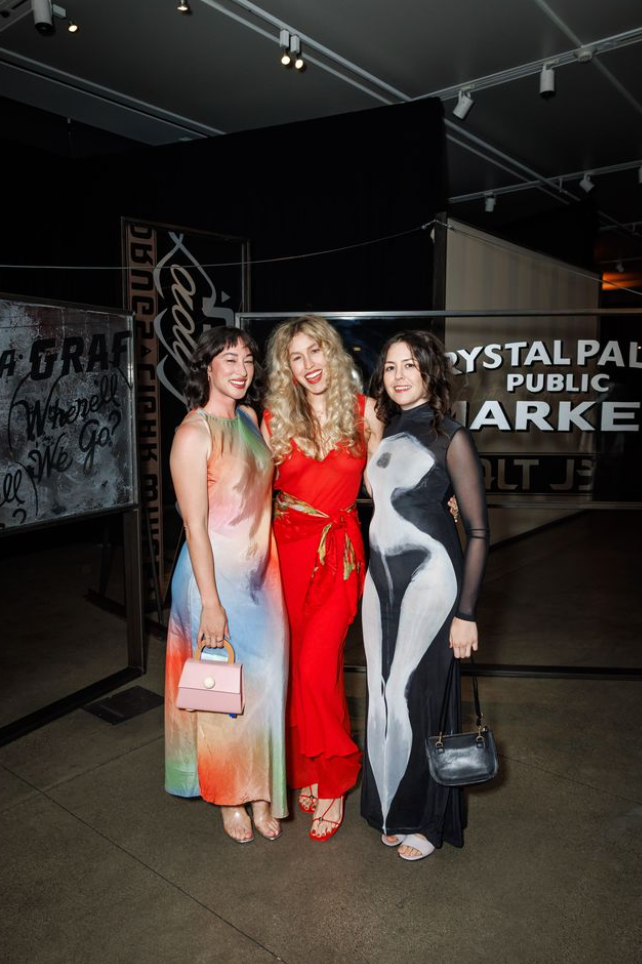
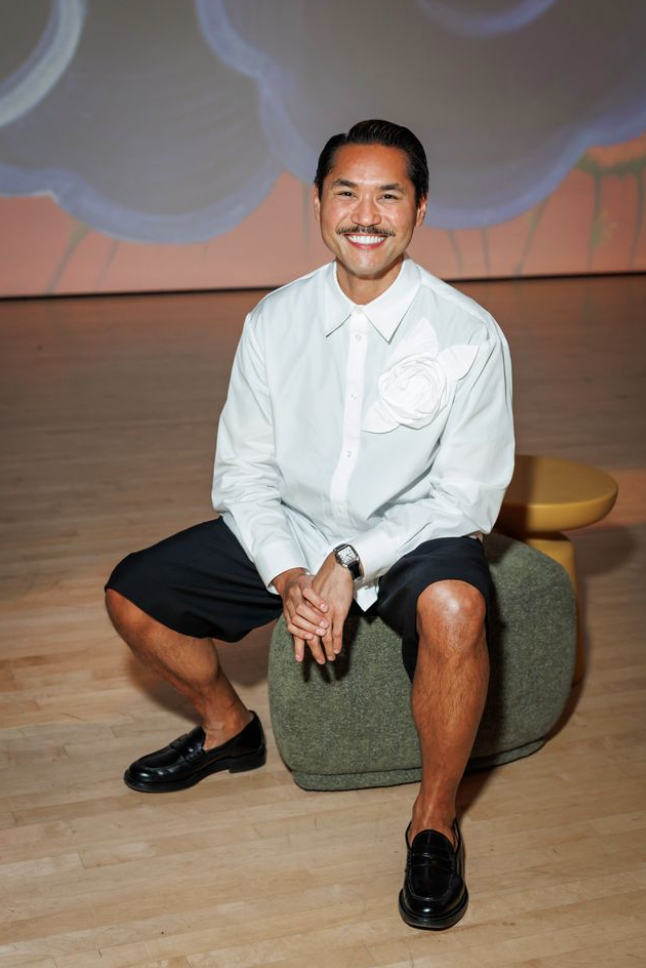
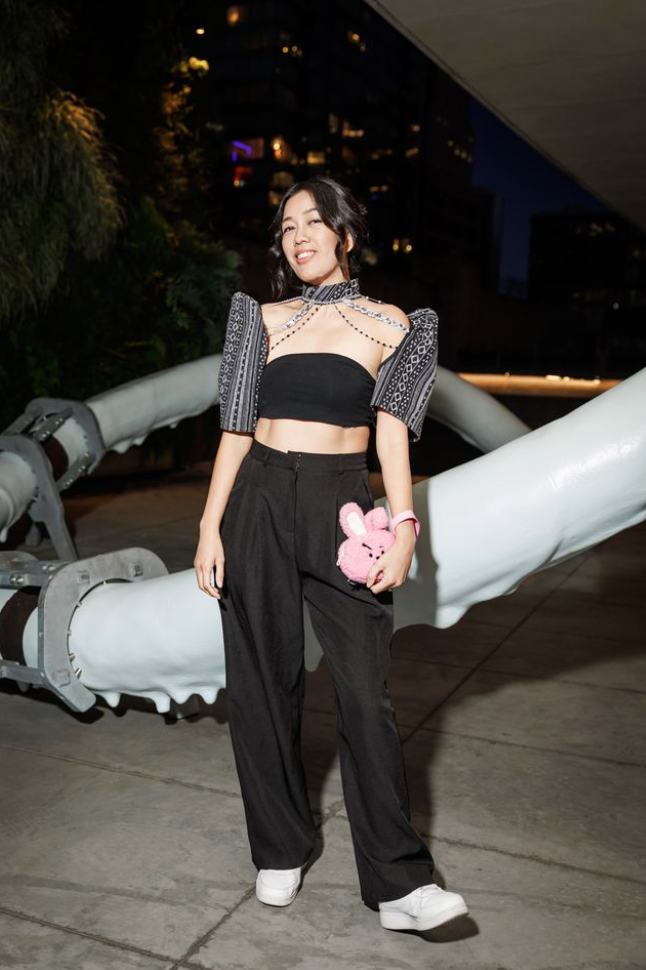
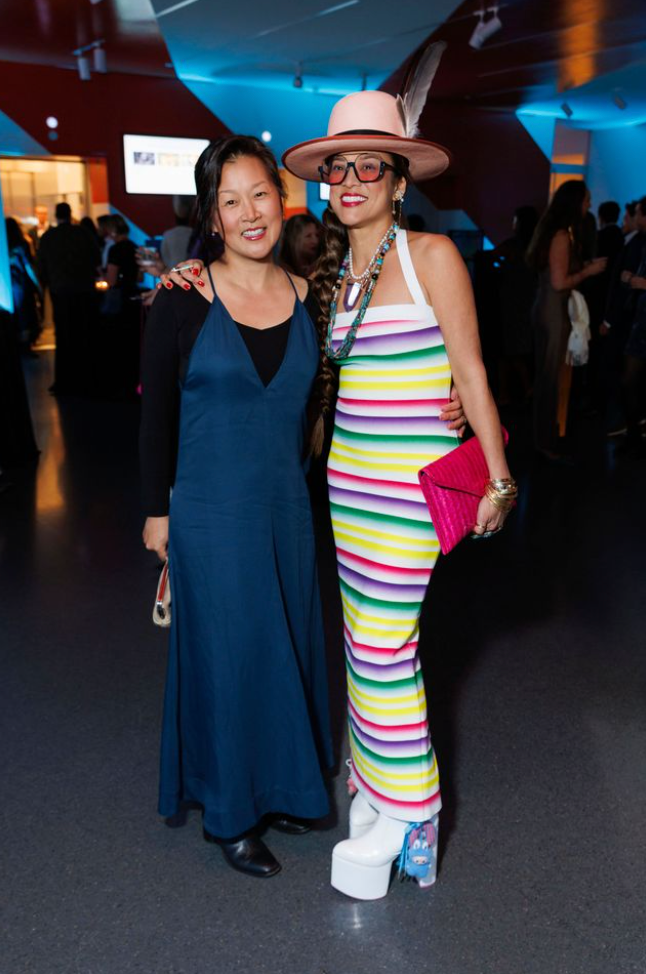
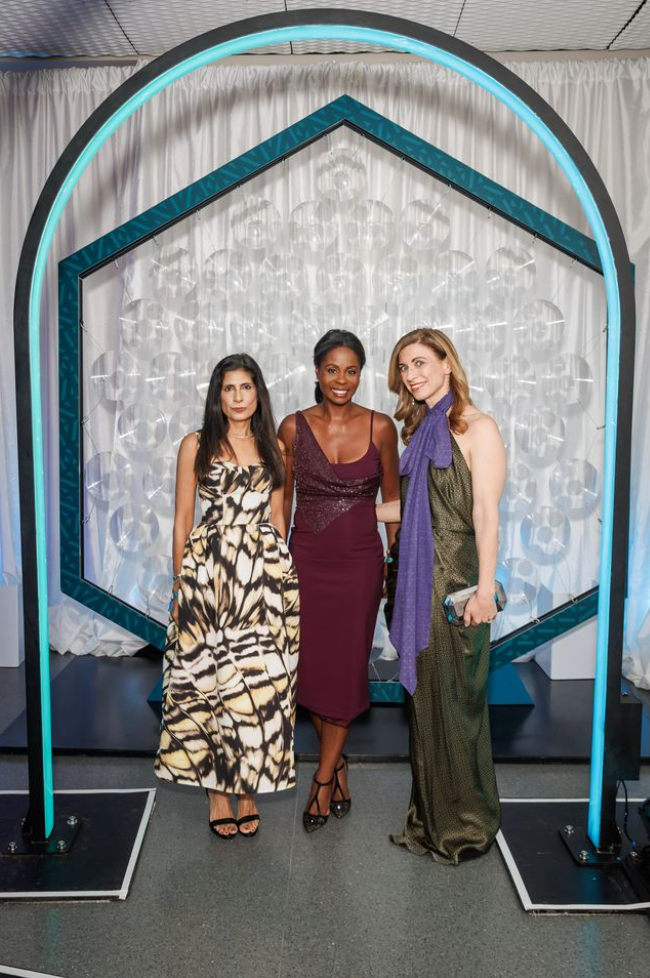
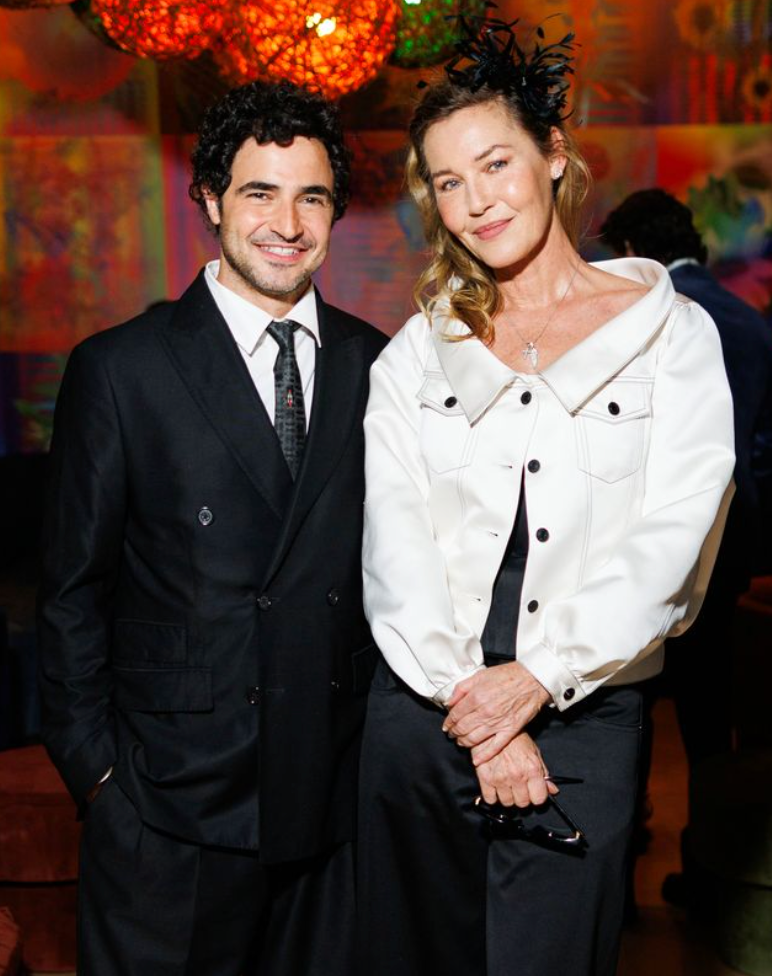
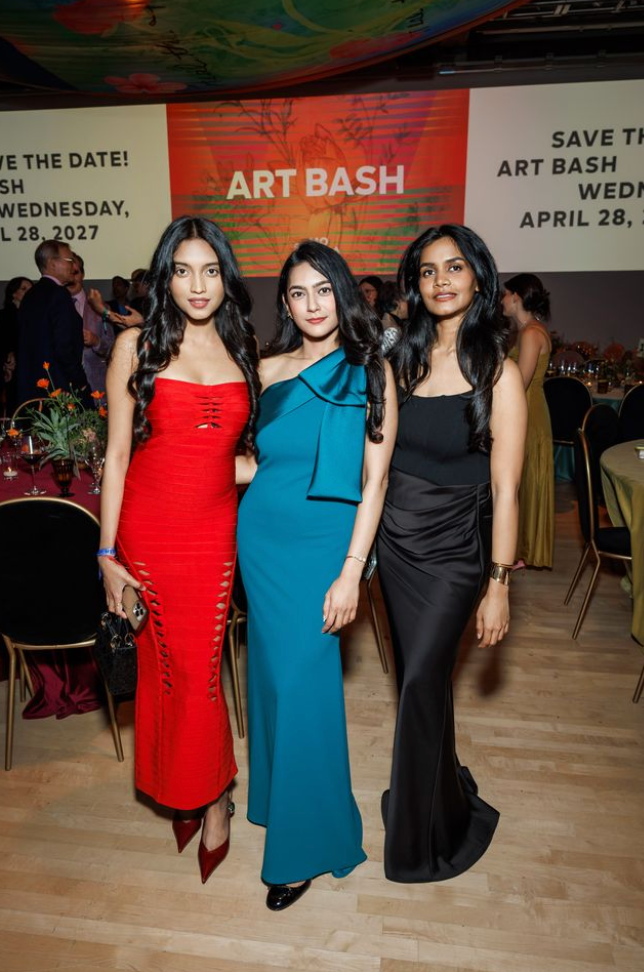
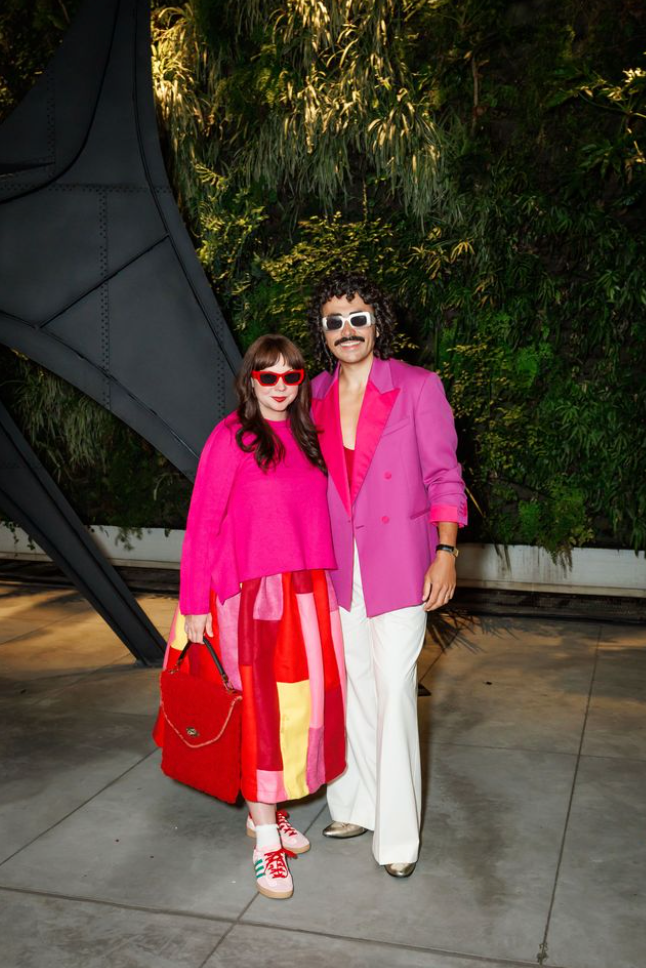
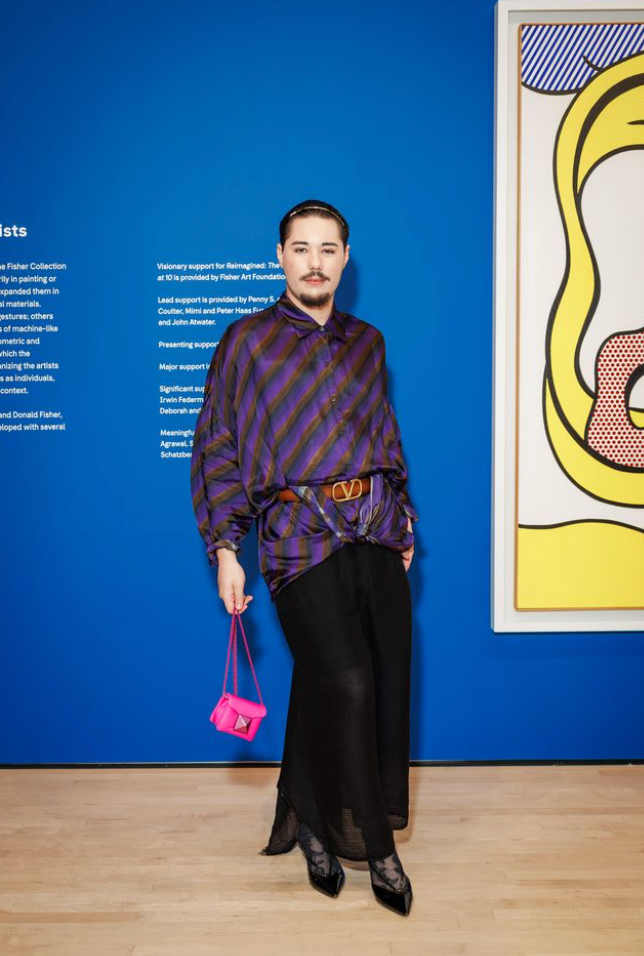
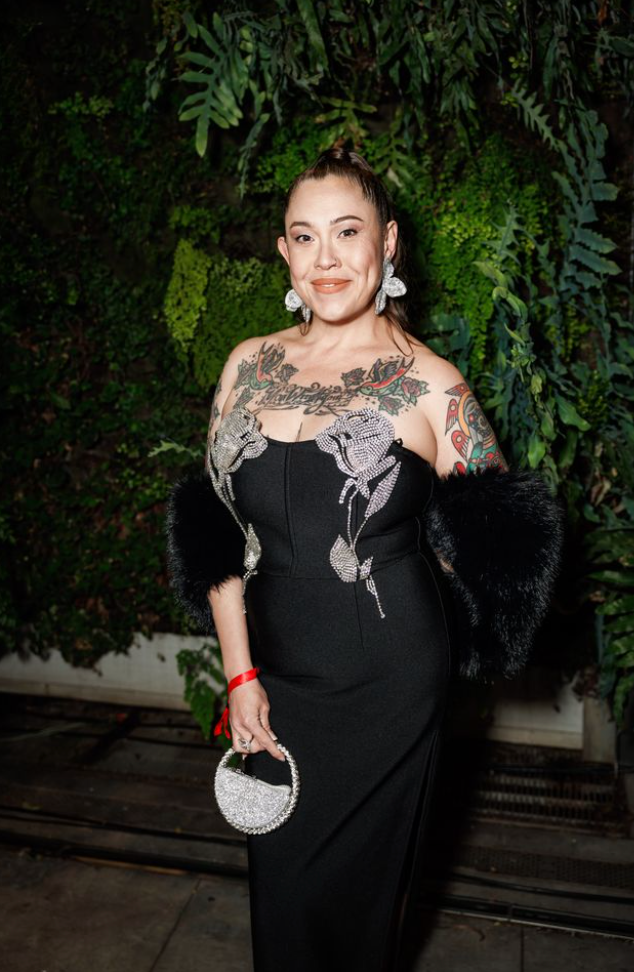
What’s changed just as much is the tone of the crowd. This has never been a strict black-tie event, but in past years, it leaned heavily into spectacle. People showed up dressed to be seen. This year felt different. There were still gowns, still tuxedos, still avant garde moments, but they were sharing space with jeans, sneakers, and people who looked like they had walked in straight from the street.
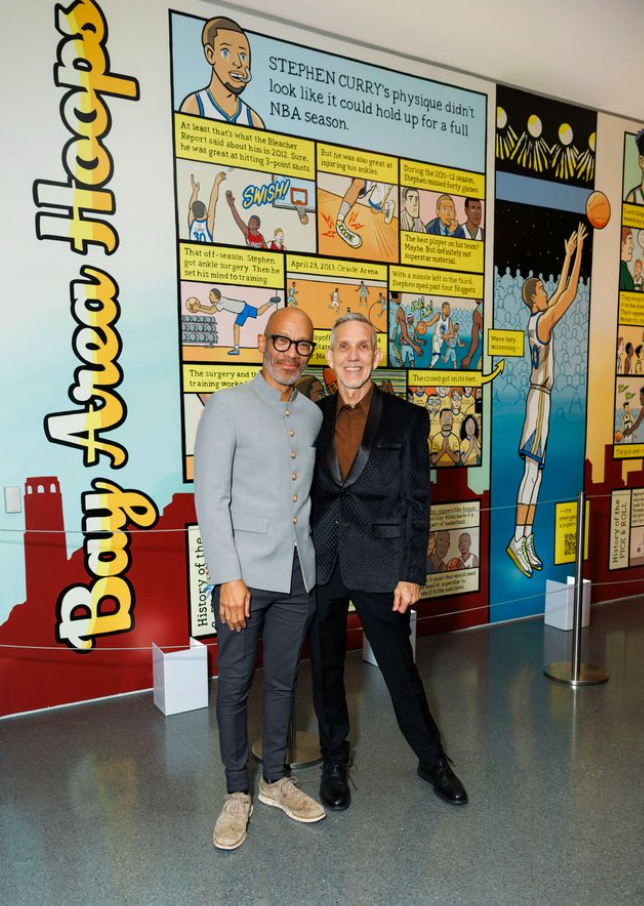
It felt more open. More like the city itself.
And that might not be accidental.
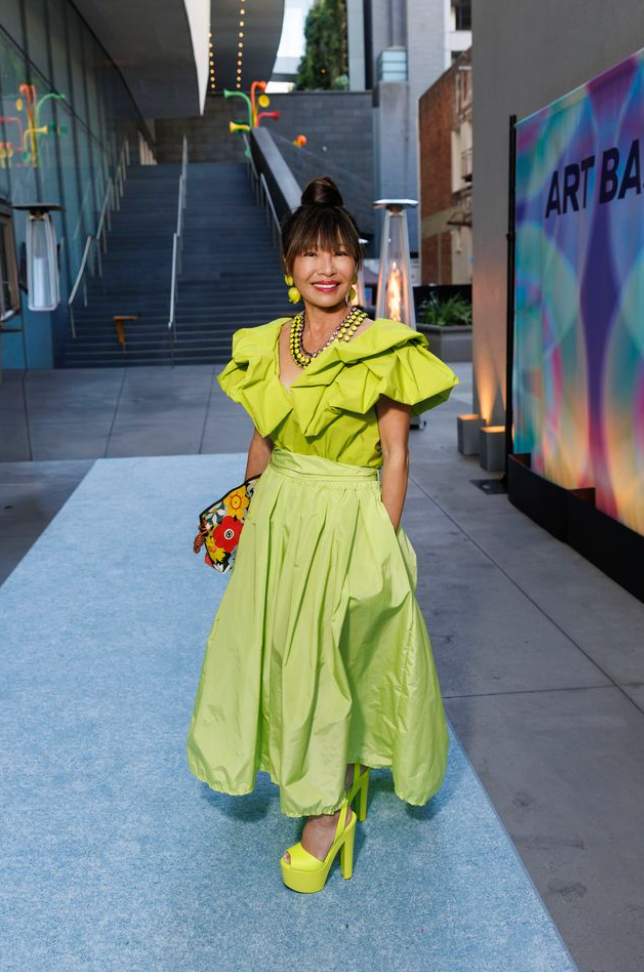
Art Bash remains one of SF MoMA’s most important fundraising events, drawing thousands of guests each year and raising millions in support of exhibitions, education programs, and community access initiatives. In recent years, the event has consistently brought in over $2 million annually, with a mix of donors, artists, collectors, and a rotating presence of Bay Area cultural figures and visiting celebrities. The crowd reflects that range. It always has, but this year it felt less stratified, less divided between who was there to be seen and who was there to actually experience it.
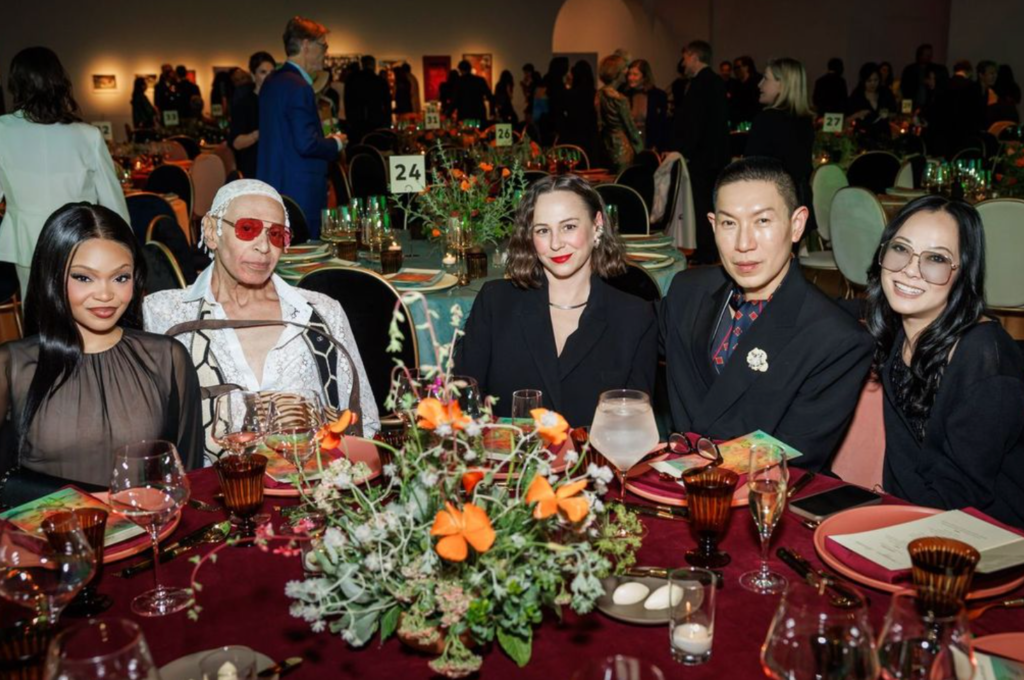
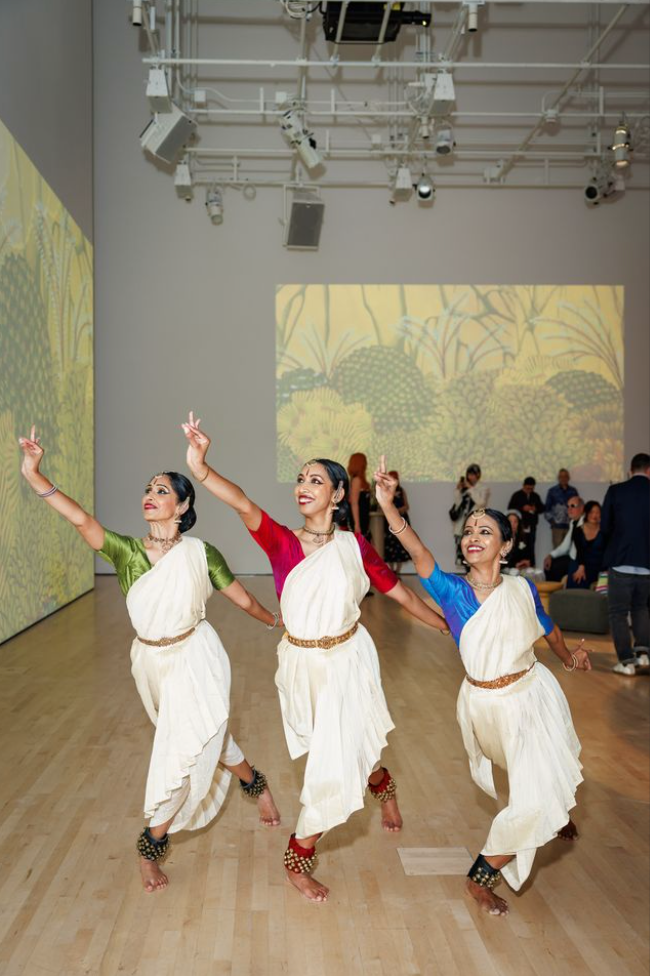
The energy stayed high in the way it always does. There is too much to see for it not to. Every floor offers something different, and there is no real way to stand still unless you decide to remove yourself from it entirely.
What did feel noticeably different was the scale of the food. In previous years, you could treat Art Bash like dinner. You could arrive hungry and leave full. This year, the offerings were pared back significantly. Still well presented, still good, but reduced to a handful of options, tacos, hot dogs, a few drinks and desserts, with lines long enough that I skipped most of it entirely.
But that didn’t end up mattering as much as it might have before because the focus had shifted elsewhere.
The fifth floor terrace captured that shift perfectly. Where it once held louder, more performative programming, this year it was given over to jazz. Open air, understated, almost quiet compared to the rest of the building. It created a kind of pause in the middle of everything, a place to step out of the noise without leaving the event. I found myself returning to it more than once.
And that contrast carried into the night’s performances.
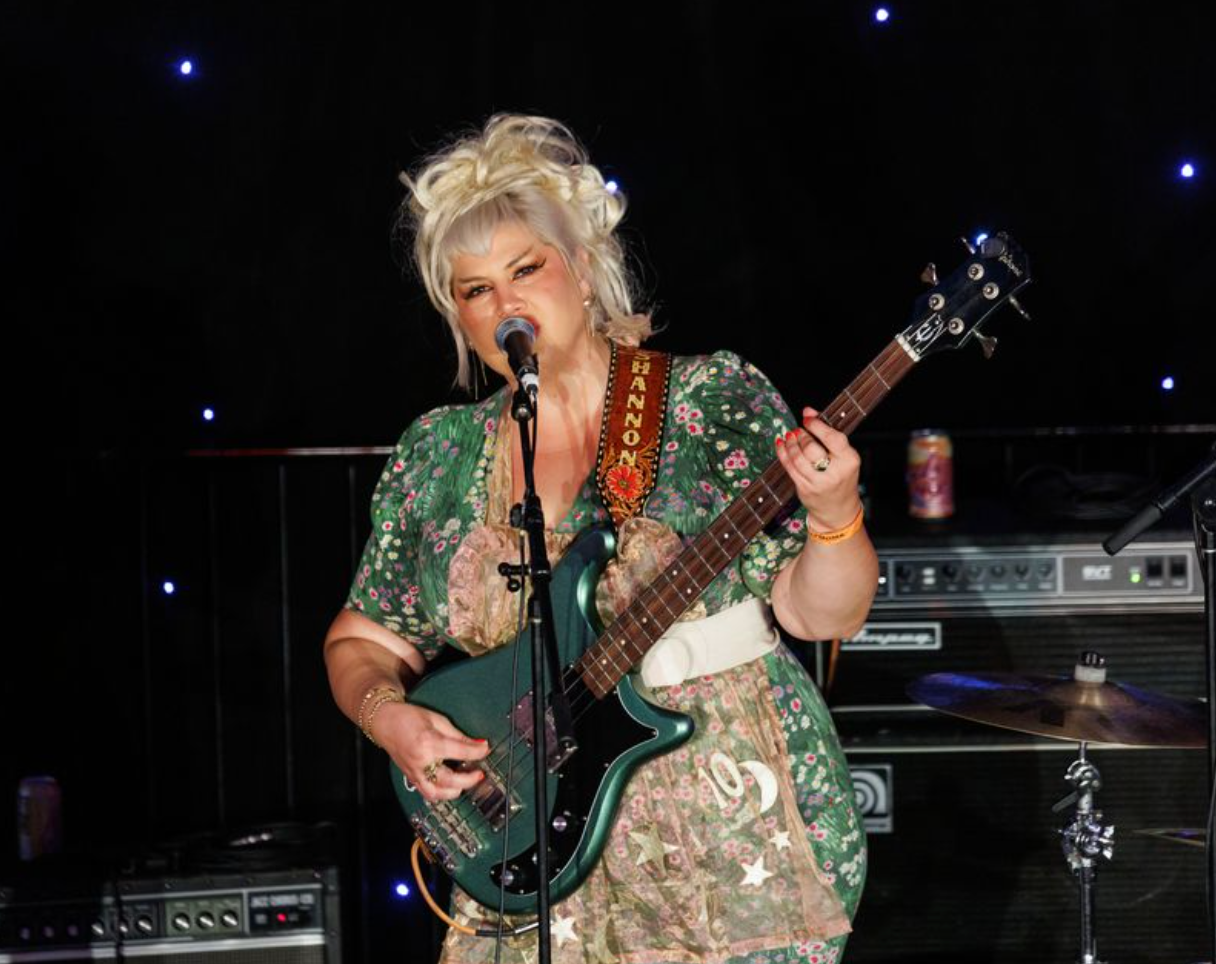
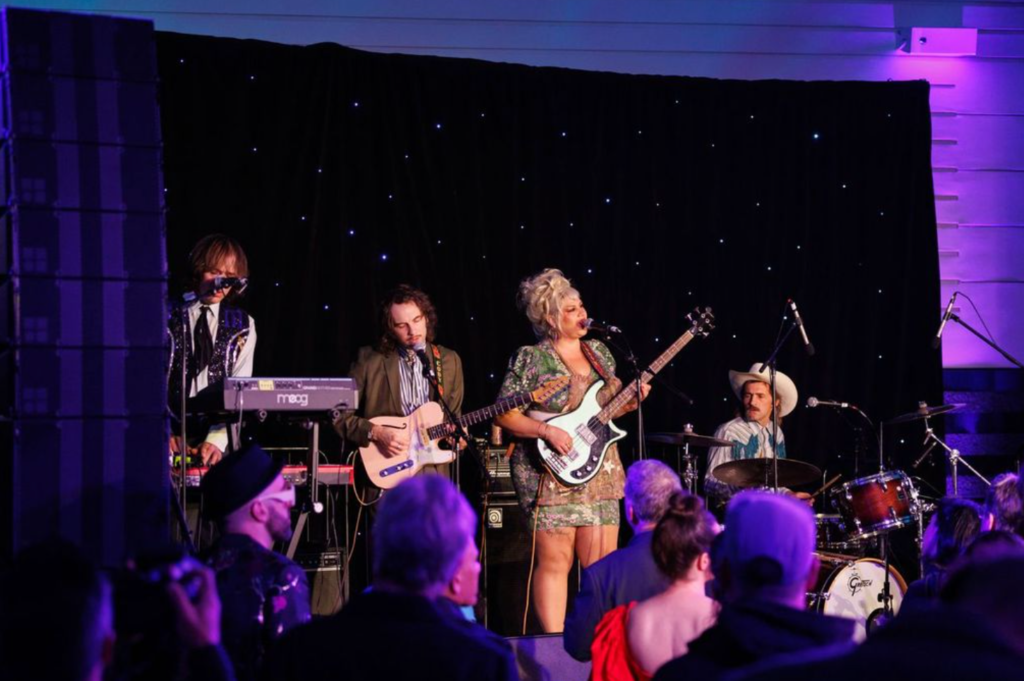
Through a partnership with KQED, the music programming leaned heavily into Bay Area identity. Shannon and the Clams brought a set that felt completely their own—surf, garage, honky tonk, something pulled from another era but still immediate. There’s no one else who sounds like them, and seeing them in that setting only sharpened that fact.
Then the recent NPR Tiny Desk Contest Winner Ruby Ibarra took the stage and shifted the energy entirely. Backed by an all-Filipino house band, she delivered something that felt rooted here, unmistakably Bay Area, but also forward moving. You could feel the crowd respond in a different way. Not passive, not observational. Engaged.
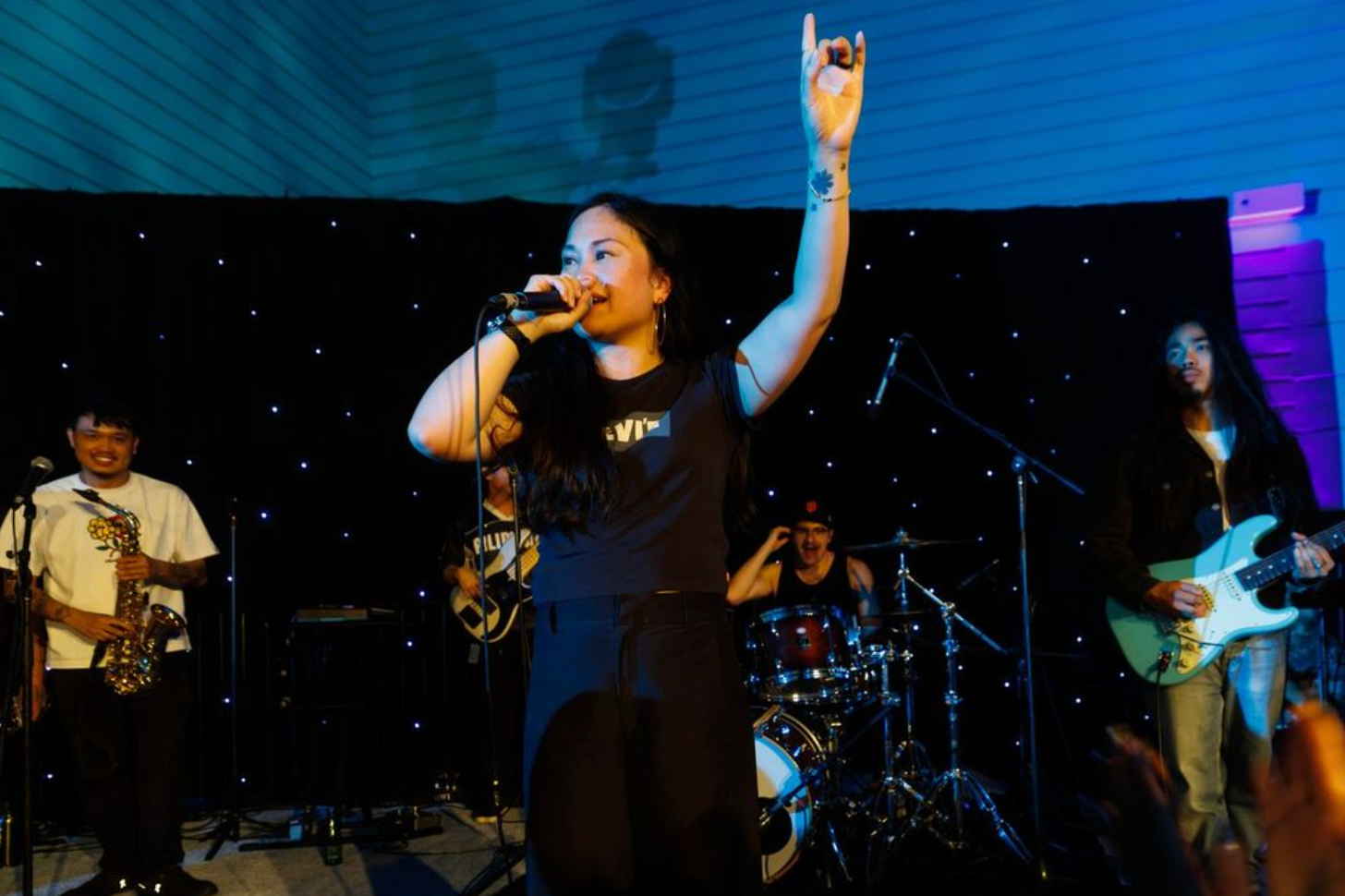
It’s one of those moments where you understand why an artist is rising the way they are.
What Art Bash has become is clearer now. It’s no longer trying to replicate a traditional gala structure. It’s something looser, more fluid, more responsive to the city around it. The changes are visible, in the programming, in the crowd, in the pacing of the night itself.
And whether that’s a response to the current economy, to shifting cultural priorities, or simply to the next generation of museumgoers, it’s working.
Because even with the changes, even with the scaling back in certain areas, it still holds onto the one thing that matters.
It is still one of the most fun nights in San Francisco.
All images, including featured image: Drew Altizer Photography