

Easter has a way of showing up everywhere, even when no one is looking for it. Walk into any store in March, and you’re met with a full-scale pastel takeover. Plastic eggs stacked in pyramids, bunnies with those wide cartoon eyes, glitter crosses tucked between discounted throw pillows. It’s a lot. Not just visually, but there’s a kind of emotional static to it, like the season is trying to tap people on the shoulder, whether they invited it in or not.
It still amazes me how something as harmless as a seasonal display can shift the atmosphere. Not a memory exactly. More like a reminder that this season carries a different weight for different people. You can be standing there comparing prices at the grocery store and suddenly feel the air change, like the room is holding a story you didn’t ask to hear.
For many queer folks, that shift is familiar. Easter tends to brush up against old bruises. Sometimes softly. Sometimes sharply. Sometimes just enough to make someone pause. There’s a gap between the bright, uncomplicated story the season tries to tell and the complicated stories that many people actually lived. It’s not always dramatic. Sometimes it’s just a flicker of something. A tightening in the chest. A memory that never fully settled. A sense of being slightly out of step with the world around you.
A psychologist named Marlene Winell wrote about something she calls “religious trauma syndrome,” and one of her points stuck with me. She said that certain seasons and rituals can act like emotional tripwires, even years after someone leaves a faith community. Easter seems to do that for a lot of people. Not because they want it to, but because the body remembers things long after the mind has moved on.
Easter is marketed as renewal, hope, and fresh starts. For those who grew up in churches that didn’t know how to hold them, the season can feel like a mixed message. Renewal wrapped in language that once excluded them. Rebirth tied to places they had to leave behind. A holiday that insists on joy while quietly reminding them why they walked away. The messaging is everywhere. Commercials. Window displays. Pastel-themed everything. All of it carrying a script that doesn’t fit everyone’s story.
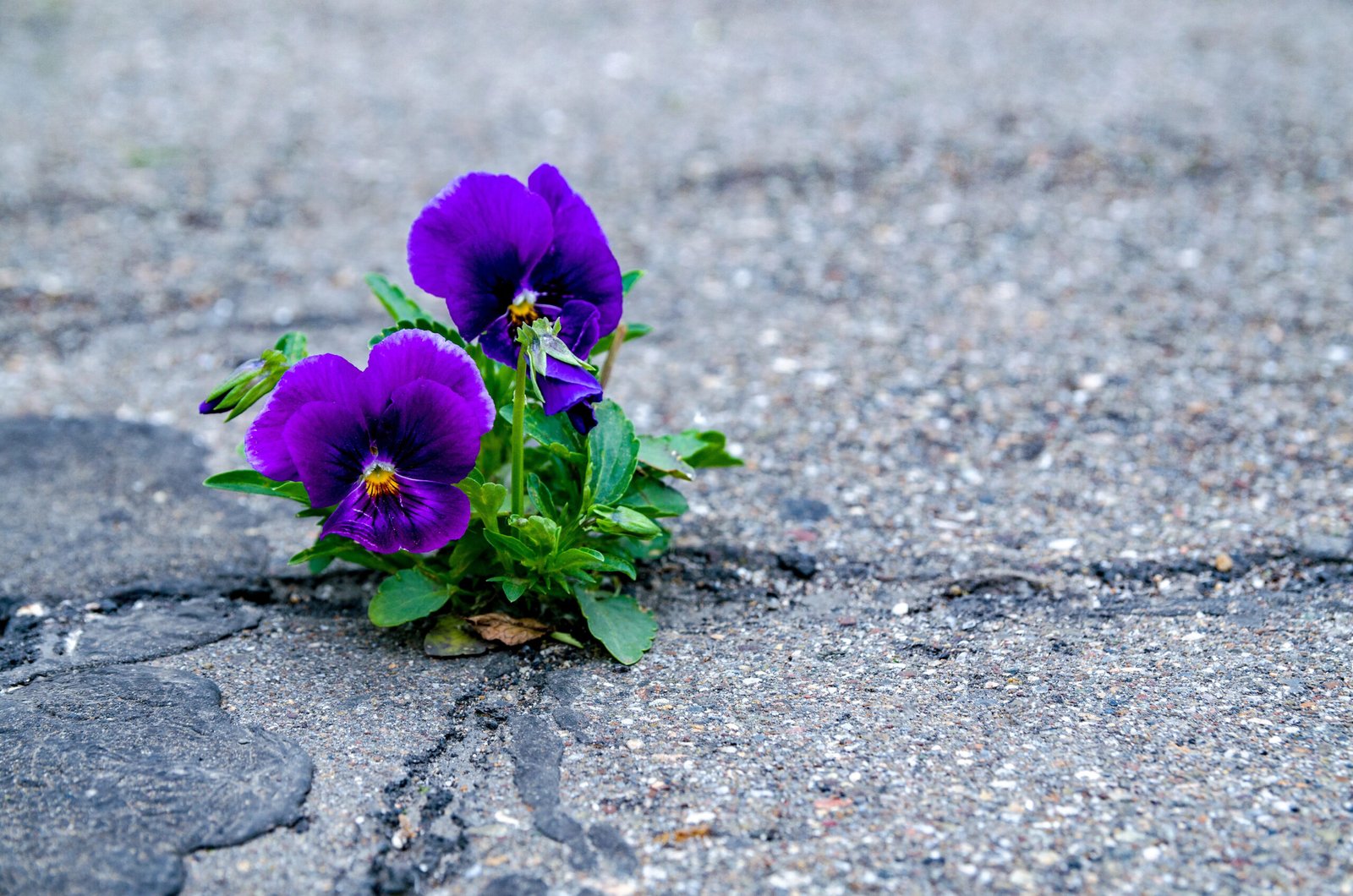
What stands out is that for many, leaving the church doesn’t always mean leaving the idea of resurrection. It simply means redefining it. The traditional version is dramatic and tidy. Three days. Miracle. Everything restored. But the kind of rising queer communities talk about looks different. It’s slower. Less theatrical. It doesn’t come with lilies or choirs or any promise of streets paved with gold. It’s the kind of rising that happens in real time, in real bodies, in real lives that don’t follow a neat arc.
Sometimes resurrection looks like choosing a life that doesn’t match the script someone else wrote.
Sometimes it’s the long work of unlearning shame.
Sometimes it’s the anger doing the heavy lifting.
Sometimes it’s softness.
Sometimes it’s simply getting through the week without letting old narratives take over.
Sometimes it’s choosing rest
Sometimes it’s choosing yourself.
Sometimes it’s choosing to stay.
Sometimes it’s the quiet decision to not go back to what hurt you, even when part of you still feels the pull.
There is something deeply real in that. Something honest. Something that feels more grounded than the polished version many of us were taught. The quieter resurrections, the ones that don’t make it into sermons or greeting cards, often feel like the truest ones.
OFM ran a piece earlier this year called “Unbound: Breaking Up With What Holds Us Back.” The writer talked about the slow, sometimes uncomfortable work of stepping out of old structures and choosing something freer. It wasn’t about religion specifically, but the idea of releasing what once defined you feels connected to how many people think about resurrection now. It’s not about returning to what was. It’s about rising into something that finally makes sense. Something that fits. Something that feels like it belongs to you.
If Easter stirs something in you, even something you can’t quite name, you’re not imagining it. You’re responding to a season that carries a lot of emotional architecture. Here’s the thing: YOU get to decide what resurrection means in your own life. It doesn’t have to be triumphant. It doesn’t have to be public. It doesn’t have to resemble anything you were taught. It doesn’t have to be big or loud.
Your resurrection might be a boundary.
A new ritual.
A refusal.
A beginning so small it barely has a shape yet.
A moment of clarity.
A moment of rest.
A moment of choosing to keep going.
A moment of choosing to stop.
It still counts.
As for me, I am learning to let Easter be what it is. A season that stirs things up for many people, but also a season that invites reflection on what rising can look like in a broader sense. Not the dramatic version. Not the rehearsed one. Just the quiet, steady work of becoming more fully alive in whatever way makes sense. Maybe that is its own kind of resurrection. Maybe the small, unglamorous resurrections are the ones that last. The ones that don’t need a spotlight. The ones that happen in the middle of ordinary days, in the grocery store aisles, in quiet mornings, in the soft places where no one is watching.
