


In an era where the social and political climate can feel increasingly hostile toward the LGBTQ+ community, the need for specialized, affirming mental health care has never been more urgent. While individual therapy remains a cornerstone of treatment, a new initiative in Colorado is proving that the most profound healing often happens when people stop being treated in isolation and start healing in community.
Prism, a specialized Intensive Outpatient Program (IOP) offered by Guidelight Health, is designed specifically for the queer community. Through a blend of evidence-based modalities and identity-affirming curriculum, the program seeks to bridge the gap between clinical excellence and lived experience.
A Sanctuary in a Storm
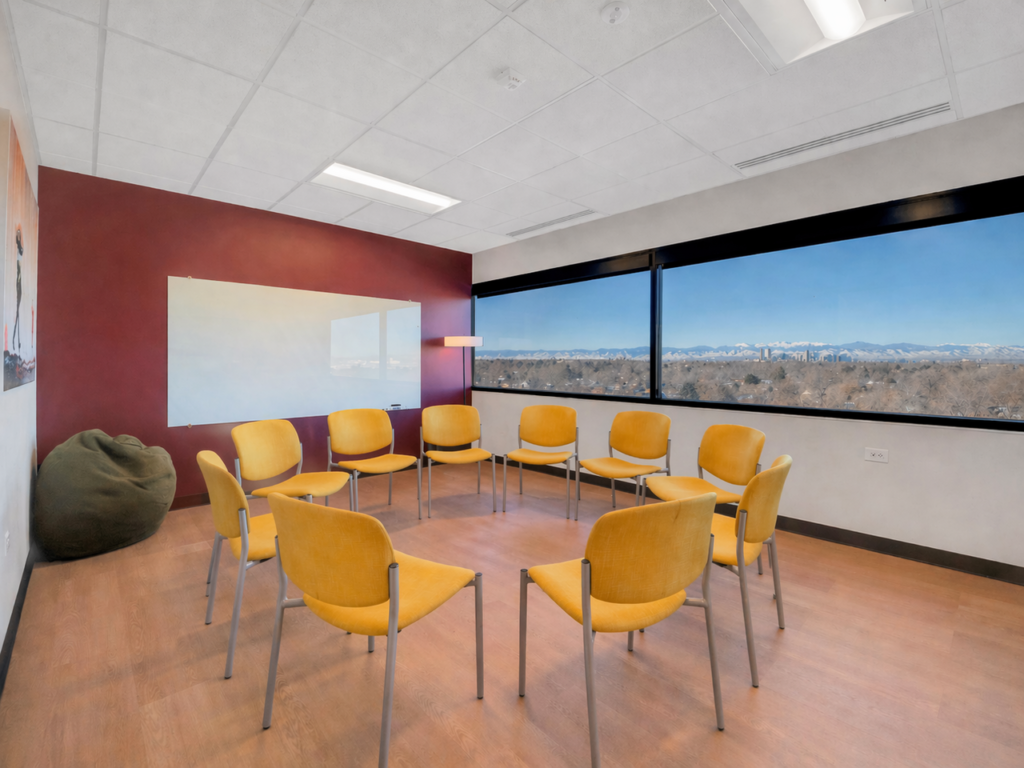
The Prism program was born from a simple yet radical necessity: the need for safety. In a world where LGBTQ+ individuals often have to “filter” their identities even in medical spaces, Prism offers a container where their full selves are the baseline, not the exception.
“Prism is about creating a space where people can access the same world-class care we provide across all of our programs, but in an environment where they truly feel safe and seen — especially right now,” explains Dr. Andy Cruz, Co-founder and Chief Medical Officer for Guidelight. “When you can work through challenges alongside people who share your lived experience, led by a clinician who is part of or deeply committed to that community, something powerful happens. We’ve built Prism to offer that sense of belonging alongside the clinical rigor our clients deserve.”
While Denver and the surrounding areas boast various one-on-one therapy options, the transition to a group-based model represents a shift toward collective resilience. Misty Spiegel, LCSW, a Prism Therapist at Guidelight’s Cherry Creek location, notes that the group dynamic is where the real magic happens.
“What’s so healing about it is that healing really happens in community. Especially in today’s social-political climate and the challenges we face in the queer community, having a space where we can both feel safe and feel validated and seen—feeling like we’re not the only one—is vital. There are two really big things: learning how to provide support to each other, and then probably more difficult and more important, learning how to receive support.”
From Competence to Responsiveness
A recurring theme in the Prism philosophy is the distinction between “cultural competence” and “cultural responsiveness.” Many providers can claim to understand the basics of LGBTQ+ terminology, but Prism therapists strive for a deeper, more active engagement with their clients’ realities.
Gavin Parks, LPC, a Prism Therapist at Guidelight Central Park, elaborates on this distinction: “Cultural competence is all about knowing how to work with somebody different from you. But cultural responsiveness is that ongoing reflection of how we as clinicians—who hold inherent power—can show up to provide a space that evens the ground. We are looking at how we navigate moving forward, given the current political and social climate we are in.”
This responsiveness is woven into the curriculum. While Guidelight’s standard tracks are inclusive and affirming, Prism dives deeper into topics that are often sidelined in general mental health settings.
“The main difference is that Prism will have a couple specialty topics,” says Bea Stonz, LCSW, Executive Director of Guidelight Central Park. “We discuss sexuality, gender identity, community support, and reasons for living in the face of stigma. These are groups added specifically for folks within the queer community who want a space where they can discuss or learn or share with others. In our general track, we still support all identities, but Prism is for those who want to talk about these things very openly.”
Resisting the Pathological Lens
Historically, psychology has often pathologized queer identities, viewing the individual as “broken.” Prism flips this narrative, acknowledging that much of the distress LGBTQ+ individuals feel isn’t an internal defect, but a logical reaction to external pressures.
“I think the really important thing is, when we are navigating such a harsh environment, we need to be at a place regulated enough so that we can engage in value-oriented actions,” says Parks. “We take a ‘backdoor approach’: how can we get ourselves regulated so that someone who values equity and justice can then go and write to their senator or attend Pride? We’ve shifted from pathologizing to a space where we celebrate resistance and queer joy. We recognize that we are inherently so strong.”
This strength-based approach allows clients to reclaim their agency. Instead of focusing solely on trauma, the program highlights the resilience inherent in the queer experience.
The Structure of Care: A Day in Prism
The Prism program is intensive, designed to provide high-level support for those who need more than a weekly therapy hour but don’t require inpatient hospitalization. The schedule is rigorous but balanced, utilizing a variety of evidence-based tools.
The Central Park location operates a five-day-a-week morning track (9:00 AM to 12:30 PM), while the Cherry Creek location offers a four-day-a-week evening track (4:00 PM to 7:00 PM). A typical day is broken down into three distinct blocks:
- Dialectical Behavior Therapy (DBT): Focusing on mindfulness, emotional regulation, distress tolerance, and interpersonal effectiveness.
- Cognitive Behavioral Therapy (CBT): Targeting behavior activation, thought challenging, and disrupting rumination.
- Anxiety Management: Utilizing a wide range of evidence-based modalities including Motivational Interviewing and Acceptance and Commitment Therapy (ACT).
“Clients are welcomed by our lovely client service coordinators, grab their morning coffee or morning treat, and start their day being in that environment with other people, just getting into that comfortable safe space,” Parks describes.
Holistic and Interdisciplinary Support
One of the standout features of Guidelight’s model is the “wraparound” nature of the care. It is not just about the hours spent in group; it is about the entire ecosystem of support surrounding the client.
“We operate from an interdisciplinary system of care,” says Amanda Bicker, LPC, Director of Clinical Outreach. “In addition to our clinical therapeutic team, we have med management incorporated into our programming. We have a medical director who is a psychiatrist who oversees care at every single clinic. Then we have Psych NP’s, registered nurses, behavioral health techs, and our client service coordinators who really do that beautiful wraparound case management support.”
Crucially, Prism breaks the mold of traditional IOPs by including individual and family components:
- Weekly Individual Sessions: Clients meet one-on-one with their assigned Prism clinician.
- Weekly Family Sessions: An optional space for families to engage in the healing process.
- Outpatient Coordination: The team introduces themselves to a client’s outside therapist on the day of admission to ensure a “seamless transition” once the program ends.
Accessibility and Ethics
For many, the barrier to high-quality mental health care is financial. Guidelight has made a concerted effort to remove these hurdles by working with a wide range of insurance providers, including Medicaid.
“We never want cost to be a barrier to getting care,” Andy Cruz emphasizes. “We focus on getting people connected to the right level of care first. From there, we work with each individual to find an approach that makes sense for their situation, whether that’s working through their insurance or exploring flexible options for those paying out of pocket. Our goal is always to find a path forward together.”
Beyond financial accessibility, the team is committed to the ethical sanctity of the group. In a tight-knit community, maintaining privacy is paramount. Misty Spiegel addresses this by establishing clear “group norms” and expectations.
“We talk about confidentiality as a responsibility to each other, to protect each other,” Spiegel says. “I usually present that in terms of: stories stay, but lessons go. People’s individual stories belong to them, but the things we learn from each other in our community—those are the things you should take with you.”
The Path Forward
As the Prism program continues to grow, its mission remains clear: to provide a sanctuary where queer joy and clinical excellence coexist. By providing a space where individuals can be “regulated enough to engage in value-oriented actions,” Guidelight is not just treating symptoms—they are empowering a community to thrive.
In a world that often asks the LGBTQ+ community to diminish itself, Prism is a loud, affirming reminder that there is power in being seen—and even more power in healing together.
Editor note: Can we add For more information, please visit us at guidelighthealth.com/prism/ or connect with a member of our team at 888-681-2730.
