

It was early summer 2024, and my then-87-year-old grandma was not having a good start to the year. First, she suffered a stroke, and not too long after that, she was back in the emergency room again. this time with severe gastrointestinal issues. She felt weak, couldn’t even get out of the chair to go to the bathroom. The culprit: Rotavirus.
That is not what this article is about but rather its virus cousin, Shigellosis.
Starting this article, I had no idea what Shigellosis was. So, I did a little digging, and alarm bells started sounding off in my head—These two viruses are very similar. Both have similar causes, symptoms, infection rate, and so on.
The differences are few but still very important.
Shigellosis is caused by a group of bacteria called Shigella, while Rotavirus is caused by a viral agent. Rotavirus cannot be treated with antibiotics, and hospitalization is often required, while Shigellosis often requires antibiotics in order to shorten its duration and weaken transmission rates.
Before continuing with any further stories of Shigellosis, I will now provide readers with the important details: the who, what, when, where, and how.
Who is traditionally impacted by Shigellosis?
Children younger than 5 years old—particularly in childcare, people who travel to places with poor sanitization (i.e. Niger, Chad & Benin), gay and bisexual men, and people who are experiencing homelessness.
What is Shigellosis?
According to Healthline, Shigellosis is a bacterial infection that affects the digestive system. It’s caused by a group of bacteria called Shigella.
What is Shigella bacteria?
According to the CDC, Shigella are germs that cause diarrhea.
When do people start to see symptoms?
People traditionally begin to see symptoms one to two days after onset. These symptoms tend to last up to seven days. Symptoms of Shigellosis usually include bloody or prolonged diarrhea, fever, and severe stomach pain.
How do I prevent myself from contracting Shigellosis?
Wash your hands with soap and water often, especially before, during, and after meal prep; before and after eating; after using the restroom; after changing diapers or cleaning up after a child who is ill; and before and after caring for someone who is sick. Also, limit sexual contact with an individual who is sick.
What if I don’t have access to soap and water, if I’m camping or hiking?
You can use an alcohol-based hand sanitizer that contains 60% or more alcohol. Remember to rub your hands together until the sanitizer is completely dry.
Dr. Carlton Thomas, Gastroenterologist and host of the Butt Honestly Podcast unfortunately got to experience Shigellosis firsthand.
Thomas told The Advocate that he started having bloody diarrhea and eventually needed IV fluid bags before being treated with an antibiotic. His symptoms subsided over the next 24 hours, but the experience left Thomas with a desire to raise awareness about the bacterial infection, particularly how to prevent its spread.
“I was very lucky,” Thomas says. “It felt like I was going to die.”
Shigellosis and its bacteria, Shigella, are nothing new. Cases have been reported as early as the 1890s. What’s different about this newest strain is how drug-resistant it is and who it is most likely to impact.
In a recent report by the CDC, research found that Shigella bacteria between 2011 and 2023 were found in a higher number of adult men, many of whom had also tested as HIV positive.
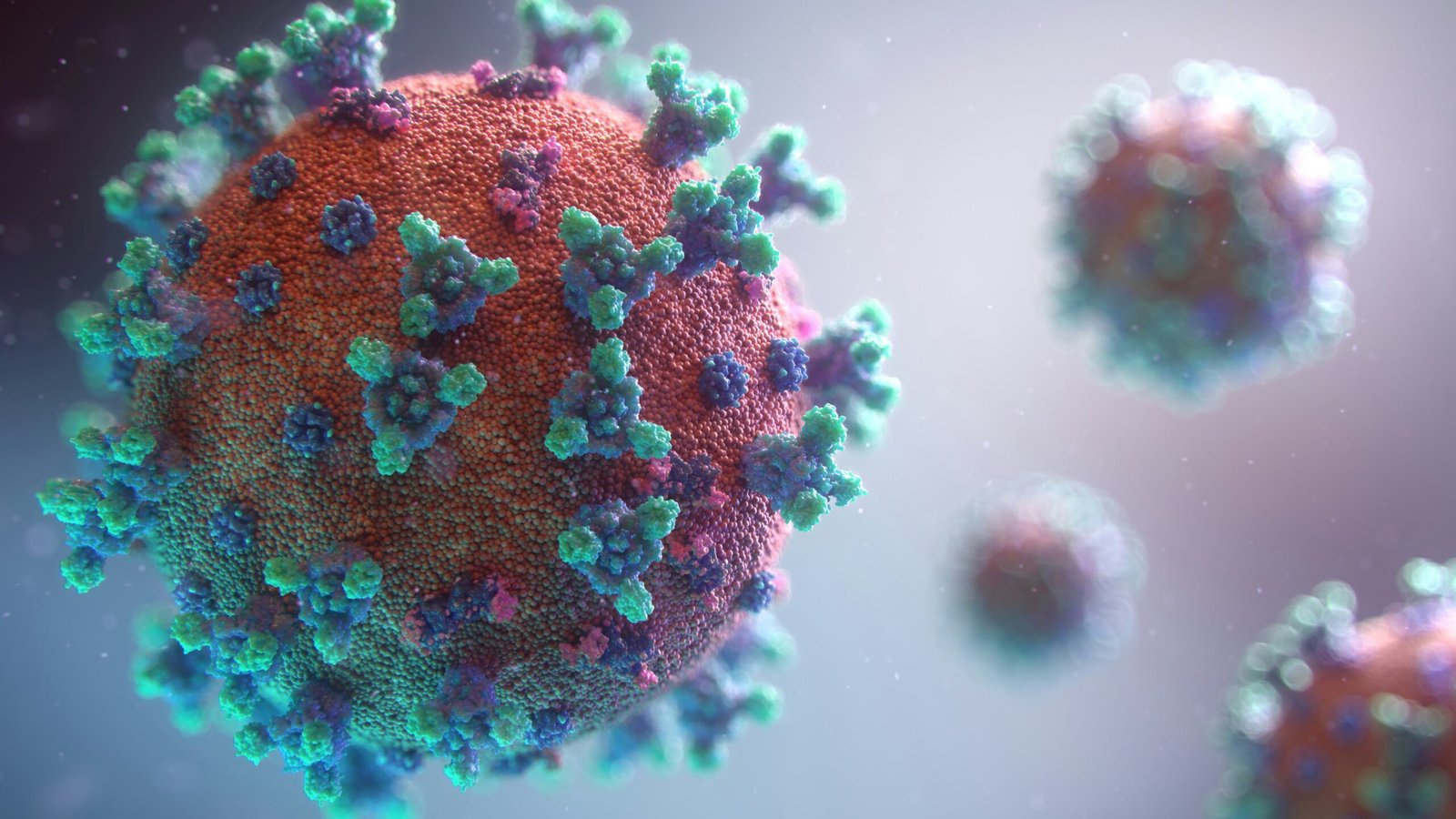
Photo Courtesy of Unsplash
