

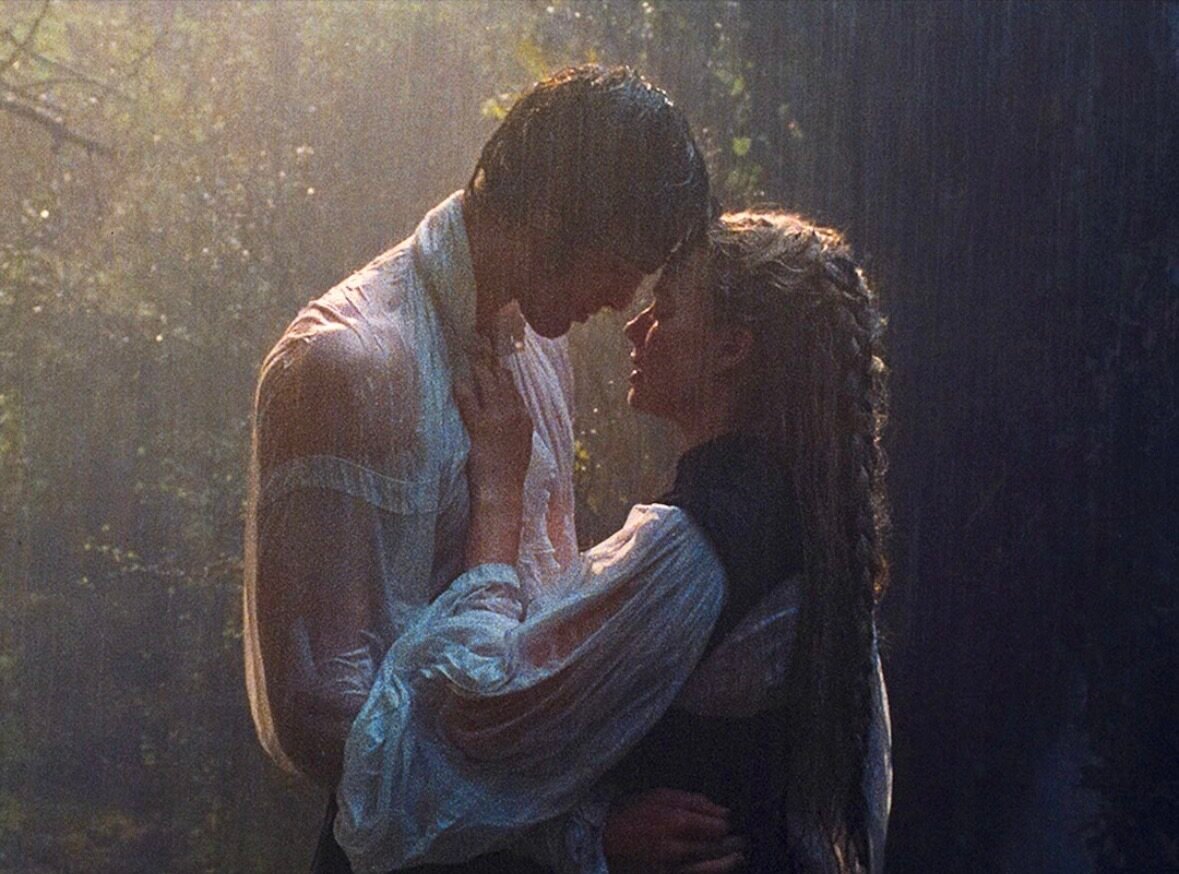
“Whatever our souls are made of, his and mine are the same.”
Wuthering Heights, written and directed by Emerald Fennell, came out this Friday. And there’s a lot to say.
Charlie XCX’s Wuthering Heights accompanying album is the main soundtrack for the movie; without which, the movie would not have been as completely consuming. A step away from her more recent music, the composition placed the audience directly in the film.
The novel by Emily Brontë is now considered a classic piece of gothic literature. But, at the time it was a truly “novel” work of experimental fiction. With dark, and supernatural themes, lacking true protagonists of moral highground, Brontë tackled a story of human relations without conforming to the stereotypes of a 19th century novel. Her novel was meant to enthrall the audience and leave them bewildered.
Fennell’s “Wuthering Heights” did just that. The title of the film includes the quotation marks, denoting that it is not meant to be a direct adaptation. The 2026 film is a modernized and stylized take on Catherine and Heathcliff’s story; and it was deeply compelling. Consuming. Coquette. Catastrophic.
Casting
The cast was incredible. Margot Robbie and Jacob Elordi’s performances were raw and intimate in a pure, unfiltered light. Hong Chau brought an independence to Nelly, with a complexity that reflects the motif of the natural corruption of the human-experience.
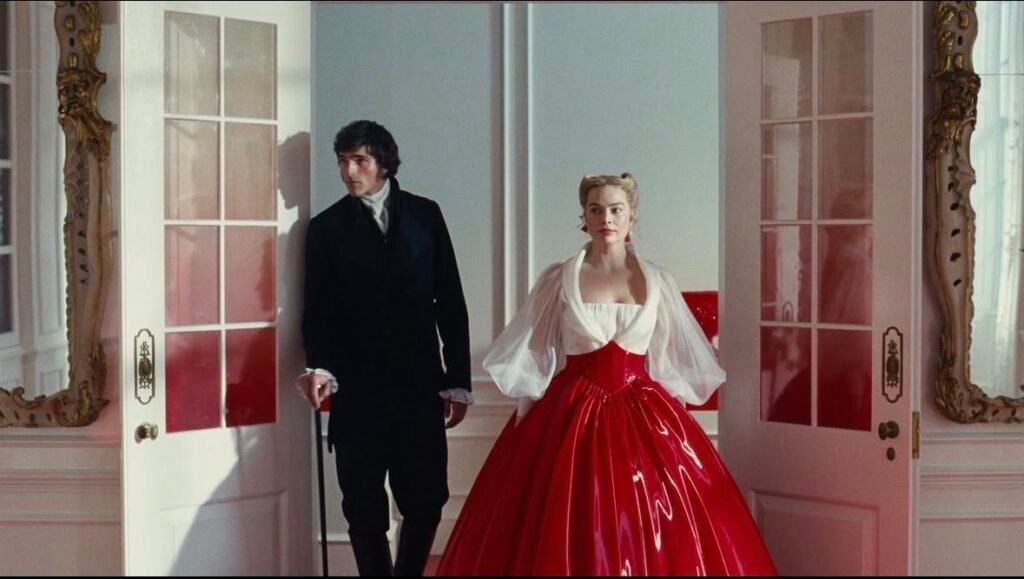
There has been an abundance of criticism over some of the filmmakers’ choices, the primary choice being the casting of Heathcliff: Jacob Elordi. In the novel, he is described as a “dark-skinned gypsy,” and the internet has been in an uproar over the white-washing of his character. The race of Heathcliff is generally ambiguous in the novel, despite the internet’s insistence that he was Black. The race of other characters in the film was not consistent with the novel. Mr. Linton is supposed to be white, but he was played by Shazad Latif who is Pakistani, Scottish, and British.
Race is not something that can ever be truly separated. In the context of Catherine and Heathcliff’s story, the economic class of the characters plays a more significant role in their situation, and the film prioritized this element.
Costume
Costume design has received some judgement for the modernized and gaudy themes. Latex, cleavage, ribbons, heavy metal crosses and tacky jewels, the message couldn’t be more clear. Money corrupts, the rich sit content in the absurd.
Each costume is drenched in imagery and symbolism that is masterful. Creating simultaneous harmony and dissonance with each scene. The raw natural elements of the minimalistic make-up blended with the bold, flashy fashion.
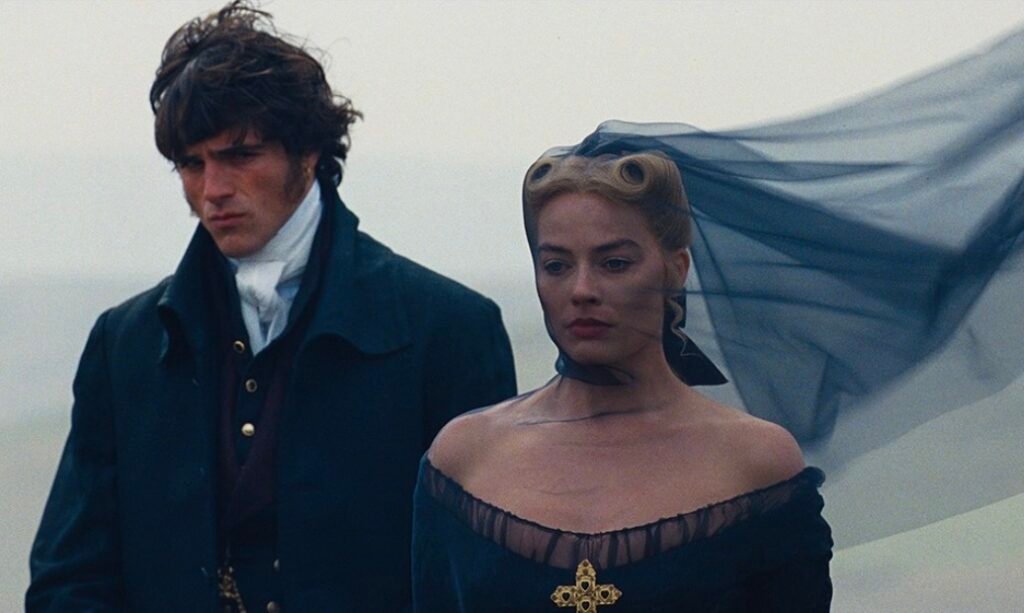
Catherine’s black veil blowing in the wind, conforming to the right side of Robbie’s mourning face pulling her character visually closer to Heathcliff, who stands to her right: a presiding presence of both comfort and despair.
Cinematography
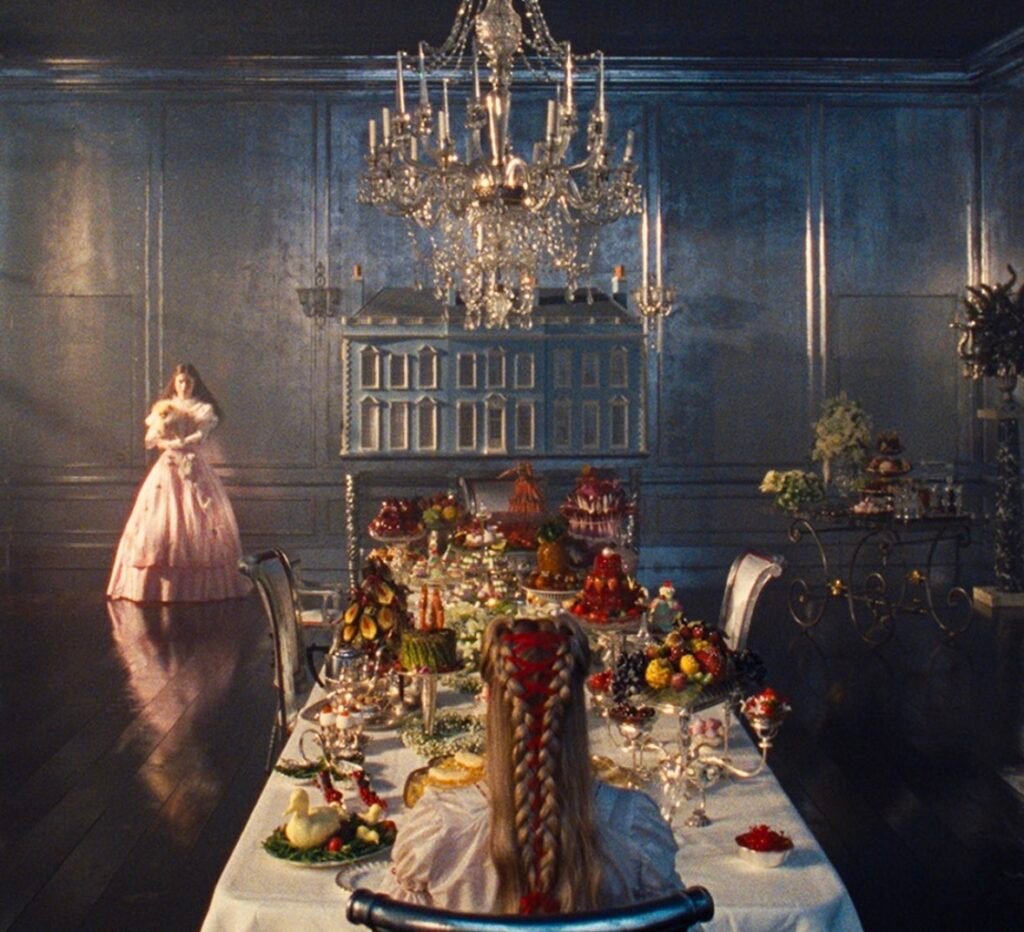
The mise-en-scène was masterful, each scene carefully constructed to perfection. Fennell has done it again. After the success of Saltburn and Promising Young Woman, it is no surprise that Wuthering Heights was nothing short of a work of art.
By the end of the movie, the theater was full of wet faces streaked by tears. Persuading emotion out of the unlikeliest of victims, Fennell’s movie was devastating in the best way. Robbie and Elordi’s performances in the final scene was an utter display of their reverence of true cinema.
With the trailer, audiences walked in expecting a soft-porn period-piece and walked out in shambles. There is plenty of hate going around for the film, but it deserves a lot of love too.
Photos courtesy of social media
