

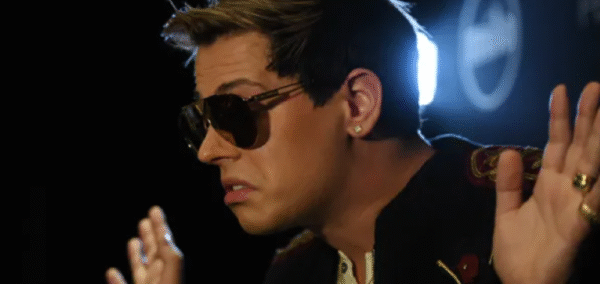
Problematic provocateur Milo Yiannopoulos, who identifies as ex-gay, told Tucker Carlson this month that his biggest regret is mainstreaming homosexuality in the Republican Party—and that he sometimes hates himself for it.
But anyone familiar with his long history of inflammatory and harmful statements knows this regret is not genuine; it is performative, designed to provoke attention rather than acknowledge real harm.
Carlson let the confession pass without pushback, turning self-pity into permission. Harmful rhetoric was served to viewers as insight, not interrogation.
But the interview was more than a confessional moment. The provocateur took advantage of the platform to make a series of claims that experts and advocates consider deeply harmful, framing LGBTQ+ identities as problems to be managed rather than valid human experiences. Confident the show would allow him to speak without challenge, he spilled his rhetoric openly, showing no regard for the harm it could cause.
He framed homosexuality as a pathology—likening it to addiction, moral failing, or even demonic possession—while ignoring that same-gender behavior is a natural part of human and animal life that has existed for millennia.
He used the platform to promote conversion therapy—what he prefers to call “reparative therapy”—and has discussed opening a Florida facility offering the so-called treatment, despite overwhelming evidence that it causes lasting harm. In true fashion, science and evidence are conveniently ignored.
Finally, he offered reductive explanations for homosexuality, leaning on stereotypes about parenting and social environments while ignoring scientific evidence—another example of presenting harmful ideas as thoughtful insight.
These claims mirror language increasingly used by anti-LGBTQ groups, a trend Out Front Magazine has closely followed.
By giving the provocateur a platform and treating these claims as mere conversation, the show amplified dangerous rhetoric, legitimizing ideas that have long caused real harm to LGBTQ+ people.
Confession without challenge is not accountability—It’s spectacle.
And if he truly regretted causing harm, the provocateur’s gleeful airing of these ideas makes it clear he doesn’t actually care who gets hurt.
Phot courtesy of social media
