

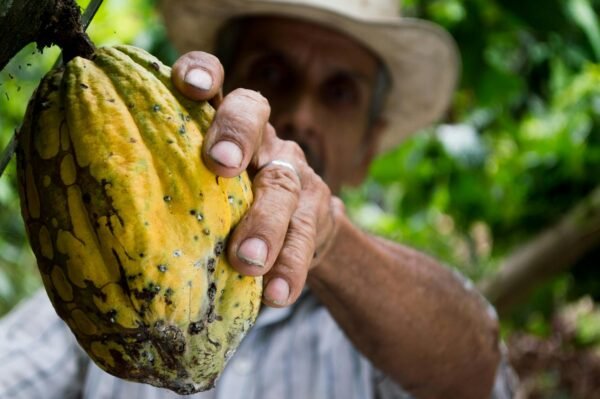
In the past, “ethical chocolate” was a nice bonus on the label. In 2025, ethical chocolate is expected as a minimum baseline. Most people want to satisfy their cravings for sweets in the most sustainable way. Many are actively seeking sweets produced without any form of exploitation or harm on communities or the environment. They want to ensure that the ingredients are from known or traceable sources.
- Fair Labor Standards
Fair labor standards go beyond simply avoiding child labor. The ethical claims made regarding chocolate 10 years ago focused mostly on avoiding the worst labor abuses in the supply chain. The lens on ethical chocolate for 2025 has a much broader focus and, in this instance, includes:
- Providing safe working conditions on the farms
- Offering transparent hiring and wage practices
- Protecting women farmers, who represent a large number of the workers in the cacao industry
- Establishing co-op support programs to increase farmers’ bargaining power
Simply stating that a company does not use exploitative labor is no longer sufficient for a consumer. Consumers now want verification that the farming communities have benefited.
- Minimum Wages Are Not as Important as Living Income Benchmarks
The conversation has shifted from minimum wages to living income. Many cacao farmers are still not able to meet their basic needs, even if they are paid “fairly” under the traditional definition of the term.
In 2025, ethical chocolates mean farmers are being paid a living income. This is established by assessing whether or not their wages cover the basic needs of their families (food, housing, healthcare), provide for the opportunity to make long-term plans for their family, and allow them to invest in their farms instead of relying on unstable commodity prices.
In recent years, some companies have started to publicly state their living income benchmarks and how closely their payments align with those benchmarks. The availability of this information is becoming an important measure of the integrity of these companies.
- Traceable Cacao is No Longer Optional
Today, traceability of cacao/cocoa is also an important component of the ethical sourcing movement. Ethical sourcing is focused on being aware of where cacao/cocoa comes from, who was growing it, and how it was transported through the supply chain. Traceability is now supported by several different types of tools, including:
- Digital tracking of cacao/cocoa from the farm to the factory
- GPS mapping of cacao/cocoa farms
- Delivery records verified by cooperative organizations
When cacao/cocoa supply chains are traceable, it becomes much more difficult to conceal abusive labor practices or environmentally harmful practices. Reputable ethical brands make this information readily available to consumers through their product packaging or product web pages.
- The Concept of No Deforestation is Now the Norm
Historically, Cacao has been a significant source of deforestation in West Africa, Southeast Asia, and parts of Latin America. In 2025, the goal of ethical brands is to reach a point where:
- Cacao will not be produced from protected forest areas
- Farmers will receive assistance to improve yield without the need to clear additional land for planting
- Reforestation and agro forestry initiatives are integral to the long-term plans of companies
With the introduction of EU regulations and increased global interest, “no-deforestation cocoa” has become a standard requirement instead of merely a bonus promise.
Endnote
In 2025, ethical chocolate is about more than just avoiding harm. It represents an opportunity for consumers to support a transparent and equitable chocolate industry by purchasing products from companies that disclose their sourcing, ensure farmers receive a living wage, protect their forests, and support their claims with credible evidence. Consumers of ethical chocolate are not only enjoying a treat but also contributing towards a supply chain rooted in the value of people, the land, and the sustainability of communities.
