

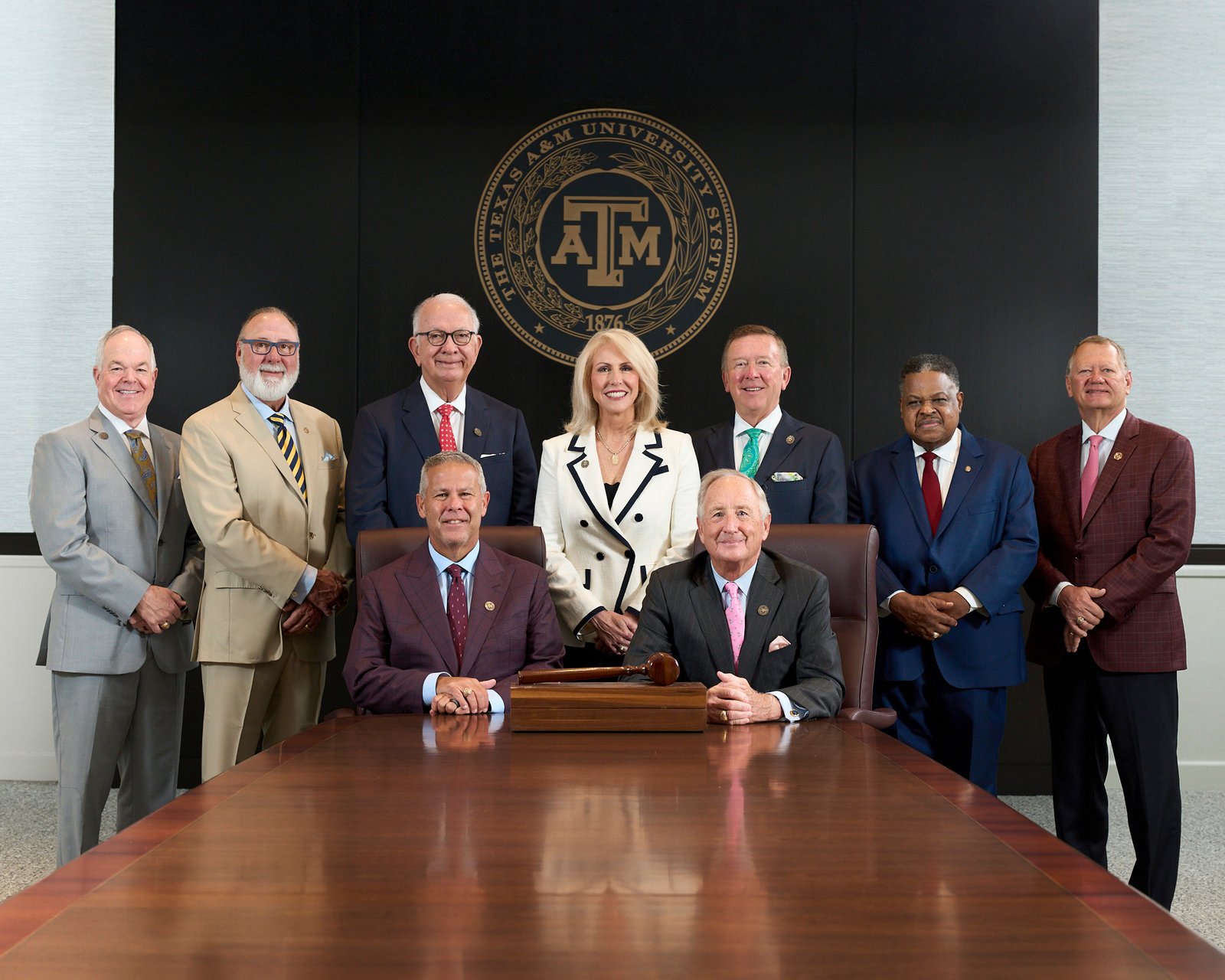
November saw the Texas A&M system Regents coming up with policies to ban discussing race and gender topics in the classroom and in class materials. Since then, there have been slight changes and a few incidents.
First things first is the policy, which was originally worded as a ban against teaching race and gender topics. This was then updated to put more restrictions on core courses and the classes required for these students to graduate.
Regents have been praising that this policy would get rid of advocacy in education, while professors are worried it would censor teaching race and gender entirely. The policy reads, “No system academic course will advocate race or gender ideology, or topics related to sexual orientation or gender ideology.”
Regents have not explained what they mean by “necessary educational purpose,” but they have clarified “advocacy.” According to Texas A&M San-Antonio and Tarleton State University faculty, they were told that advocacy means requiring students to hold certain beliefs and/or ridiculing certain beliefs.
An advocacy group for First Amendment protections, The Foundation for Individual Rights and Expression (FIRE), warned the system Regents and faculty that the policy could be abused to violate the First Amendment.
A month and a half after the policy went into effect, a Philosophy professor wasn’t allowed to teach some of Plato’s readings about gender and love due to the policy. The philosophy chair told the professor those readings had to be removed from his course entirely.
In September, a children’s lit professor was fired for teaching gender identity. This led to the resignation of the president and the Regents auditing the courses.
Jessica Appleby, an attorney for FIRE, says, “That was the first shoe to drop. Since then, the way it has been applied across the college of Arts and Sciences is, frankly, quite troubling. People will look at this rule and say, “Oh, it says advocating, so faculty can’t advocate (for) these in the classroom. That is not at all how it has been applied. I find it hard to come up with words to describe what seems to be happening at Texas A&M because we’re talking about students who are adults, a policy that restricts literature, restricts ideas, that students come to university to explore.”
Photo courtesy of social media
