
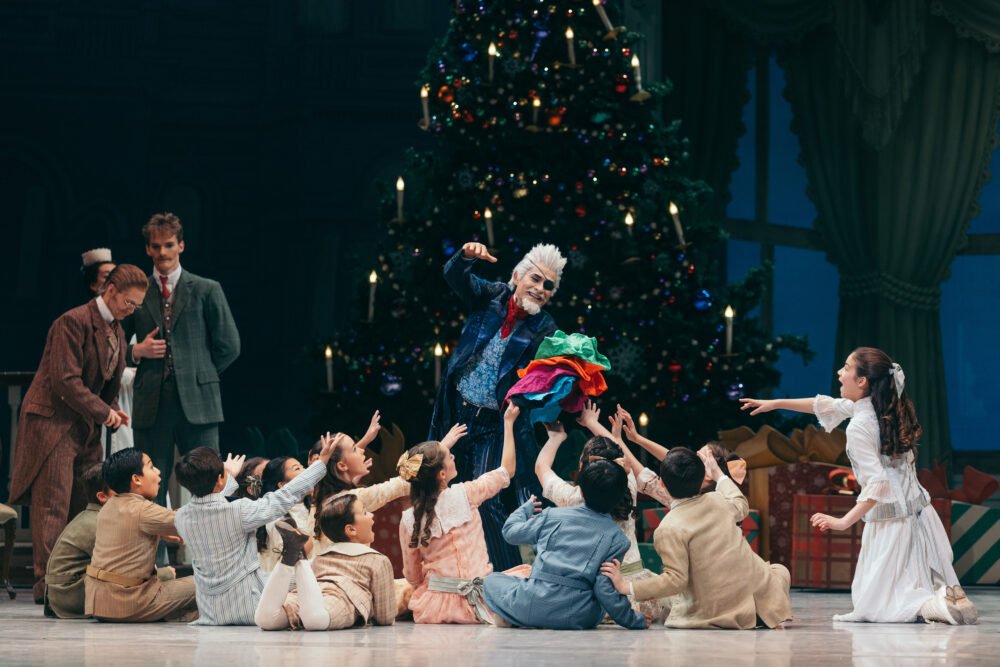
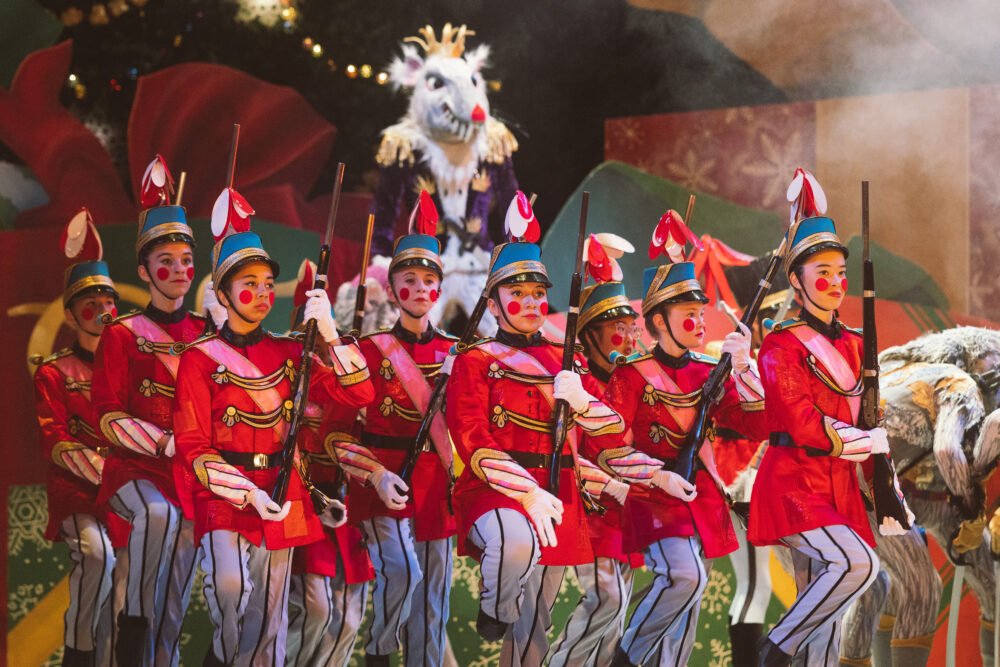
The first time I ever saw a drag queen, it was at a performance of The Nutcracker. And I am serious. I was a little kid, and it was my first time ever performing in The Nutcracker. I was about 6 years old. At that time you had to be 6 to dance the tiniest roles. I was a Bon Bon clown who gets escorted onstage by Mother Ginger. And Mother Ginger is basically a drag queen. Usually one of the company dads dressed as this gigantic, grand, red-haired ringmaster with a circus tent skirt. And when I say circus tent, I mean literally because there are 6 to 15 kids under there waiting to pop out.
I remember the first time I ever saw an adult man in full wig and makeup. It was funny and theatrical and big in every way because it was tied to comedy and character and dance. It imprinted on me. It taught me that ballet can be playful, dramatic, strange, campy, larger than life, all while being unbelievably technical and serious.
So this weekend, The Nutcracker at San Francisco Ballet premiered, and I was lucky enough to attend opening night and the first matinee the next afternoon. Of all the time I have spent at the War Memorial Opera House, this was the first time I intentionally flipped around and saw the same ballet twice in a row. I wanted to see the variety of casting and what it revealed about who is rising, who is settling into their power, and who is stepping forward for the first time.
The energy inside the opera house on opening night was palpable. The house was buzzing before the lights even dimmed. Velvet seats, chandeliers sparkling above, the sound of the orchestra tuning underneath the conversations and coats being unbuttoned. I brought a friend who had never seen the San Francisco Ballet’s Nutcracker, which meant I got to experience the first act through her eyes. She was completely overwhelmed in the best way. She teared up twice. And honestly, I get it. The entire first act is breath after breath of beauty.
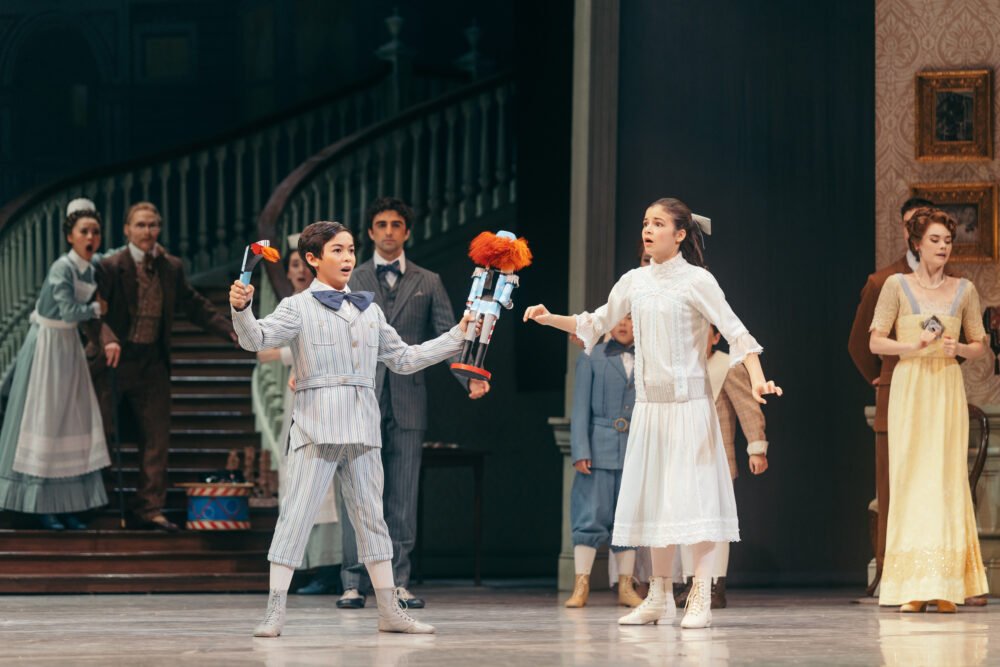
The moment the curtain rises, you are pulled straight into 1915 San Francisco. The Victorian homes, the warm painted glow of the set, the small details in every corner. It reminds you that ballet is theater. It is acting without words. It is storytelling through the arch of a back, through gestures, through the slightest tilt or flick or glance.
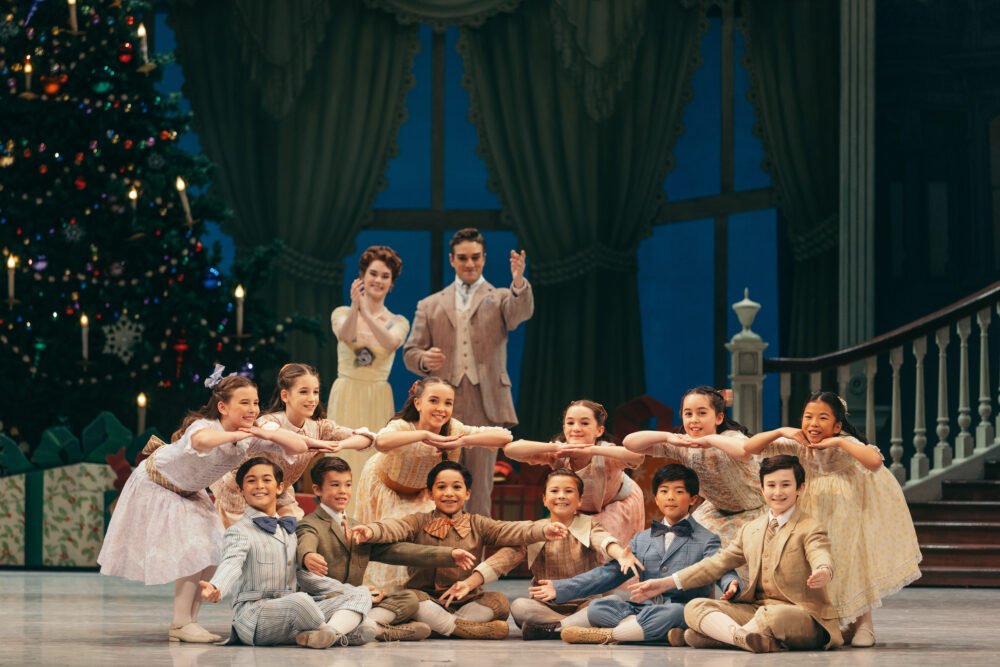
The party scene is one of the clearest examples of this theatrical world building. Everywhere you look, something is happening. Adults greeting each other, children weaving underfoot, dancers in character from the second the lights hit them. Nothing feels static. The entire stage breathes. Even the smallest movements have intention. The acting quality is remarkably high, from the veteran character artists to the children who are still discovering what stage presence means. You can tell this company values detail. Nothing about this scene feels tossed off.
One thing I love about San Francisco Ballet’s Nutcracker is the way it celebrates the work of children. They are not decoration. They are not props. They are trained, rehearsed, disciplined dancers whose presence shapes the entire story. The production treats their roles with respect. You see the hours they put in. You see the nerves, the joy, the pride. It is one of the only ballets where young dancers are given real space to grow onstage in front of thousands, and you can feel how much it matters. Watching them makes the entire production feel alive.
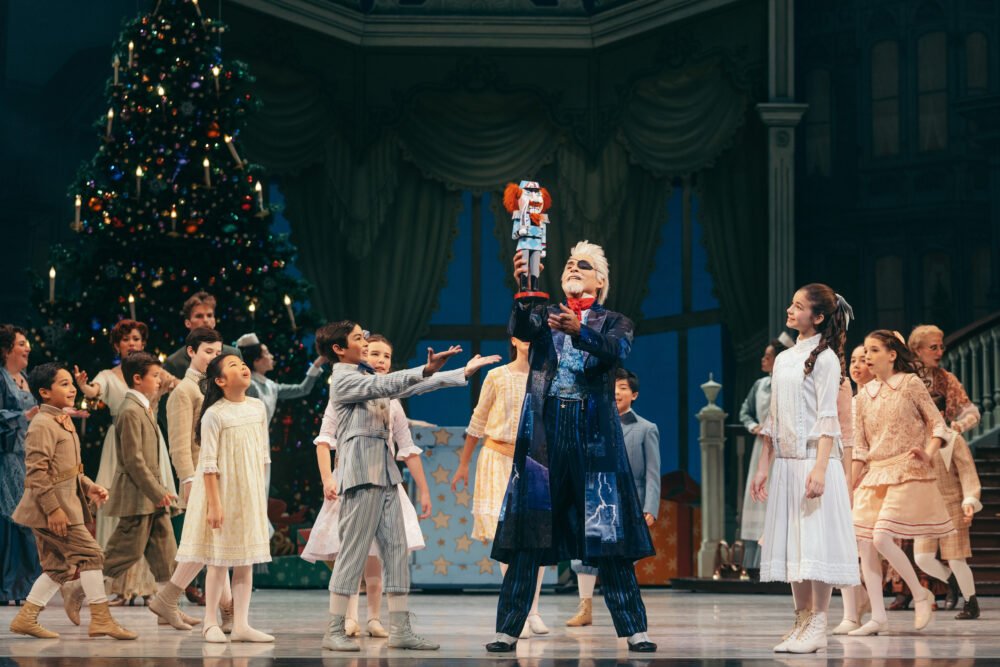
One of the great delights for me this year was seeing a young dancer named Cheng Cheng. Two years ago, she was a tiny Ladybug in Act II. Last year, she was part of the infantry in the rat battle. And this opening night, she stepped into one of the lead party child roles. She was beautiful. Watching the school kids develop year after year is one of the most satisfying parts of coming back to Nutcracker, because it reminds you of the same path you started on as a child under Mother Ginger’s (or as the SF Ballet calls her, Madame DuCirque) skirt. Cheng Cheng is memorable, charismatic, and full of personality. I cannot wait to see what role she will take on next season.
Ava Allaire danced Clara on opening night, and she was such a joy. She is the dancer featured in this season’s promotional materials, and now I see exactly why she was chosen. There was not a single moment, not even in stillness, where she was not acting through every inch of her body. You could see the story running through her fingertips, her posture, her reactions. Her Clara felt fully inhabited. There is a rare clarity in her movement that reads beautifully from the stage.
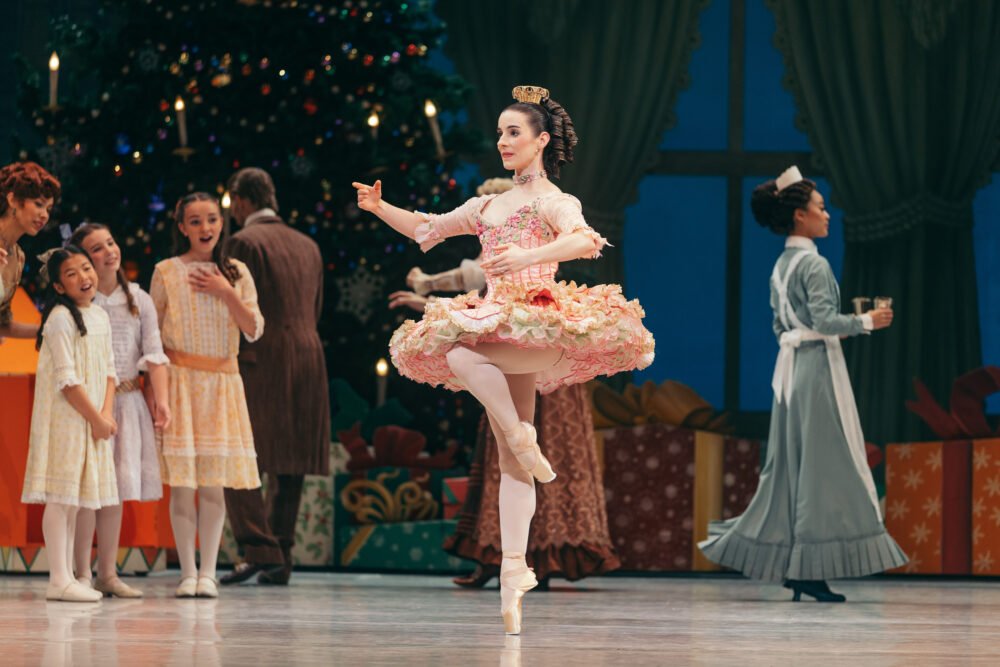
Julia Rowe was a perfectly precise Dancing Doll. And the Nutcracker Prince was danced by Wei Wang, who was unforgettable last season as The Creature in Frankenstein. Watching him transform from that role into the idealized dream version of the Prince is a reminder of his enormous range. His lines are clean, his presence open and sincere, and his control is remarkable considering the limitations of that oversized Nutcracker head he has to wear. He handled all of it with grace.
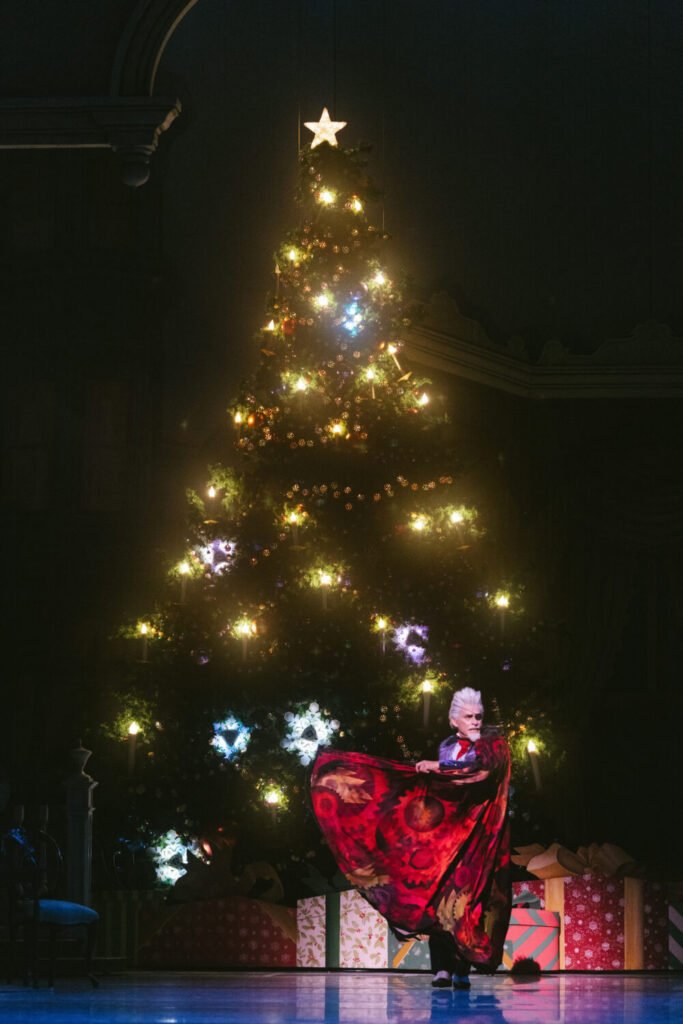
Intermission at the opera house is only 20 minutes long. The best restroom strategy is simple: Go straight downstairs and walk past the first and even second bank of stalls. There are hidden ones in the back that almost no one uses. And preorder your drinks online before the show starts. They will be waiting for you in the lobby at the counter. These little tricks buy back your entire break so you can breathe, take in the opera house, or stand by the giant Christmas tree for pictures the way people have done for generations.
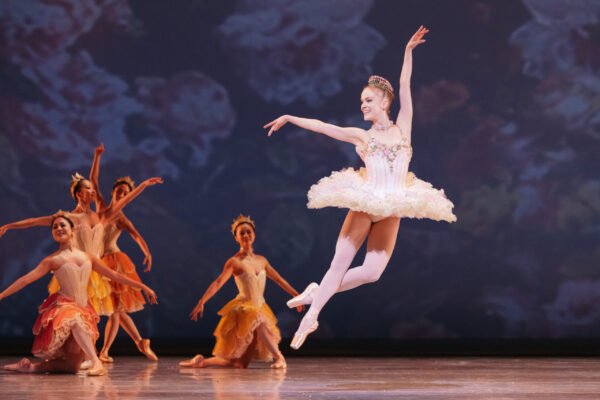
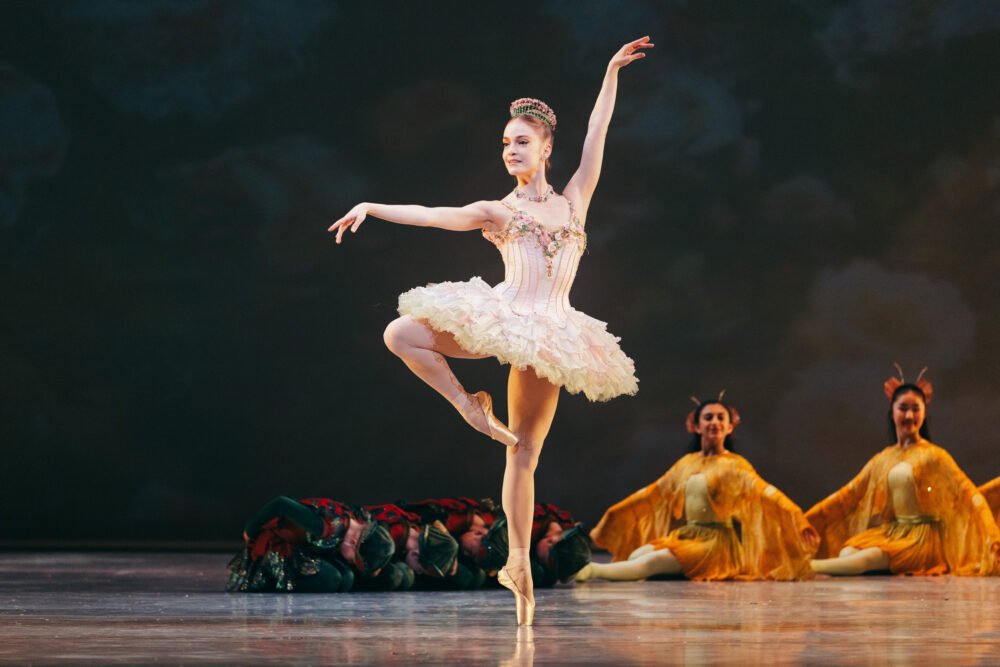
Act II on opening night began with Sasha De Sola making her season debut as the Sugar Plum Fairy. The energy in the room shifts the moment she steps onstage. She carries history, trust, and a kind of crystalline musicality that feels effortless. She has a softness in her upper body that never looks slack. She lands balances with an ease that almost defies physics. Watching her anchor Act II felt like returning to something treasured.
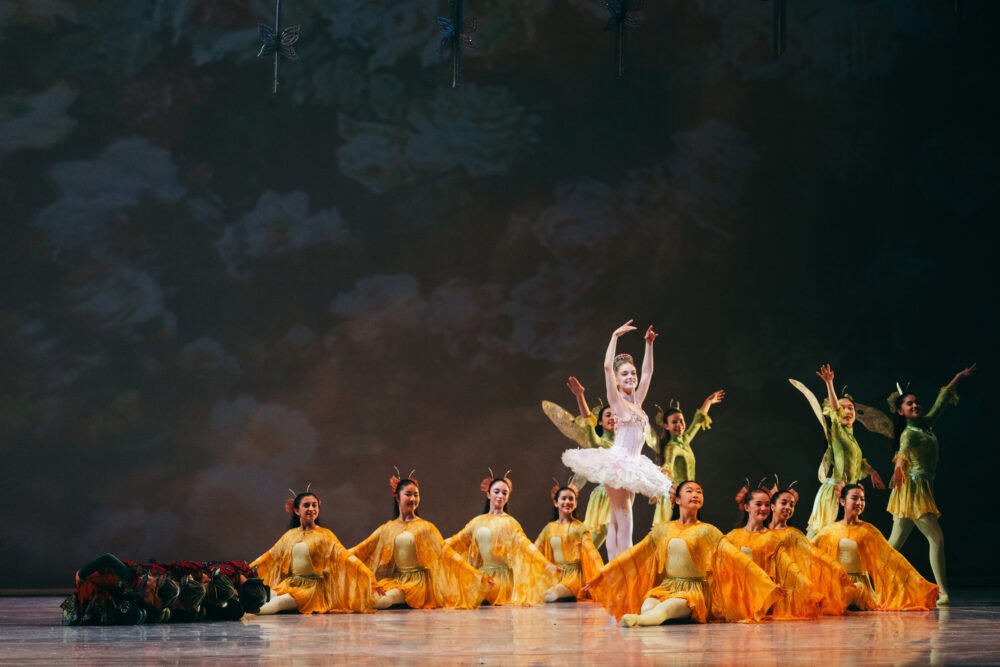
Even the teenage dragonflies of the SF Ballet School caught my eye as impressive. It was obvious why they had been selected for the role, as these four adolescent dancers all possessed elegance, discipline, and a natural poise that made it easy to imagine them as future Snowflakes and Flowers. This is where the cycle begins.
Soon after came Spanish Chocolate, and Isabella DeVivo lit up the stage. The mocha satin, the chocolate brown sequins, the bright red underskirt that flashes open as she turns. It is already one of the most beautiful costumes in the production, but Isabella brings it to life. Her brightness reaches all the way to the back of the house. Her lines are sharp. Her dancing is intentional and assured. She was not the only dancer in the variation, but she was absolutely its heartbeat. I noticed her last year and she has grown even more magnetic.
Part of why this landed so strongly is because I first saw her as Frida Kahlo in Broken Wings. That role demanded grounded weight and bold, low shapes. It had moments danced flat footed rather than lifted, and she carried all of it with honesty and force. It made her brightness in Spanish Chocolate feel like another facet of the same artist.
Broken Wings is also where I first noticed Soloist Jihyun Choi, but more on her later…
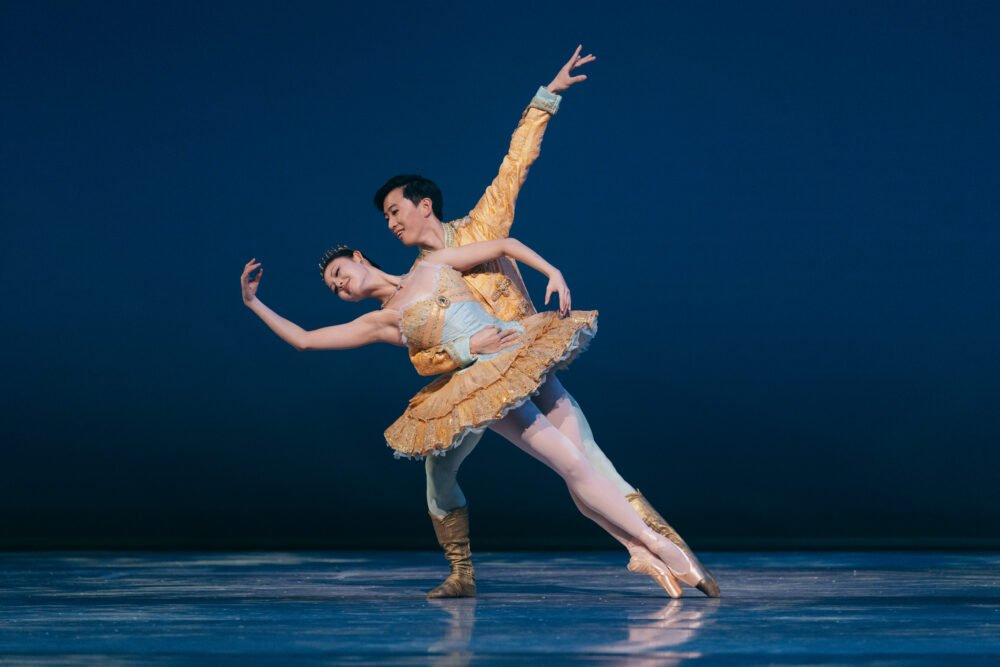
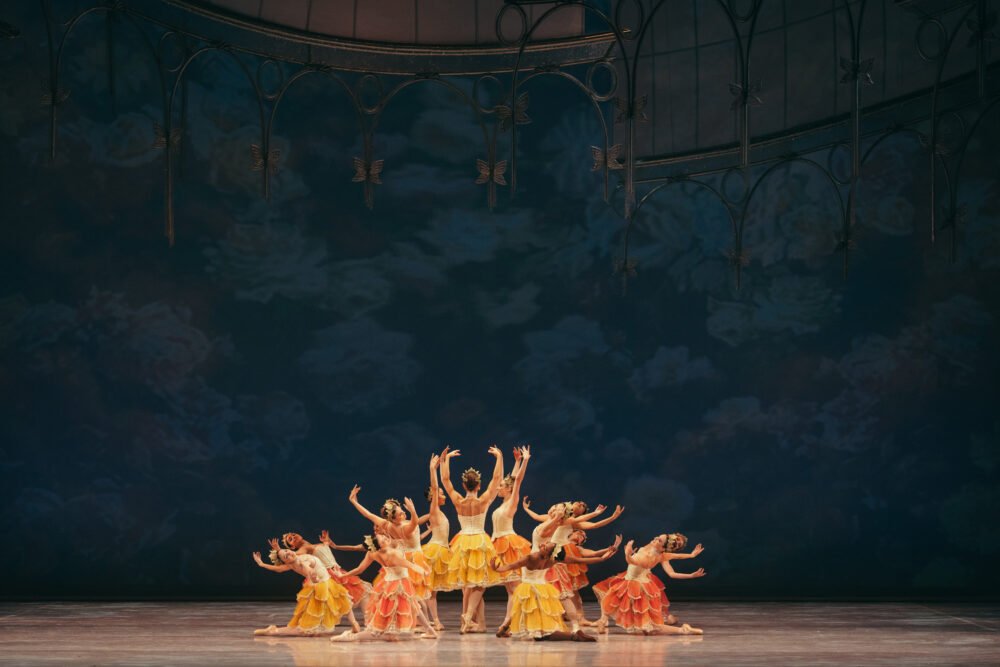
The Flowers were lush and full, and then came the Grand Pas de Deux to close the night. Principal Wona Park and Wei Wang were luminous together. The Grand Pas is unforgiving. The lifts are difficult. The balances are long and delicate. The lifts and transitions require absolute trust. They moved through all of it with calm strength. Their musicality blended perfectly. It was a powerful way to end the night, with one of my all time favorite pairs in the company leading the season’s inaugural performance to its breathless conclusion.
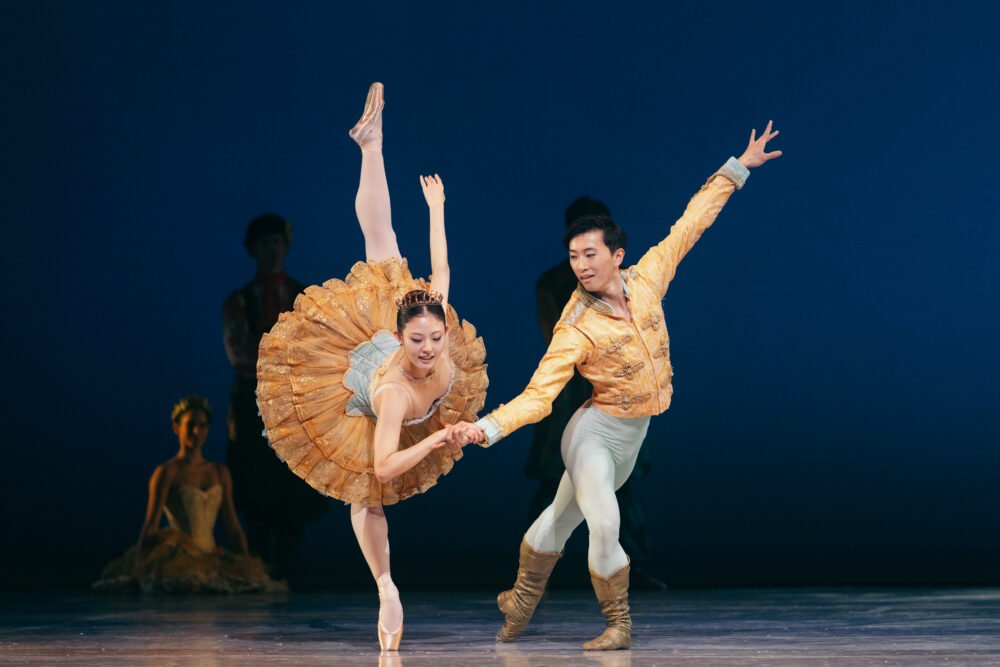
When I came back the next afternoon for the first matinee, it felt like watching a new ballet. A fresh cast reshapes the entire world of the production. The Clara for the matinee was Luka Ganaden, who handled the role with bright energy and surprising emotional depth. Her storytelling read clearly through her posture and reactions, even when she was not dancing.
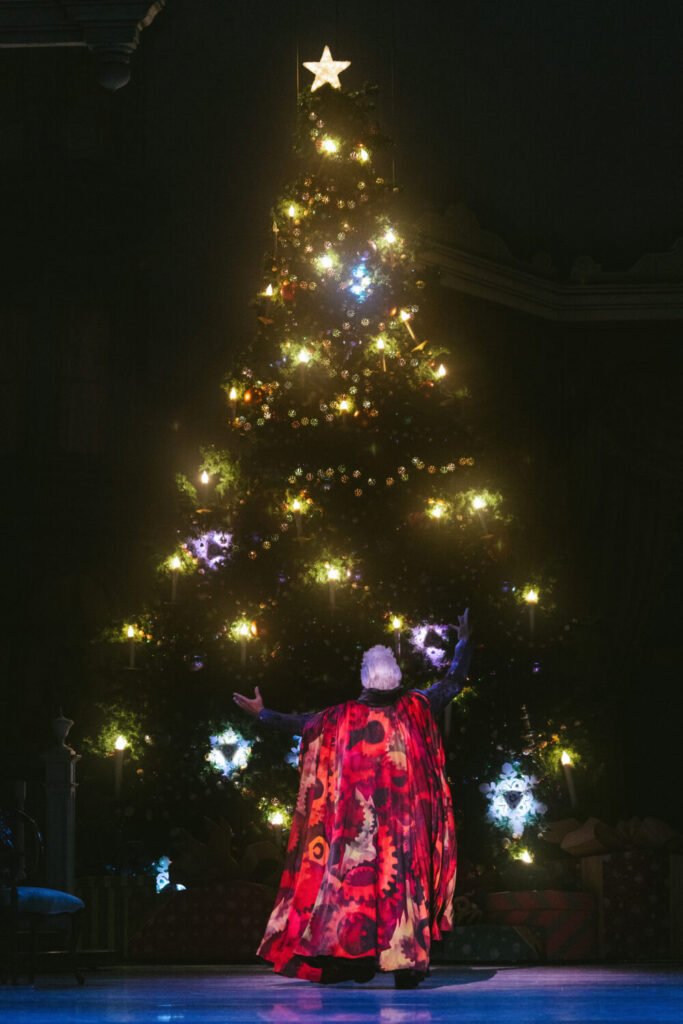
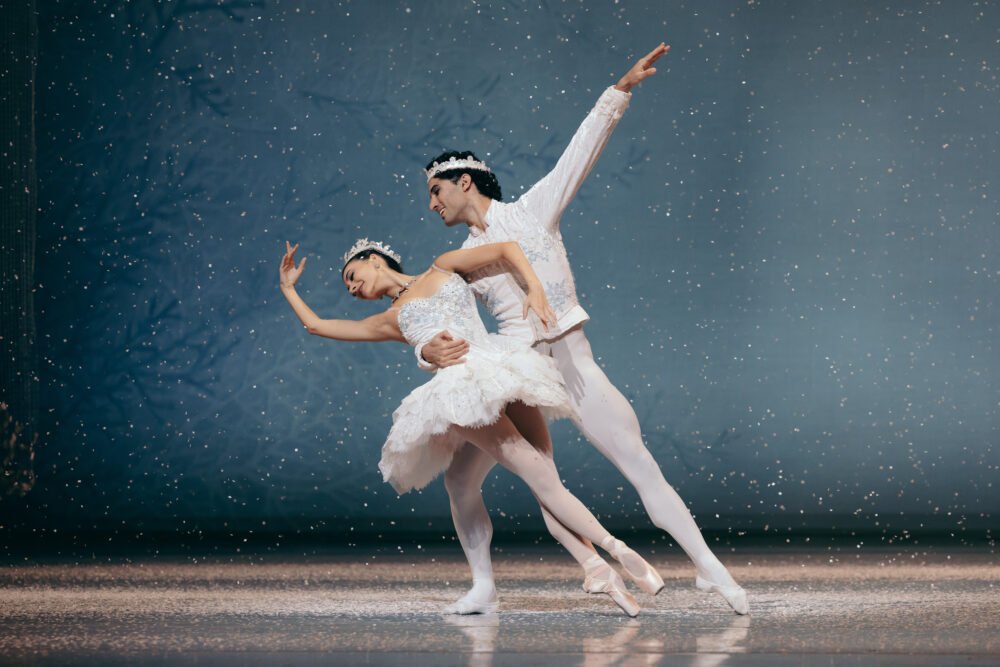
Snow was led by Isabella DeVivo, back again as the Snow Queen, and Joshua Jack Price as the Snow King. Snow has always been my favorite duet in the Nutcracker. It is beautiful and dangerous at once. The stage becomes a blizzard. The lighting is sharp. The choreography demands stamina and precision, but also softness and flow. Isabella and Joshua handled all of it with control and musicality. The scene glittered.
Then came the moment that took the entire afternoon to another level— Jihyun Choi as the Sugar Plum Fairy. I am still trying to understand how someone can be that perfectly cast. She has a long, linear, almost birdlike quality. Something delicate and strong at the same time. Her back folds with a soft, quiet articulation. Her chin lifts with intention. Her arms lengthen into the music as if she is painting the air. The choreography sits on her body in a way that feels fated.
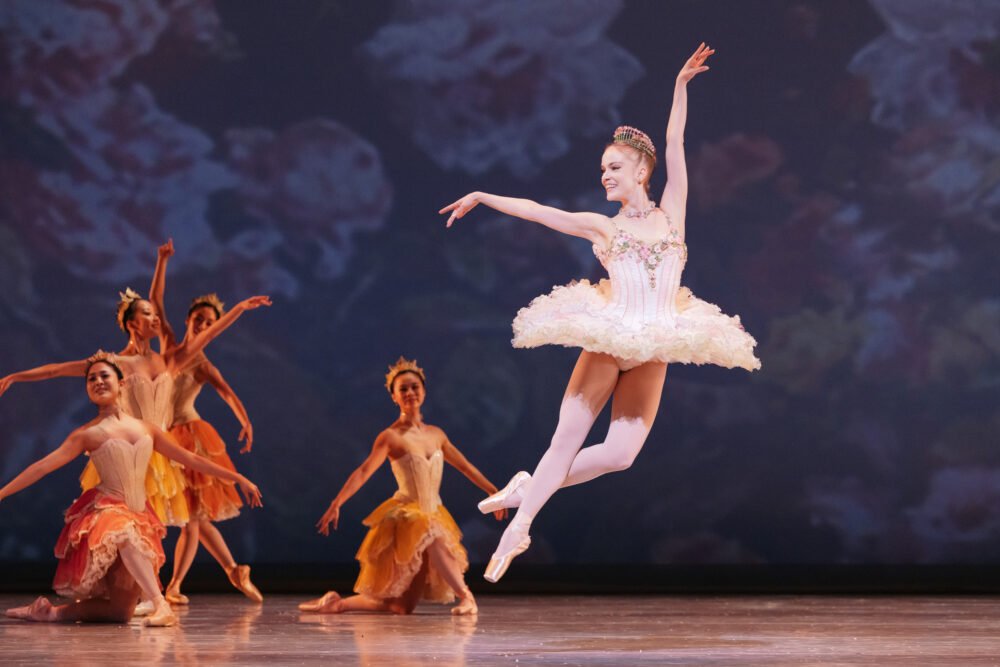
I was sitting close enough to see her nerves at first. Her legs trembled slightly with the weight of the role. Then halfway through, something shifted. She took a breath, lifted her head, smiled, and opened up completely. It was like watching someone step into their destiny in real time. Her musical phrasing deepened. Her extensions lengthened. Her entire presence expanded. This was the most remarkable Sugar Plum I have ever seen in person. It felt unreal, like seeing a star emerge in the middle of a Saturday matinee.
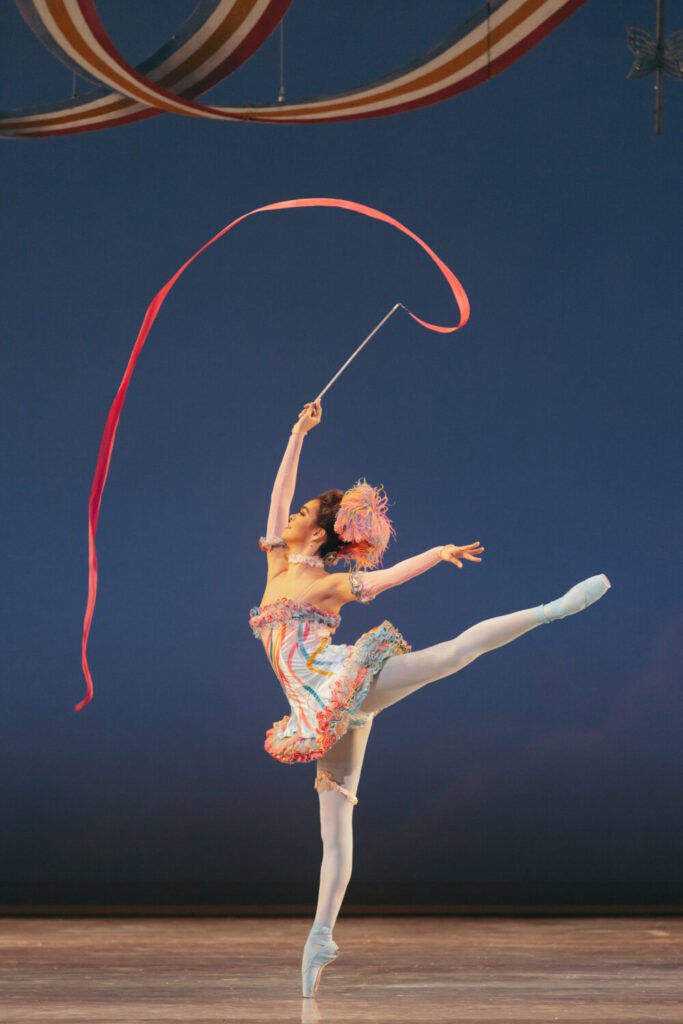
French followed, danced by Anatalia St. Clair, Tyla Steinbach, and Seojeong Yun. The dance of the Mirlitons is short, sharp, and deceptively hard. Each dancer holds a long ribbon wand that must stay lifted, angled, and timed in perfect unison. If one ribbon drops even an inch or swings off count, the entire pattern breaks. It is two minutes of pure precision. I held my breath the whole time. Their unison was tight, their timing exact, and their control on every pass was remarkable. It was one of the cleanest French trios I have ever seen. Brava, ladies.
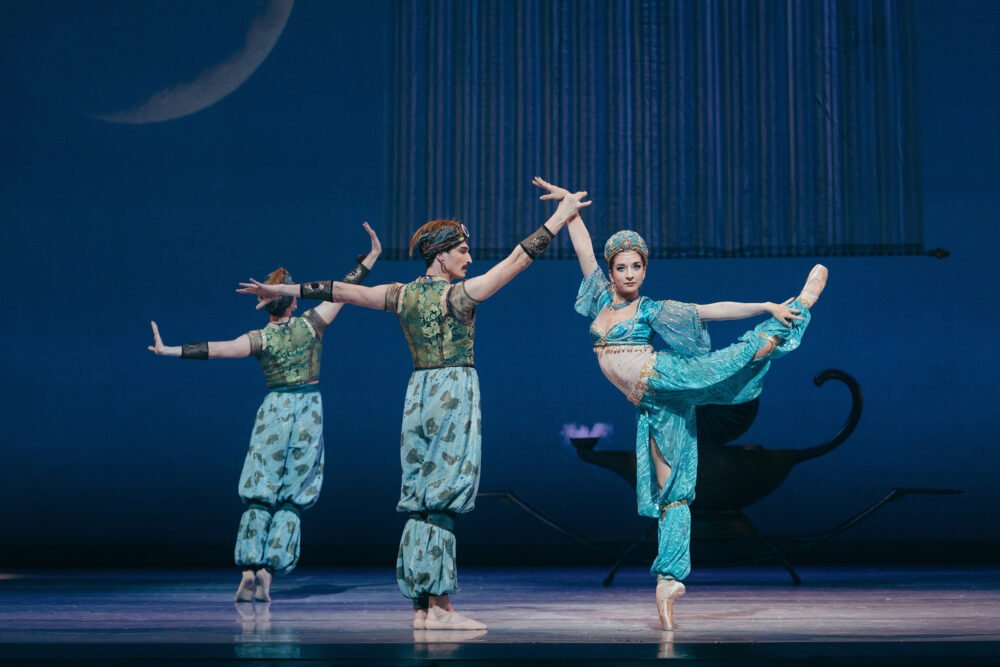
Pemberley Ann Olson danced Arabian Coffee in the matinee and changed the atmosphere of the entire act. Her lines were rich and grounded. Her acting had mystery. Her control was hypnotic. Arabian requires a slow, controlled burn, and she understood exactly how to sustain it. She had danced French the night before and was lovely there, but Arabian revealed something deeper and unmistakable. It felt like a role that had always been meant for her. The entire audience held its breath. No one could look away. Seeing her in this variation shifted how I think about her. She no longer reads as a corps or character dancer filling a part. She looks like someone ready for a new level of visibility directly under Rojo’s eye.
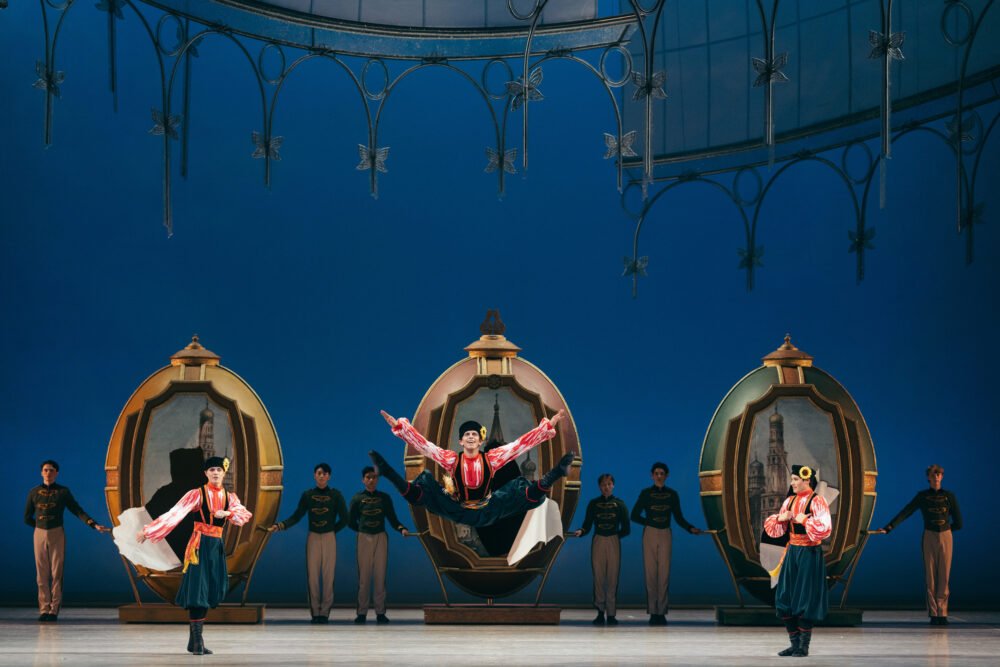
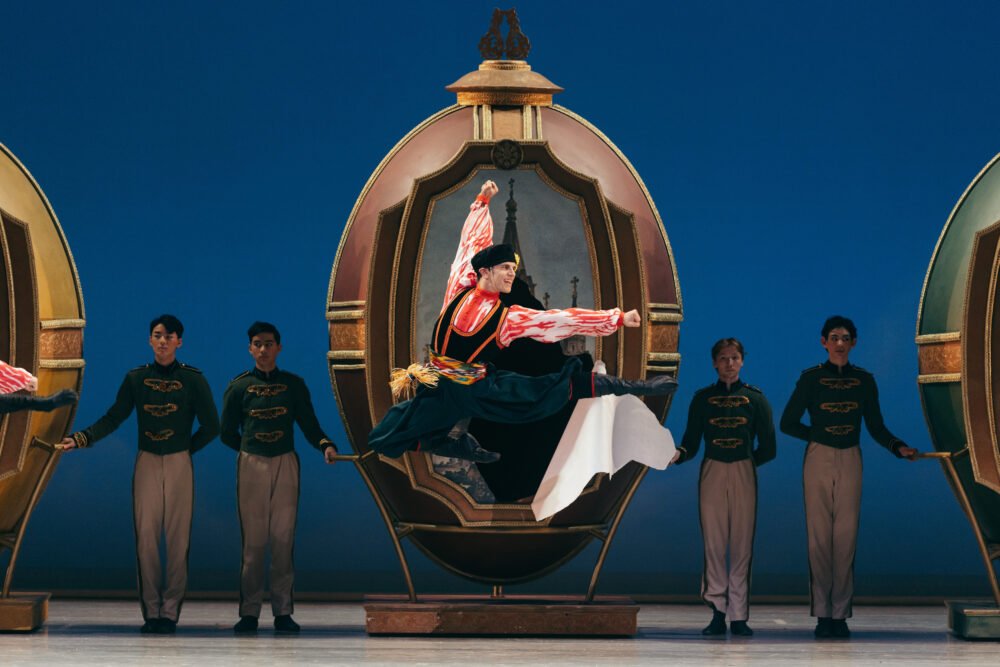
Russia was a burst of energy with João Percilio da Silva, Jasper True Stanford, and Benjamin Taber. In this variation, the dancers explode out of giant painted Fabergé eggs, a staging choice that always gets a laugh and a cheer, but the real impact comes from the choreography that follows. It is one of the most athletic parts of the entire act. Fast turns, deep squats, sharp accents, and jumps that seem to defy gravity. The three of them hit it at full throttle. Their timing stayed tight, their landings were clean, and their stamina never dipped. João in particular tore across the stage with a heat and elevation that pulled the eye instantly.
Waltz of the Flowers was led by Jihyun Choi, and one of the dancers who immediately pulled my eye was Jacey Gailliard.
I first noticed her last season in the corps because she stood out even when she was placed deep in the formation. I have followed her since. She has a glorious smile, the most beautiful back line I have ever seen, and extensions that seem to bloom out of her body with both precision and ease. Her technique is exact, but nothing about her dancing feels tight. It feels expansive, generous, open.
Earlier in the afternoon she had already made an impression as a Snowflake, which is not easy. Snow is chaos in the best sense, a white blizzard of tulle and movement where it is almost impossible for one dancer to stand out. Yet she did, and not by force. She has a magnetism that draws the eye naturally.
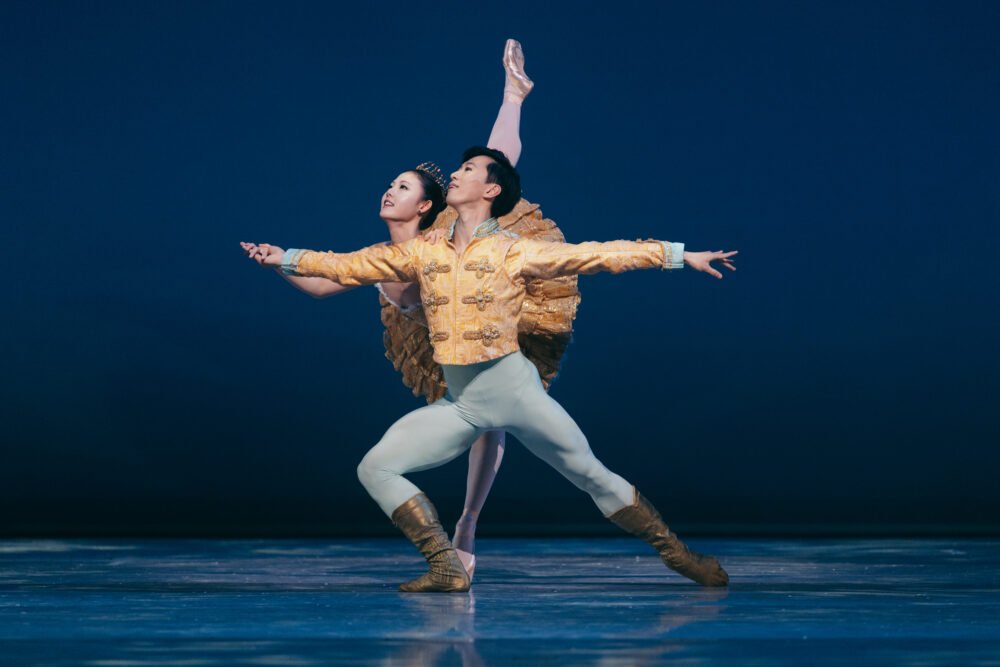
She dances many roles in this year’s Nutcracker, but I am thrilled she will be the Sugar Plum Fairy on December 16. Everything about her presence suggests she is ready for that moment. It feels like another impeccable piece of casting. She is absolutely one to watch.
The matinee closed with a radiant Grand Pas from Nikisha Fogo. If Sasha feels like the Taylor Swift of the company, Nikisha is the Beyoncé. Grounded confidence. Deep awareness of who she is as an artist. She is about to be married, and there is a softness and centeredness in her dancing that feels very moving. It felt like the opening of a new chapter for her, and the gentle closing of another.
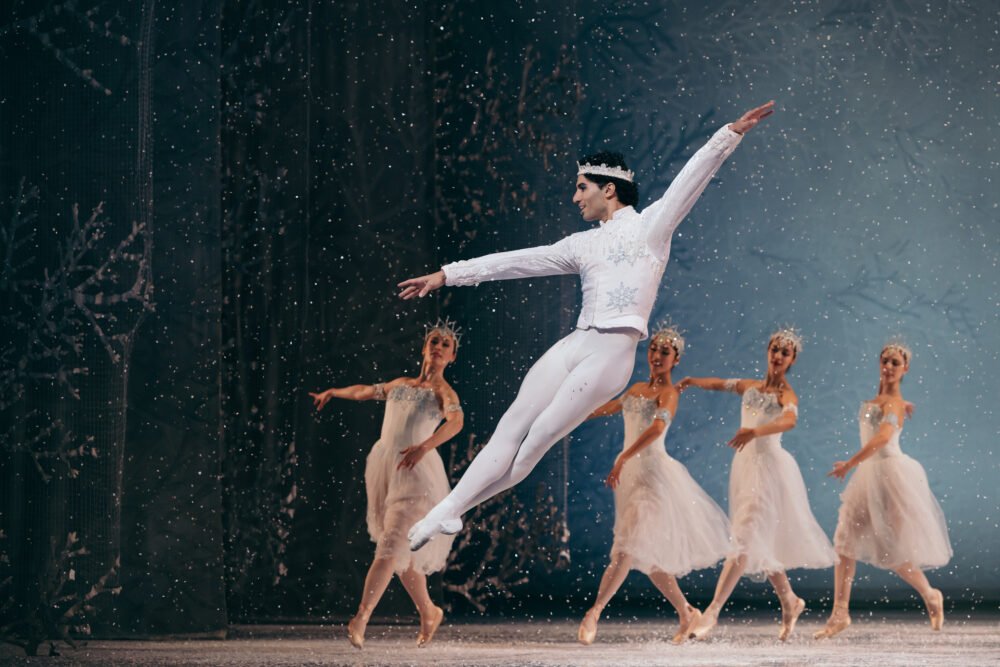
What struck me after seeing Nutcracker twice in 24 hours was how much this ballet mirrors time itself. The tiniest dancers begin as Ladybugs. They grow into party children. The party children become Fireflies. The Fireflies become Snowflakes. And the Snowflakes become Sugar Plums. It is a quiet evolution, and if you watch long enough, you can see every part of it happening in front of you. The children who peek out from the wings become the dancers who carry entire scenes. The young members of the corps become the artists who define the season. The company renews itself every year. It is a living cycle.
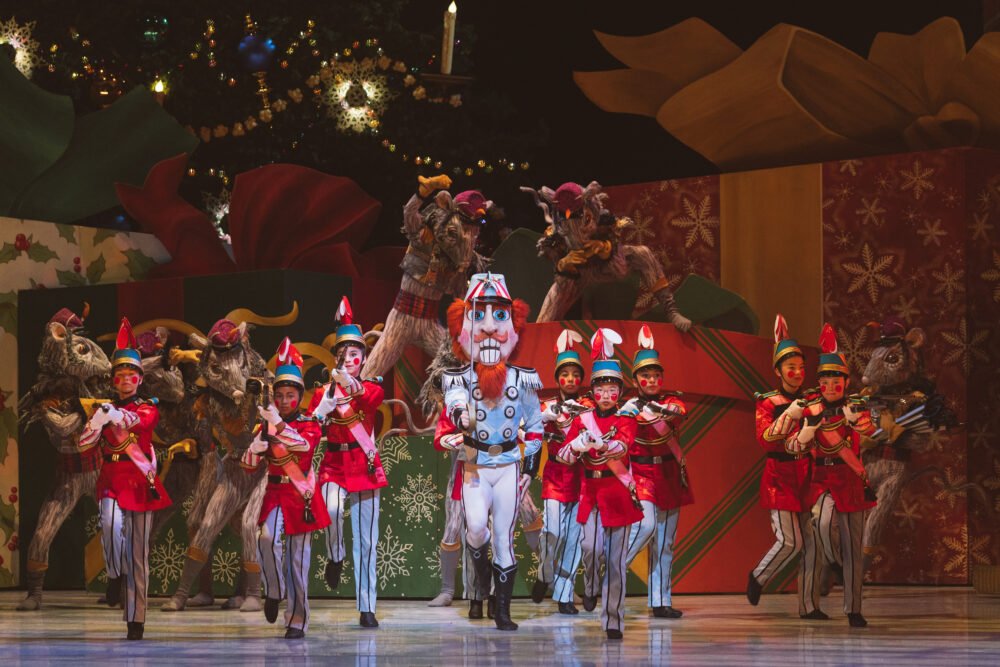
If you want to be part of it, now is the time. San Francisco Ballet’s Nutcracker runs through December 29. Tickets sell quickly, especially for weekends. Pick your date based on the casting, buy your tickets online, and get there early enough to settle in. The house has a particular glow right before the orchestra tunes. Let yourself have that moment. The Opera House is part of the magic, especially when the audience is filling in around you.
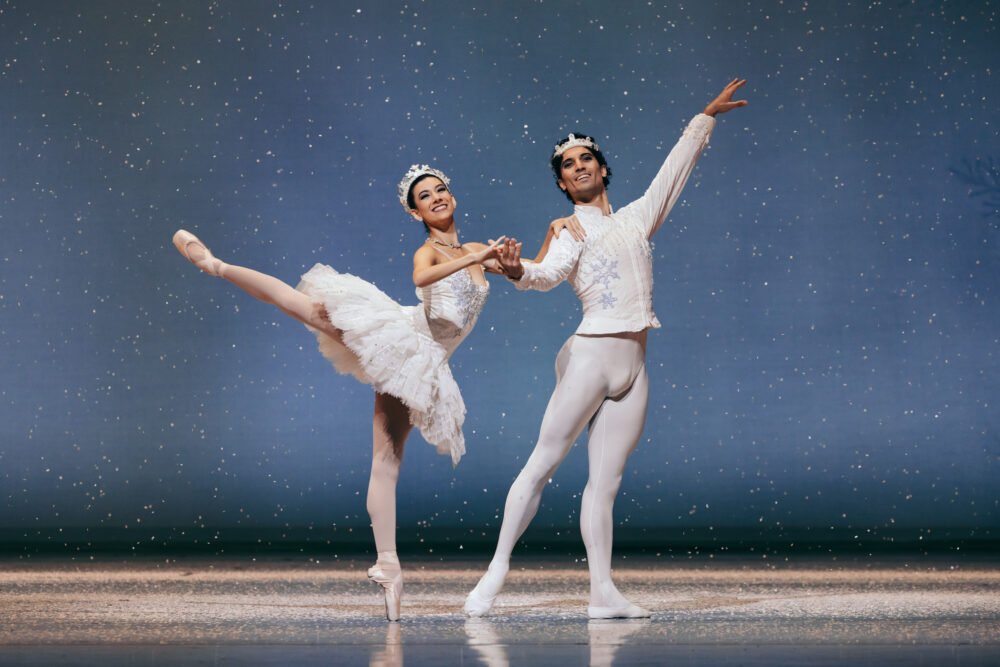
This Nutcracker felt like a promise. A promise of where the company is headed and what the next generation of dancers will bring. A promise that tradition can grow and change without losing its heart. I left the opera house twice in one weekend with the same feeling. Awe, gratitude, excitement for everything still to come. If you already love ballet, this production will remind you why. If you are new to it, this is a beautiful place to begin.