

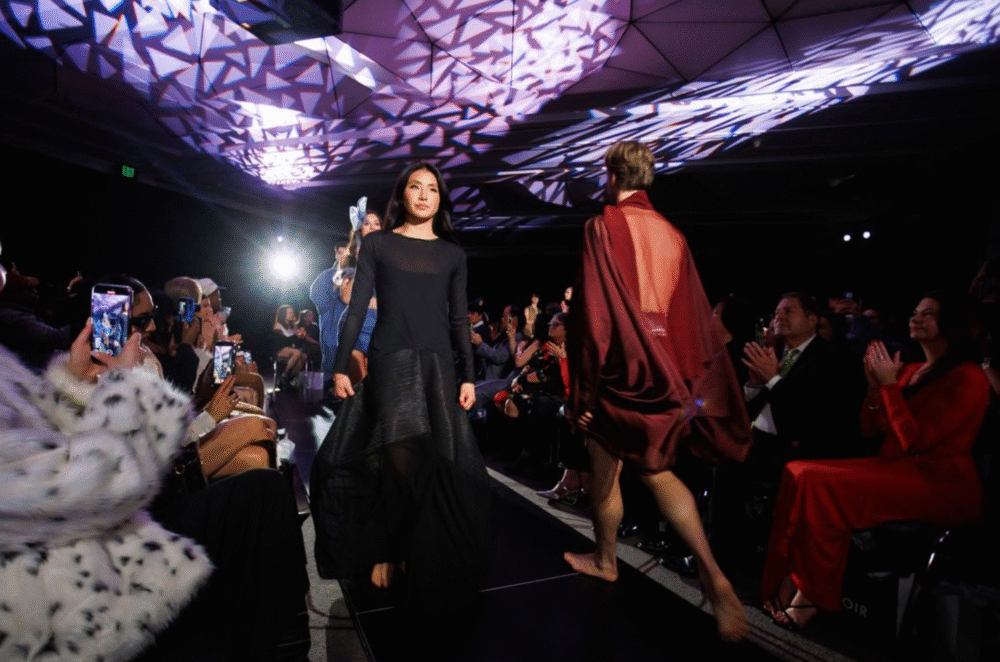
Alysia Chang Design[/caption]
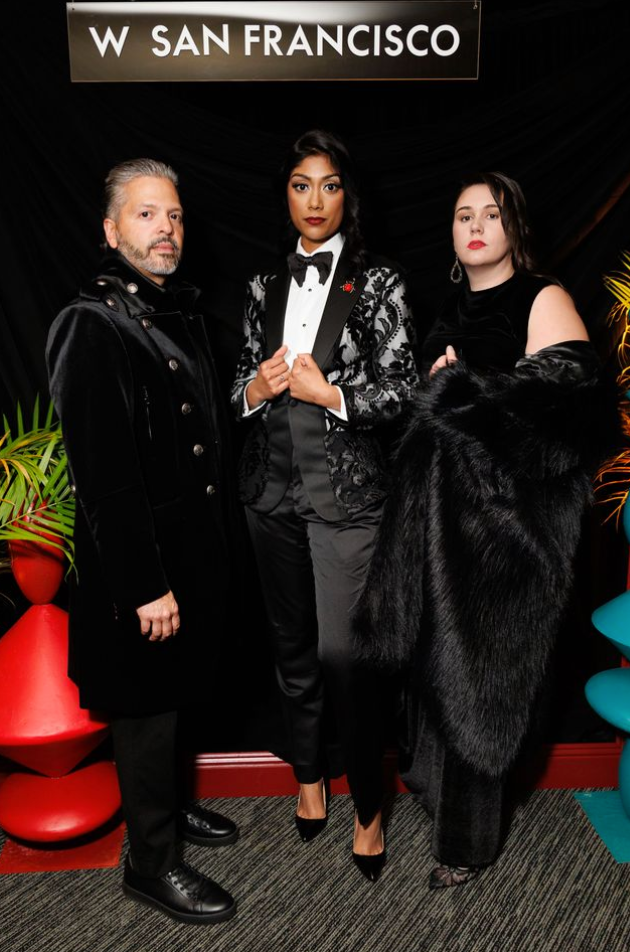
Tuxedo Den[/caption]
Just before the holidays, the curtain lifted high above SoMa, in a suite at W San Francisco that had been cleverly converted into a holiday speakeasy. For the first time in a long time, I left a runway show in this town feeling something I haven’t felt since my early-2000s fashion-week-intern era: genuine hope.
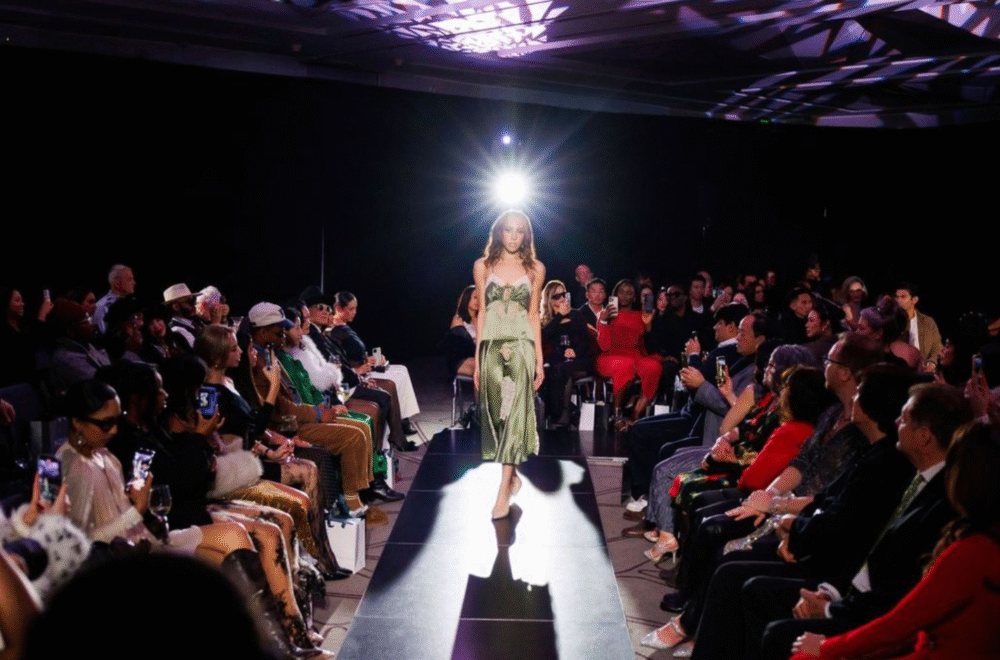
Pauper Co by Renée Messinger[/caption]
W San Francisco’s annual Holiday Fashion Show returned this year reimagined as NOIR, a cinematic, movement-driven holiday fashion experience produced by Defined by Johanna Dy, directed by Eddie Cotillon, and styled in collaboration with Luxe by Julianna. What NOIR captured was a post-pandemic San Francisco less interested in hype and more interested in taste.
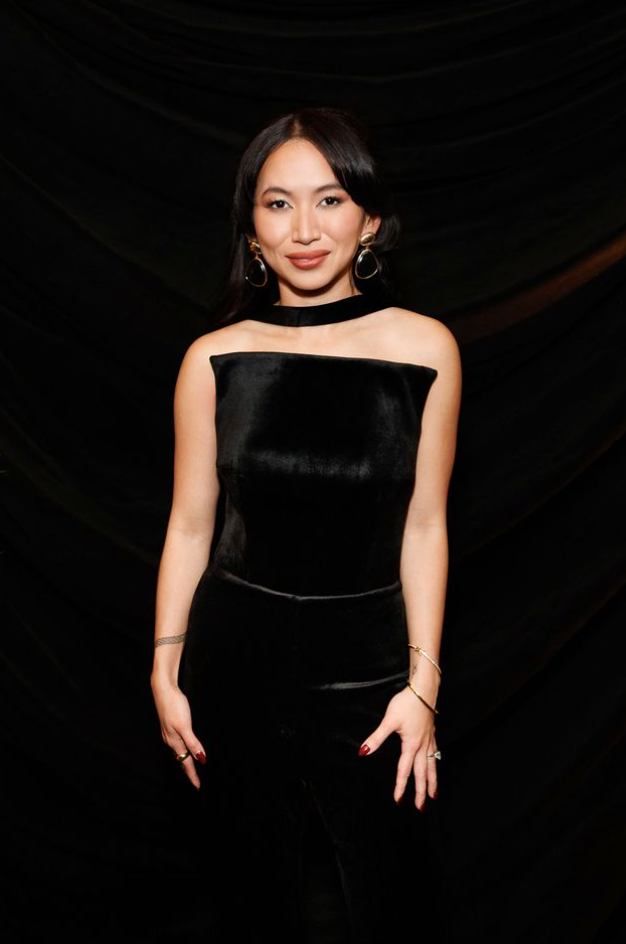
Johanna Dy
The night began the way a good San Francisco evening should, with a little effort, a little elevation, and an unreasonably good view.
VIP guests were ushered into W’s Silent Night Speakeasy, a hotel suite transformed into a velvet-toned lounge with floor-to-ceiling windows framing downtown like a movie set. In a city saturated with themed pop-ups, this one worked because it didn’t try too hard. It simply used what the hotel already had: architecture, height, mood. Add cocktails, champagne, and a hum of anticipation, and the whole thing felt less like an activation and more like a fabulous friend’s penthouse holiday party.
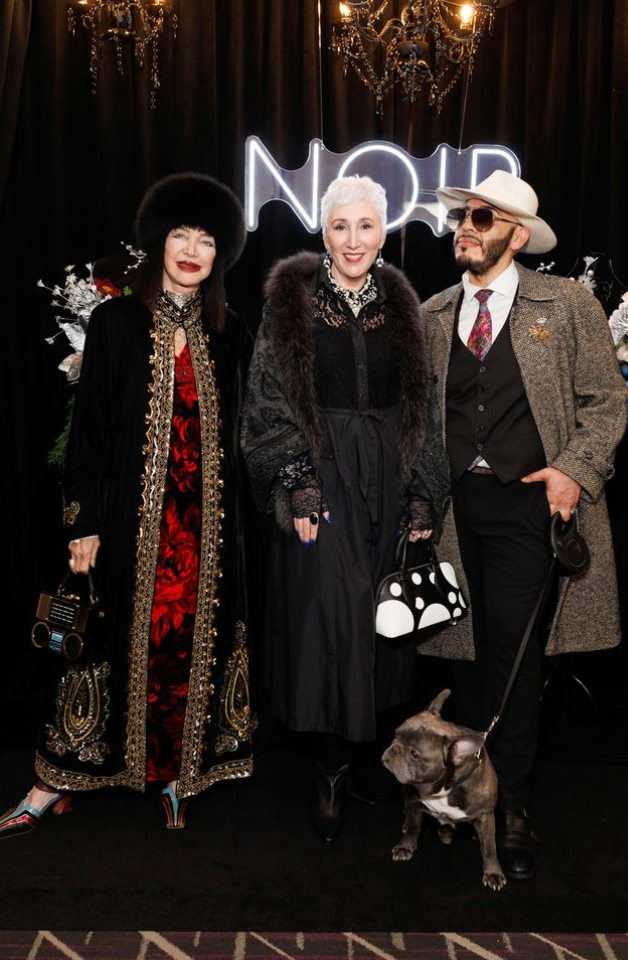
What stood out immediately was the crowd. It was clearly curated. Stylish first-generation Asian and Latino guests filled the room, alongside designers, creatives, and a strong queer presence woven naturally throughout. Everyone understood the assignment. Holiday glam without costume. Chic without stiffness. There were no bridesmaid-type ensembles, no prom dresses, no business-conference confusion. When the room looks right, the runway does not have to fight for attention.
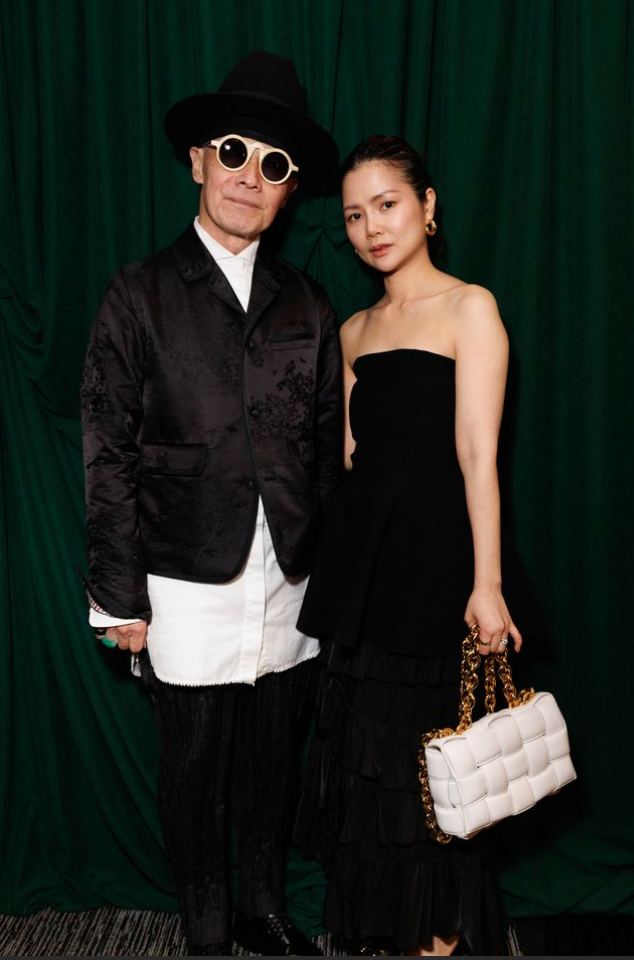
That was the first quiet flex of NOIR. Basic operations were handled. Lines did not become the event. The night did not resemble a wedding. It looked like fashion.
Downstairs, the ballroom was staged with a runway that wove through the seating in a swirling, zigzag formation, allowing most guests a clear, intimate view of the clothes. Many seats felt close enough to notice stitching and fabric movement. Gift bags waited at each chair, thoughtfully curated and generous, reinforcing the sense that this was a fully considered production.
The room read high-end without excess. The lighting, ceiling décor, and layout were polished and restrained. It was immediately clear this would be a real show.
The NOIR palette anchored the evening. Midnight black, deep burgundy, molten silver, and candle-gold accents created cohesion without flattening the designers’ voices. The styling struck a careful balance, elevated but never overwrought, letting the clothes do the talking.
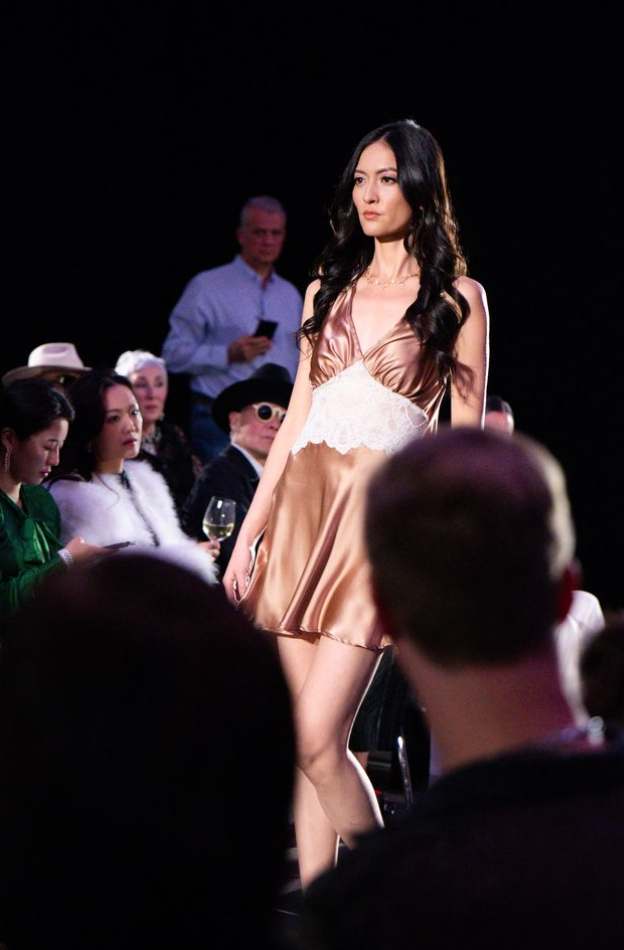
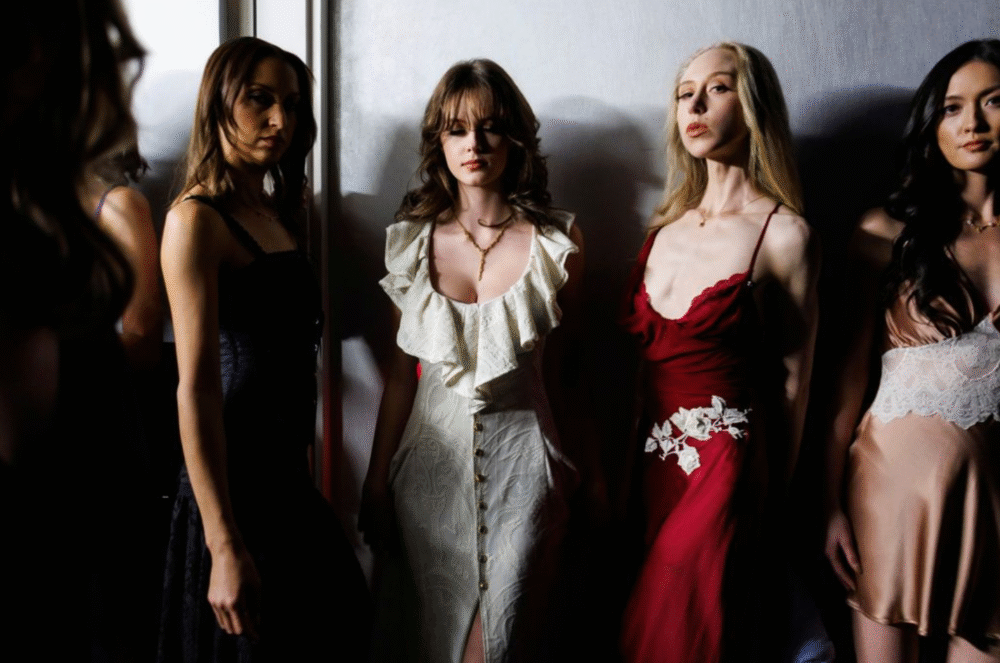
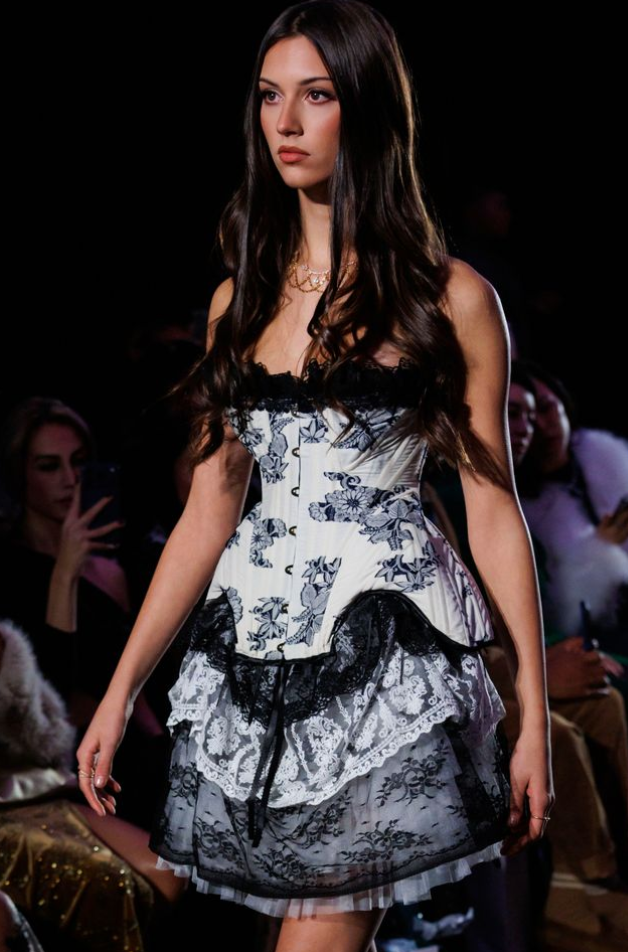
Pauper Co by Renée Messinger opened the show with evening wear inspired by vintage lingerie and Victorian-era construction. Silk, satin, and lace were cut with confidence rather than fragility. The silhouettes nodded to the 1920s through 1940s, recalling early-2000s La Perla and the sensual polish of Tom Ford-era Gucci, but with a softer, more feminine restraint.
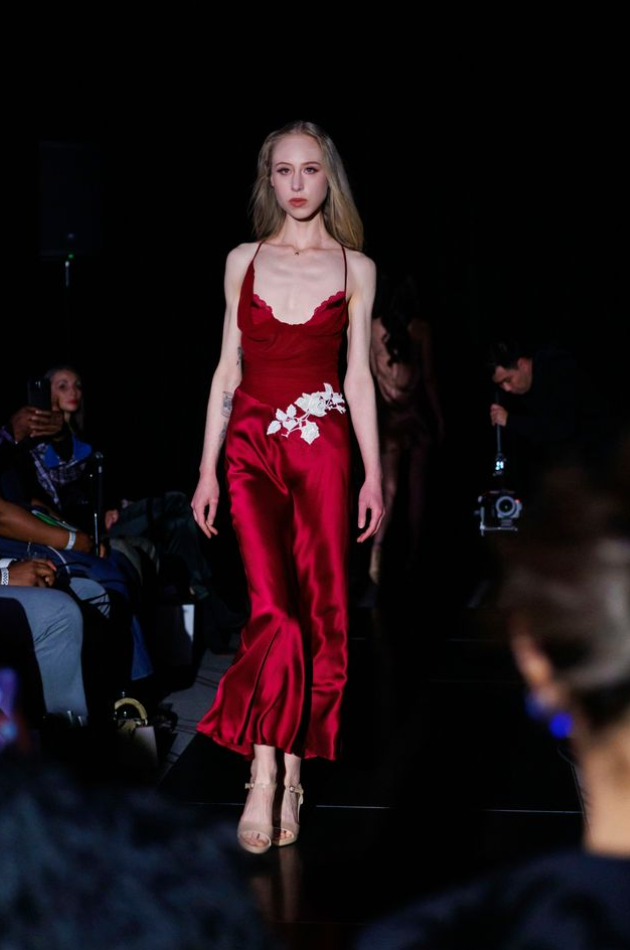
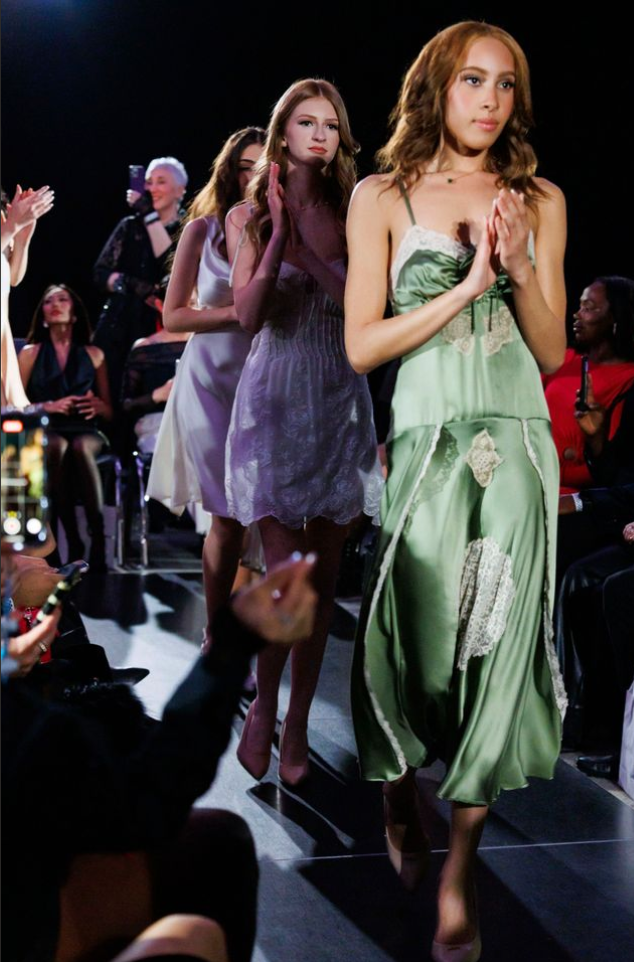
The color story was particularly strong. Cranberry red and sage green stood out against the darker palette, and a white knee-length satin dress with a full skirt felt quietly unforgettable. Messinger’s strength lies in her draping and editing. Every embellishment felt intentional. Nothing was excessive. The collection suggested a designer who knows when to stop, which is often the hardest skill to master. One left wondering what she might do in bridal, where her sense of softness and structure could truly shine.
The apex of the show came next.
Tuxedo Den by Jillian Shafer and Jon Rodriguez delivered a black-and-white formalwear collection that was sharp, confident, and impeccably executed. Known locally for bespoke suiting, rentals, and special-occasion wear, the brand is also deeply embedded in San Francisco’s costumed culture, creating custom designs for the Dickens Fair and the Edwardian Ball. That historical fluency showed.
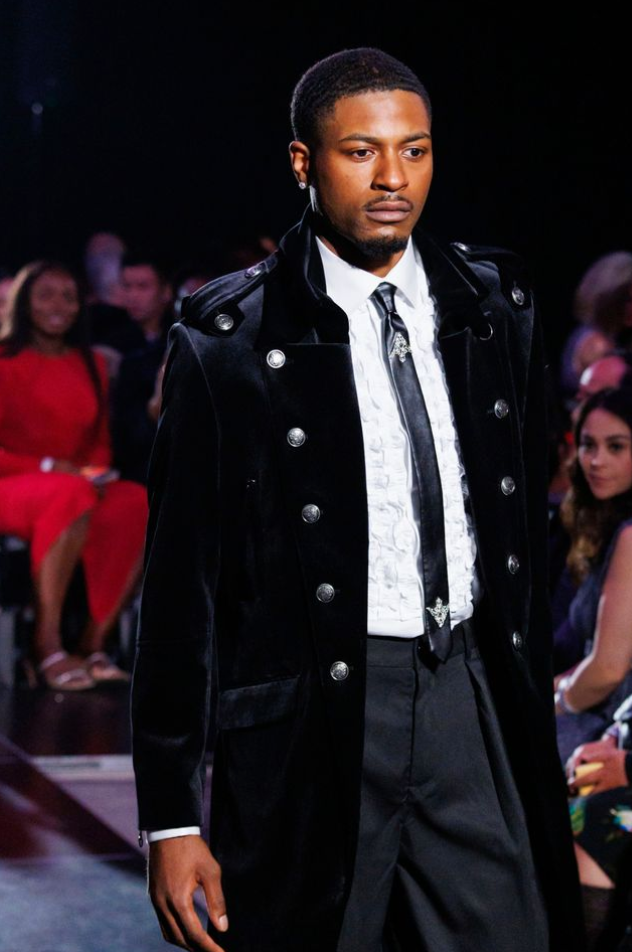
Velvet, brocade, lace, and satin reworked classic tuxedo forms into something cinematic and modern. One of the standout looks was a lace tuxedo jacket paired with satin trousers worn by the sole female model in the lineup, with all models grounded in to-die-for Louboutin red-bottom shoes. The uniform footwear underscored the discipline of the collection rather than distracting from it.
That discipline was intentional. One of the designers noted that a key part of the presentation’s sharpness came from matching the right model to the right look, allowing each person to fully embody the garment rather than simply wear it. The result was a runway that felt precise without being stiff, expressive without tipping into performance.
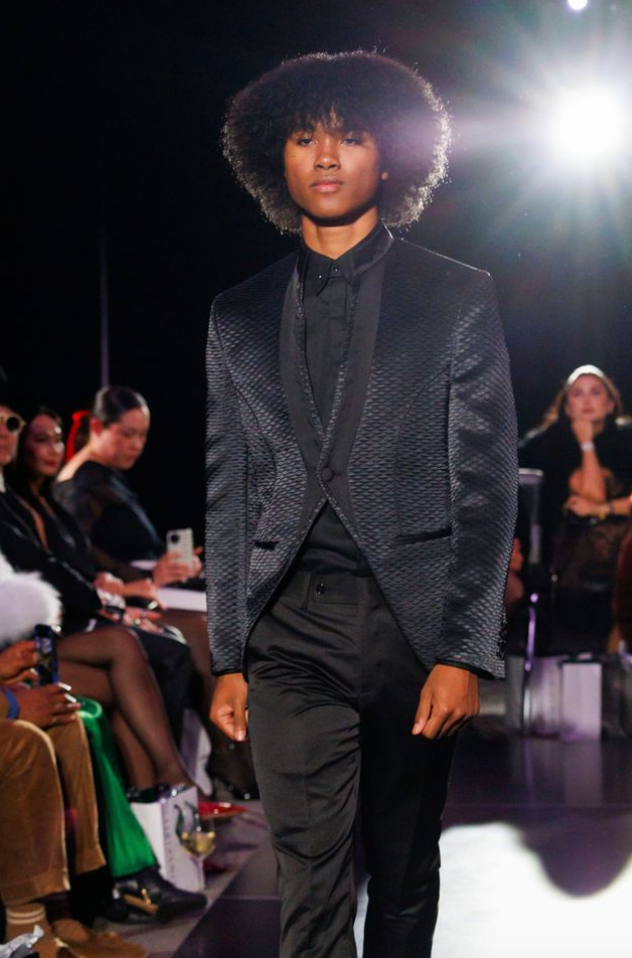
Even stronger were the tuxedos with attached capes, garments designed for entrances rather than novelty. The tailoring was immaculate. The pacing relentless. It was easy to imagine these pieces on red carpets or holding their own on a New York Fashion Week runway. For a brand rooted in weddings and special events, the showing was a revelation.
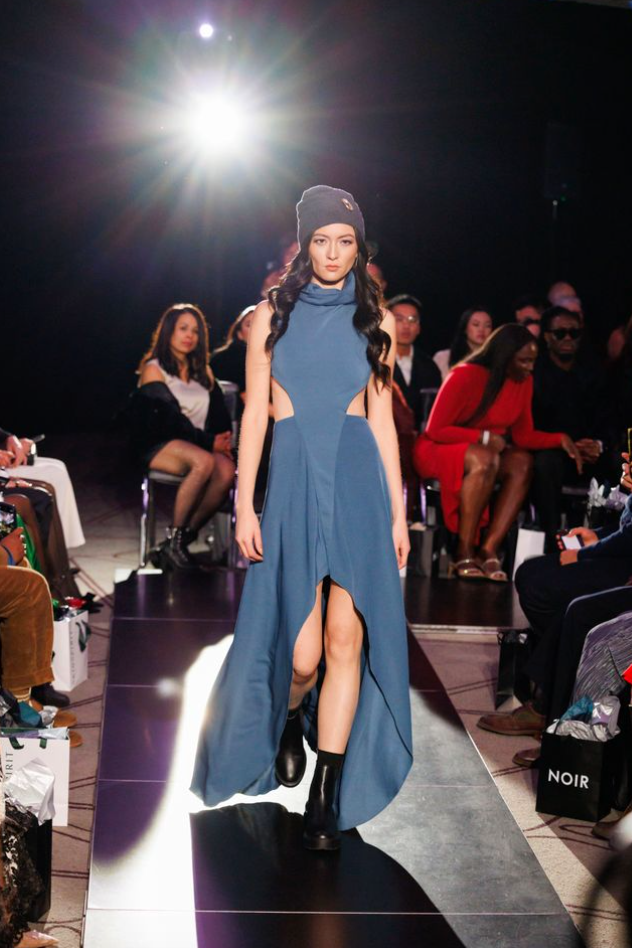
The show closed with Alysia Chang Design, bringing a forward-thinking take on streetwear and outerwear. Chang’s background in dance was evident in garments that responded to movement, favoring quilting, topstitching, and structured yet flexible silhouettes. Muted tones and a subtle retro-futurist edge gave the collection a practical elegance, particularly resonant in a city where outerwear is not optional.
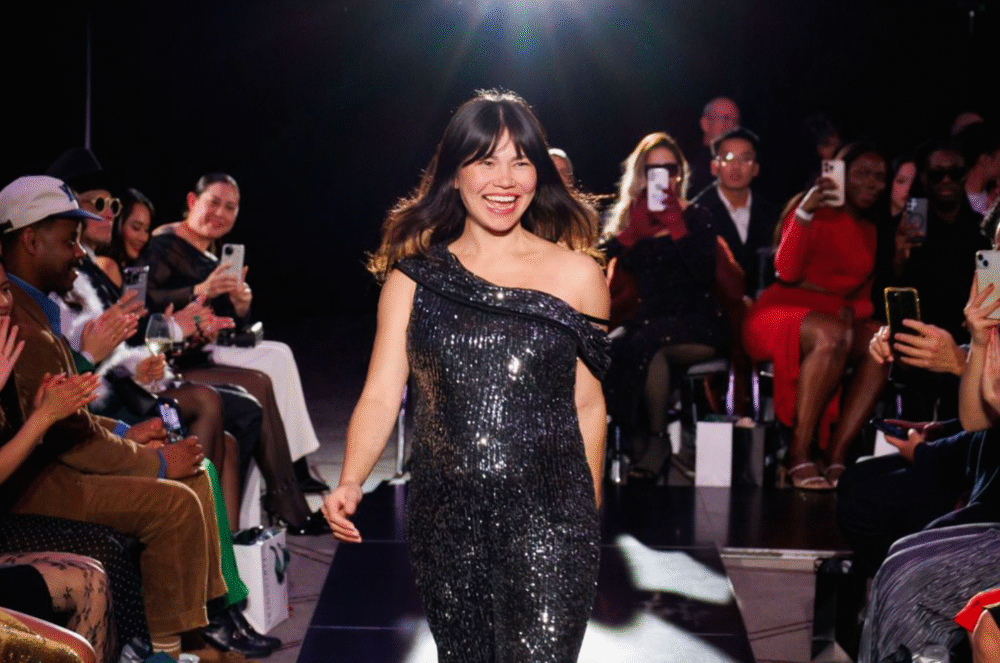
Chang’s personal style made an impression as well. When she came out for her bow in an icy-blue sequin jumpsuit, it hinted at a sparkle not yet fully explored on the runway. Whether a personal moment or a preview of what is coming next, it underscored her confidence and point of view. Her work felt grounded, wearable, and quietly inventive.
NOIR succeeded because it understood that fashion does not exist in isolation.
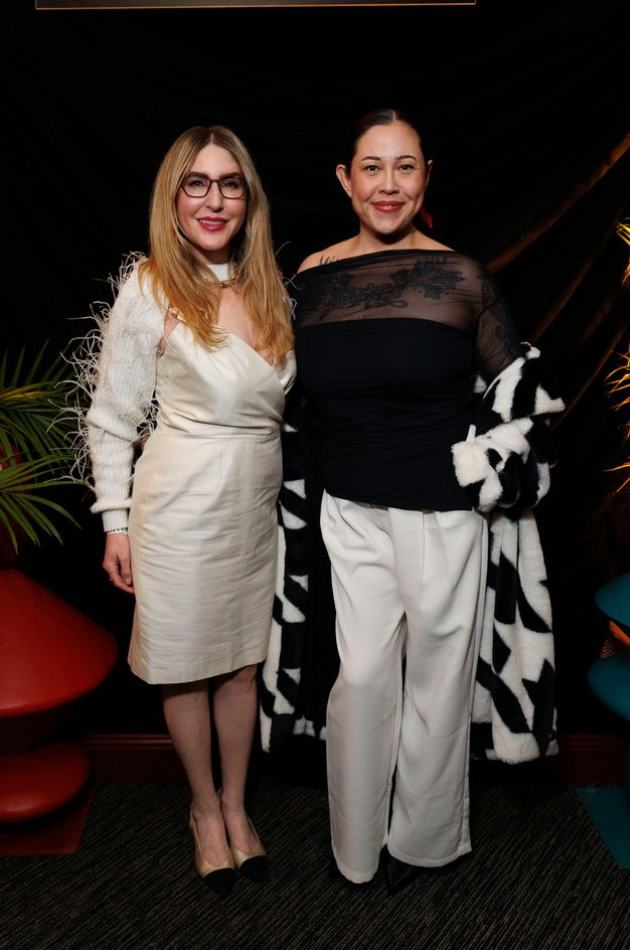
Guests were invited to explore The Last Look Holiday Pop-Up Market featuring Viviana Luxury, Luxe by Julianna, Curamourie Haus, Drink Teya, and Charmed in SF. VIP attendees enjoyed pre-show access to the speakeasy, curated cocktails, front-row seating, and post-show designer meet-and-greets. The evening flowed seamlessly from runway to after-party, with designers, models, and guests mingling naturally throughout the hotel.
Most importantly, the night felt authentic. It did not try to mimic New York or Los Angeles. It felt distinctly San Francisco: multicultural, design-forward, socially aware, and uninterested in spectacle for its own sake.
For more than 20 years, I have declined most local fashion shows, having learned that poor organization, confused audiences, and lack of vision can drain the joy from even the best intentions. NOIR was different. It was thoughtful. It was disciplined. It was stylish without being self-conscious.
Fashion did not pretend to return to San Francisco that night. It simply showed up, fully formed, and reminded us it never really left.
All images courtesy of Drew Altizer Photography
