

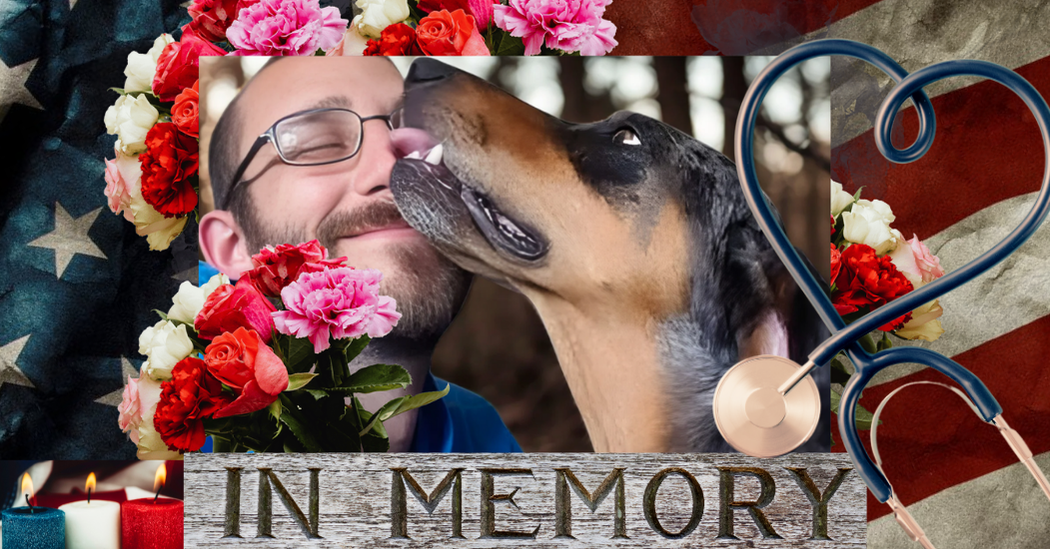
A Parent’s Nightmare
Imagine waking up on a Saturday morning to a call from an Associated Press reporter asking whether the man just killed by federal agents was your son. That is how Alex Pretti’s parents learned that he had become another casualty of the immigration crackdown in Minneapolis. They spent the rest of the day desperately trying to reach law enforcement, getting nowhere. Only when they finally reached the medical examiner’s office did they receive confirmation: The body matched their son’s identity.
To add salt to a wound that was already excruciating, top officials in the Trump administration publicly labeled Alex a domestic terrorist. Michael and Susan Pretti could not sit by and let the officials trash their son’s reputation by broadcasting such “sickening lies” that are “reprehensible and disgusting.” In the statement put out by the family, they also pled: “Please get the truth out about our son. He was a good man.”
This article is my effort to honor that plea.
Alex Jeffrey Pretti: Not All Heros Wear Capes
Alex Pretti was an ICU nurse at a V.A. hospital in Minneapolis, MInnesota. He saw nursing as a way to make a real difference—especially for veterans whose service he deeply respected. Before becoming a registered nurse, Alex worked in clinical research at the VA. A former mentor recalled that he left research because he wanted to help people more directly, and because care gave him the immediate human connection he valued.
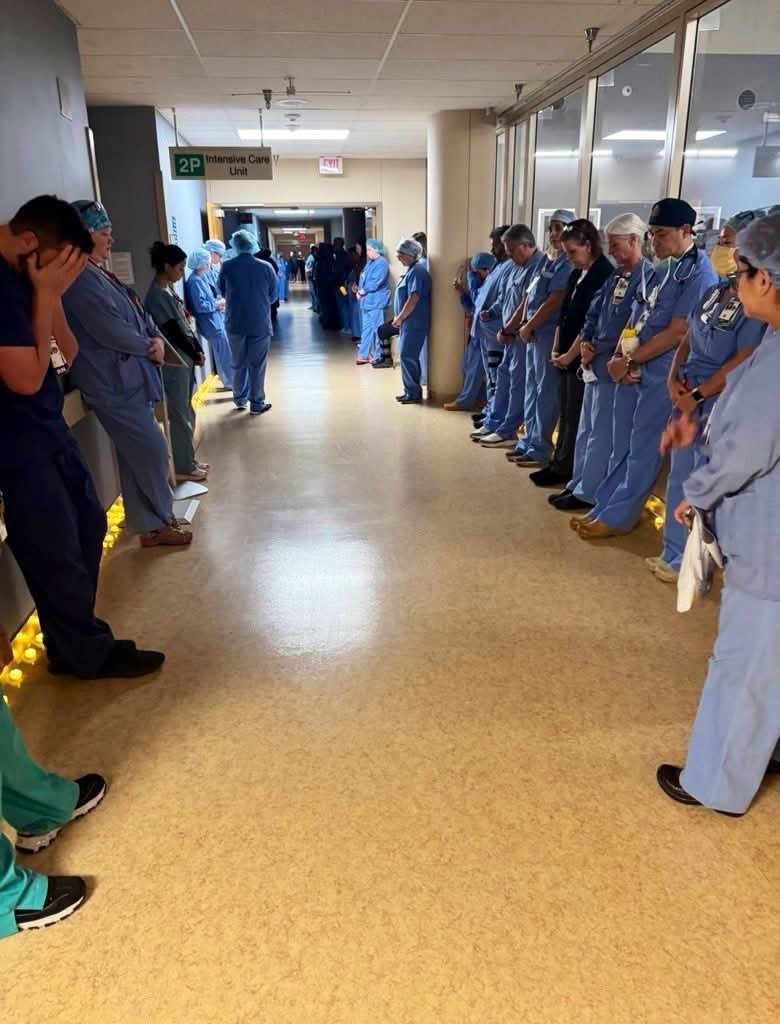
Alex Pretti’s family aren’t the only people grieving after his brutal murder by Border Patrol. Air Force veteran Sonny Fout recognized Alex’s face immediately when it appeared on the news. Alex had been his ICU nurse less than two weeks earlier. Sonny told People that he rarely uses the word “hero,” but without Alex’s care, he might not be alive.
Sonny underwent a nine‑hour surgery to repair a descending aortic aneurysm. His partner, Kimberly, waited from early morning until late afternoon before she was allowed to see him. When she finally entered the ICU, the machines, alarms, and tubes were overwhelming. Some nurses drifted in and out without explanation, she said, but Alex wasn’t like that. He was personable, attentive, and reassuring—enough that she felt Sonny was “in good hands.”
The care he gave Sonny stands in stark contrast to the version of Alex the federal government has tried to present.
Outside of work, Alex was an outdoorsman who took his dog everywhere, his mother Susan Pretti said. Neighbors described him as someone with a “great heart,” always willing to help when needed.
No one who knew Alex was surprised to see him protesting. He cared deeply about people and believed that what ICE was doing in Minneapolis was wrong. His parents talked with him beforehand; his father, Michael Pretti, recalled telling him, “Go ahead and protest, but do not engage, do not do anything stupid.” Alex assured them he understood and would be smart about it.
His ex‑wife, who asked not to be named, said she wasn’t surprised either. Alex protested in 2020 after George Floyd was killed, and she told the Associated Press that while he might shout at officers during a demonstration, she had never known him to be physically confrontational.
To those who knew him, Alex was a caregiver, a neighbor, and a protester who believed in doing what was right—not the violent figure officials have tried to portray.
Reconstructing the Moments Before the Shooting
There is a flood of information circulating on social media, and nearly every account carries its own bias. Actor Misha Collins spoke passionately about what happened in Minnesota on Saturday and shared a widely circulated video that includes a slowed‑down, narrated breakdown of the moments leading up to the shooting. I like this video because it gives the audience a content warning before the video of Alex being taken down starts.
In the slowed‑down footage, an ICE agent can be seen shoving a protester to the ground. Alex steps between them, appearing to help the person back up. He had been recording the agents; he pockets his phone just before an agent sprays him in the face. Several agents then force him to the ground.
In multiple witness videos, Alex is surrounded by agents. Some angles appear to show agents striking or kicking him. Throughout the slowed‑down breakdown, Alex’s hands are visibly empty at several points.
At one point, an agent shouts “GUN.” In the slowed‑down footage, another agent reaches around Alex’s waist and removes a firearm from his holster.
The gun was taken from Alex before the shots were fired. In other words, at the moment he was killed, Alex was unarmed.
The Public Outrage
The shooting of Alex Jeffrey Pretti by federal agents sparked widespread outrage, with many calling the incident morally reprehensible. The video footage and testimony from eyewitnesses on the scene contradict the federal officials’ narrative that Alex was an armed threat to everyone at the protest. A sloppy and inconsistent justification put forward by DHS and other federal officials fueled serious questions about whether lethal force was warranted, drawing criticism from the public and lawmakers across the political spectrum.
While no one knows why Alex was armed—friends and family say he didn’t typically carry—Second Amendment advocates, including the NRA, have spoken out. Alex had a valid concealed‑carry license, and nothing about his possession of a firearm was illegal. Representative Thomas Massie, a Republican, publicly condemned the shooting, saying, “Carrying a firearm is not a death sentence.”
On Sunday, in the wake of the shooting, protesters gathered in cities across the country despite frigid temperatures. Denver held an “emergency protest” that drew more than a thousand people to the state capitol, even as the Broncos played for the AFC championship. Marchers moved through downtown demanding accountability. Denver’s demonstration was one of many held nationwide that day.
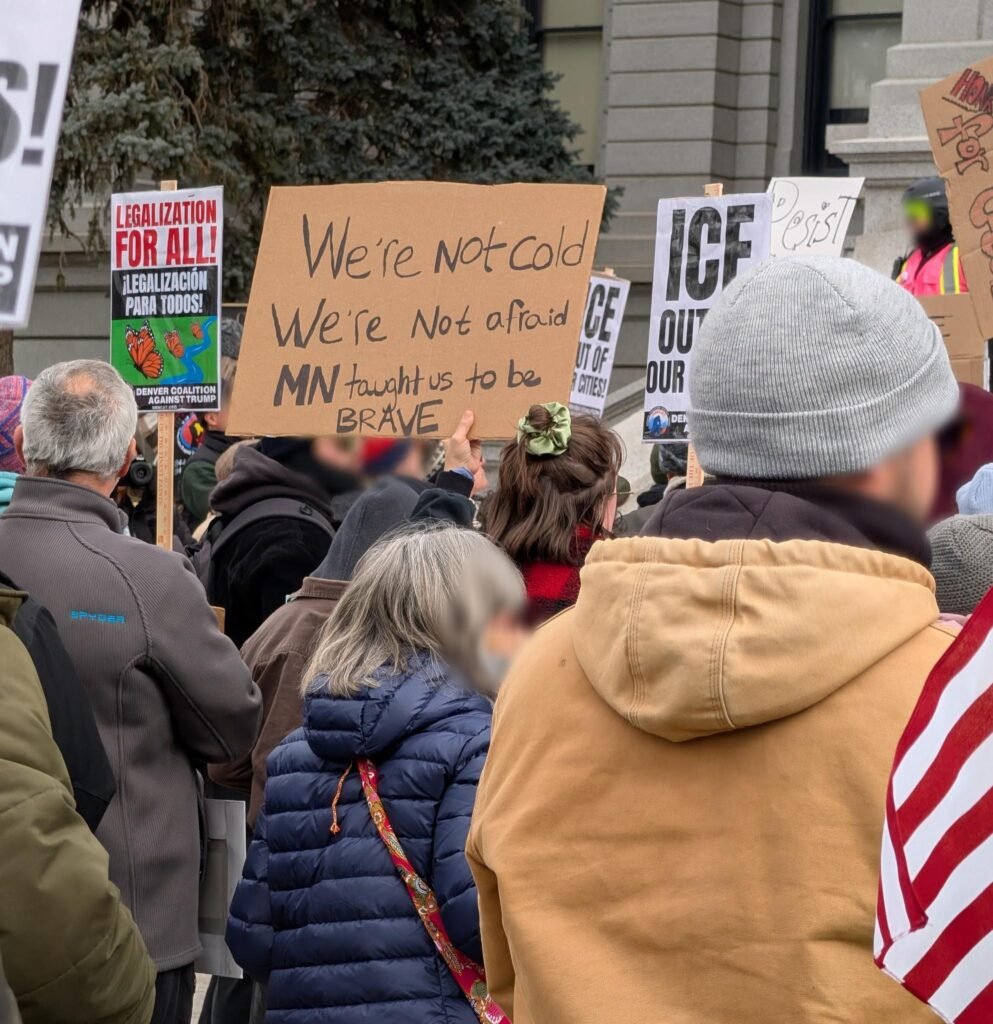
The scale and urgency of these demonstrations reflect a growing national demand for answers—and for accountability.
A Warning We Cannot Ignore
Alex Pretti was not a domestic terrorist. He was a kind, caring man who refused to look away from what he saw happening to his city and to the country he loved. He stood up for what he believed was right, and he lost his life at the hands of law enforcement agents while holding a phone and trying to help a woman who had just been shoved to the ground.
His death was not an accident. It felt like a message—just like the death of Renee Good felt like a message. A warning that immigration enforcement agents can act with impunity, and that anyone who intervenes risks becoming the next example. In the days after Renee Good’s death, witnesses reported agents taunting protesters with lines like “Did you not learn?” as if violence itself had become a tool of intimidation.
What is happening in Minnesota is not isolated. It reflects a broader pattern that could surface anywhere. And we cannot rely solely on elected officials to keep people safe when Congress continues approving funding for the very agencies accused of abusing their power.
In the middle of all this grief, a nursing student who knew Alex offered a plea:
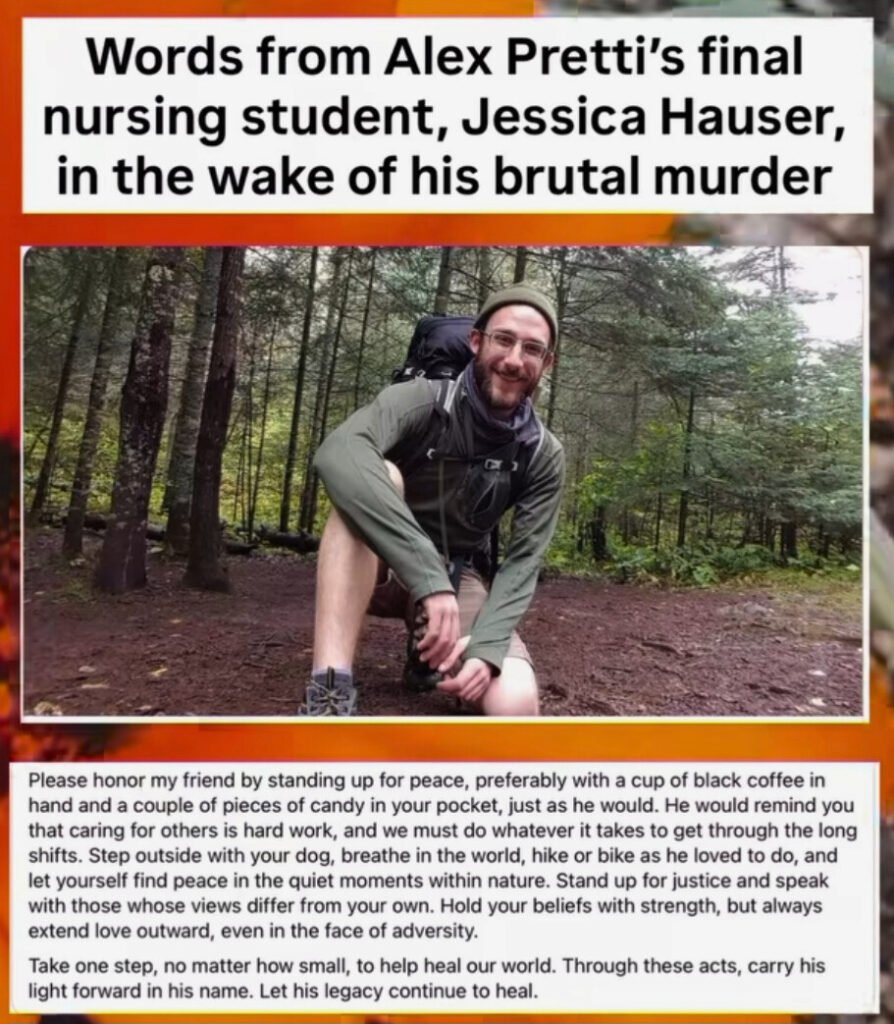
Honoring him means refusing to normalize violence. It means demanding accountability, insisting on transparency, and standing with those who are targeted or silenced. It means choosing courage over fear, community over indifference, and peace over the easy temptation of looking away.
Alex believed ordinary people could make a difference. The most powerful way to honor his memory is to prove him right.
Images found on social media unless noted otherwise
