

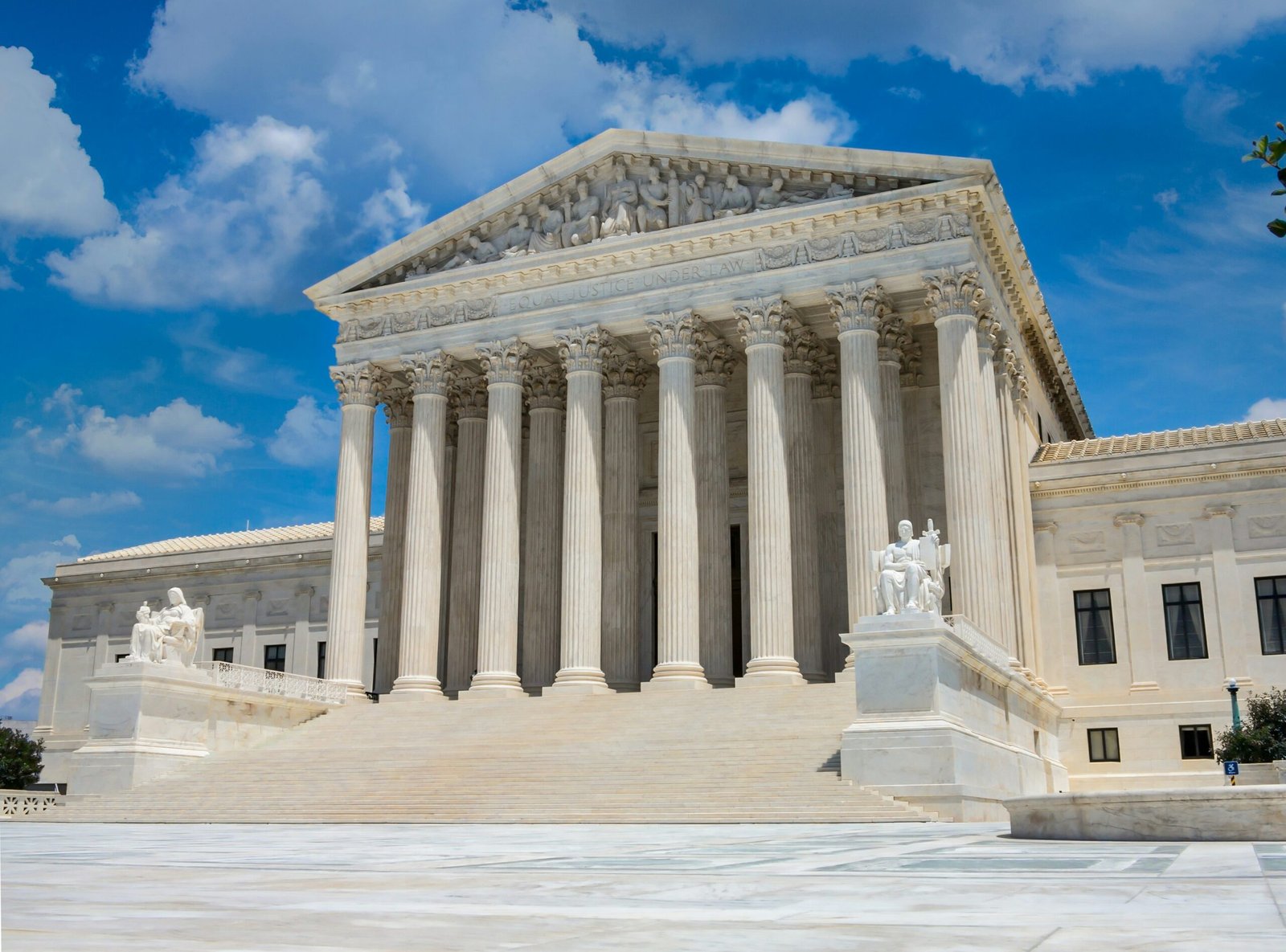
In a major 8-1 ruling on March 31, 2026, the U.S. Supreme Court struck down a Colorado law that prohibited licensed mental health professionals from practicing “conversion therapy” on minors. The decision in Chiles v. Salazar sided with Christian counselor Kaley Chiles, who argued that the state’s ban on using talk therapy to attempt to change a minor’s sexual orientation or gender identity violated her First Amendment rights.
Writing for the majority, Justice Neil Gorsuch emphasized that the Colorado statute targeted the content of the counselor’s speech rather than physical medical conduct. “While the First Amendment protects many and varied forms of expression, the spoken word is perhaps the quintessential form of protected speech. And that is exactly the kind of expression in which Ms. Chiles seeks to engage,” Gorsuch writes. He further explained that he believes the law to be unconstitutional because it “censors speech based on viewpoint,” allowing therapists to provide counseling that affirms a minor’s LGBTQ+ identity while banning speech that seeks to change it.
The Court rejected Colorado’s argument that the law was a legitimate regulation of professional healthcare conduct. Gorsuch notes, “Colorado may regard its policy as essential to public health and safety. Certainly, censorious governments throughout history have believed the same. But the First Amendment stands as a shield against any effort to enforce orthodoxy in thought or speech in this country.” The ruling clarified that because the ban restricted what a therapist could say based on the perspective they shared, it must meet the highest level of judicial review, known as “strict scrutiny.”
Justice Ketanji Brown Jackson was the sole dissenter, arguing that the majority’s decision undermines the ability of states to protect children from harmful medical practices. She contended that Colorado had the “power to regulate the medical treatments that state-licensed professionals provide to patients,” and that it should be able to restrict what she called a “dangerous therapy modality.” Jackson warned that the ruling “misreads our precedents, is unprincipled and unworkable and will eventually prove untenable for those who rely upon the long-recognized responsibility of states to regulate the medical profession.”
While the decision specifically addresses Colorado’s law, legal experts suggest it places similar bans in more than 20 other states at risk of being overturned. LGBTQ+ advocacy groups expressed deep concern over the ruling, noting that every major medical association in the U.S. condemns conversion therapy as ineffective and harmful. However, some legal observers pointed out that the ruling was narrow, focusing on talk therapy specifically. As Shannon Minter, legal director for the National Center for Lesbian Rights, stated, “This decision is narrowly about how conversion therapy can be regulated. It does not mean that conversion therapy is safe or legal. Conversion therapy is still medical malpractice and consumer fraud.”
“Colorado is for everyone, no matter who you are,” says Governor Jared Polis in a press release sent out after the ruling. “Conversion therapy doesn’t work, can seriously harm youth, and Coloradans should beware before turning over their hard-earned money to a scam. I am evaluating the U.S. Supreme Court ruling and working to figure out how to better protect LGBTQ youth and free speech in Colorado. We are fighting for everyone’s right to be who you are in our Colorado for all.”
