

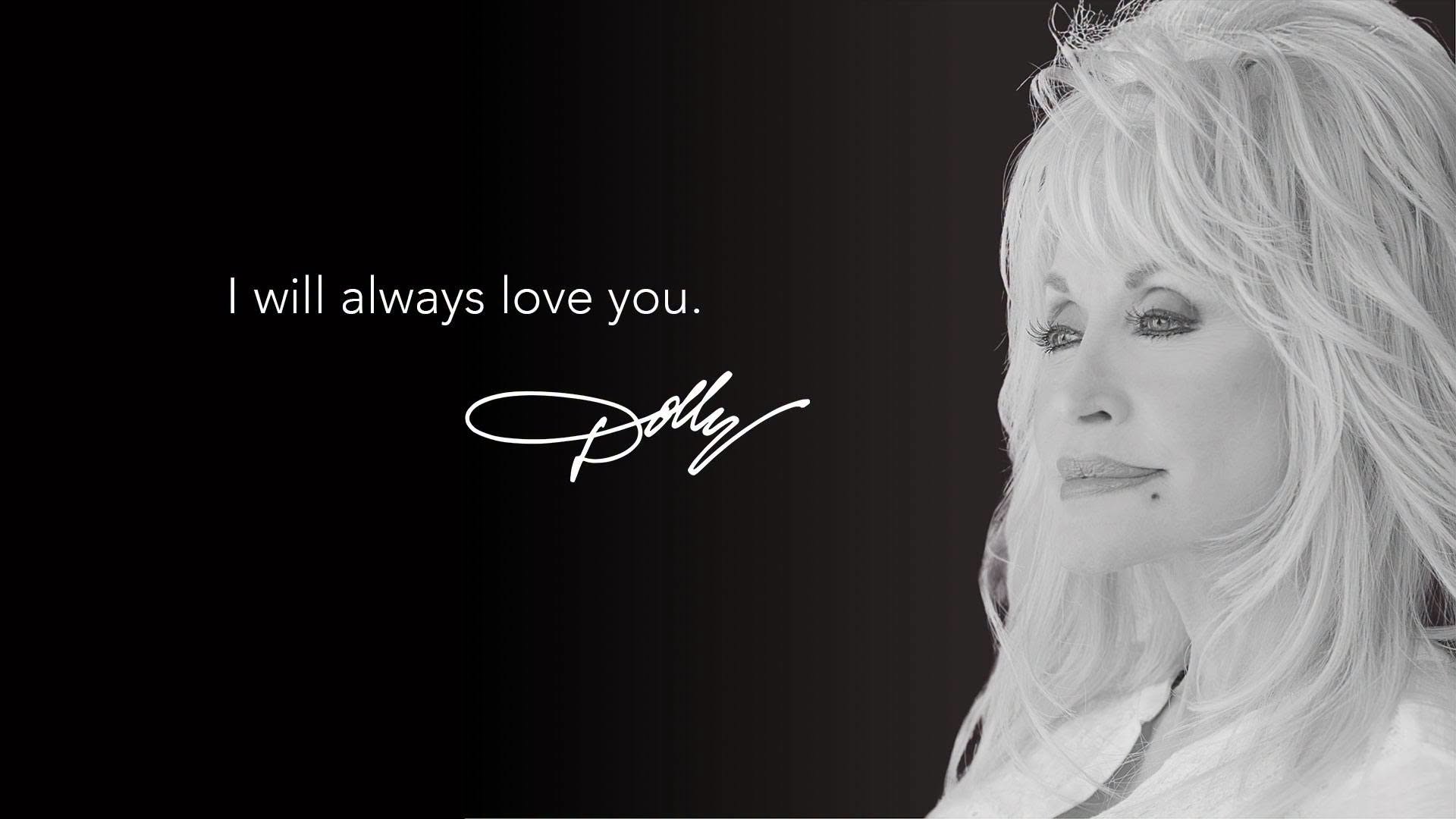
Country music legend, acclaimed songwriter, actor, and broad-appeal philanthropist Dolly Parton passed away peacefully in Nashville, Tennessee, at 80 years old.
In an industry historically rooted in conservative social norms, Dolly Parton spent decades carving out a radically inclusive space in country music, transforming her platform into an early and unwavering refuge for the LGBTQ+ community. Long before corporate allyship became fashionable, Parton leveraged her songwriting, immense cultural goodwill, and trademark humor to embrace queer fans, establishing a legacy as one of the genre’s most defiant and enduring icons.
Parton’s allyship was built into the very DNA of her music. On her 1991 album Eagle When She Flies, she directly addressed non-traditional family dynamics in the track “Family,” singing: “Some are preachers, some are gay, some are addicts, drunks, and strays. But not a one is turned away when it’s family.” The casual inclusion of queer identities within a traditional country framework was revolutionary for its era, offering validation to marginalized listeners across rural America.
Her 1971 classic “Coat of Many Colors”—a song recounting her mother sewing a garment from rags—resonated deeply with LGBTQ+ fans as an anthem of transforming shame into pride. Parton openly embraced this connection, noting in a retrospective on her musical philosophy: “It’s OK to be different. You know, it’s OK to not be like everybody else. In fact, it’s not only OK, it’s wonderful that you are who you are.”
When asked about her political stances or religion, Parton frequently used her platform to challenge systemic prejudice within the conservative establishment. On the topic of marriage equality, she famously quipped: “I think gay couples should be allowed to marry. They should suffer just like us heterosexuals!” On a more serious note, she consistently pushed back against religious judgment targeting queer people, stating flatly: “If you’re gay, you’re gay. If you’re straight, you’re straight. We are who we are … I do not believe that we should judge.”
Parton’s support extended into her business practices and personal life. She routinely hired trans employees within her companies and turned Dollywood into a safe, welcoming space for LGBTQ+ families. In discussing her queer staff and loved ones, Parton emphasized the importance of total authenticity: “You need to let people know who you are and you need to come on out. You don’t need to live your life in darkness … You’re not gonna be healthy if you try to suppress your feelings and who you are.”
By refusing to quiet her support in the face of backlash, Parton proved that radical empathy could coexist with mainstream country stardom. She did not merely welcome LGBTQ+ fans into her orbit; she wove them into the fabric of her musical legacy.
