

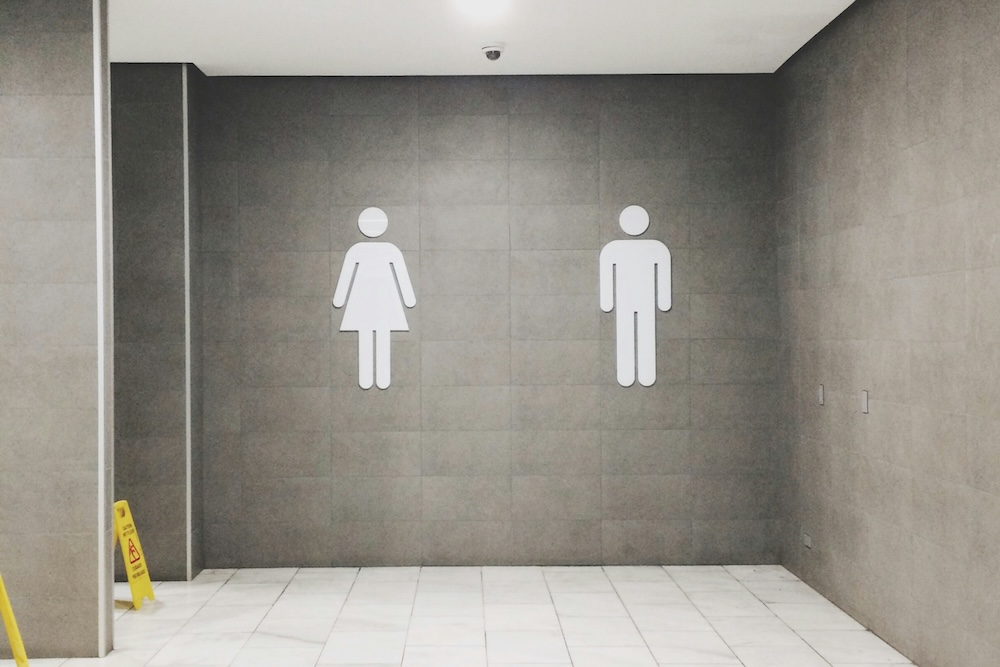
A new statutory code of practice issued by the Equality and Human Rights Commission (EHRC) has taken effect across England, Scotland, and Wales, legally restricting access to single-sex public bathrooms, changing rooms, and hospital wards based strictly on biological birth sex rather than gender identity. Under the new code, single-sex spaces designated for men or women are permitted to lawfully exclude transgender individuals. Despite authorizing exclusion, the regulations simultaneously state that questioning individuals at toilet doors or demanding verification of their birth sex is inappropriate, leaving significant uncertainty regarding how the policy will actually be enforced on a daily basis.
This policy implementation stems from a landmark 2025 legal precedent set by the United Kingdom Supreme Court. In an 88-page ruling released on April 16, 2025, five judges unanimously determined that the legal definition of a woman applies exclusively to cisgender women. Explaining the verdict, Supreme Court Deputy President Judge Patrick Hodge declared that the terms “woman” and “sex” refer only “to a biological woman and biological sex,” emphasizing the judicial stance that the “concept of sex is binary, a person is either a woman or a man.”
The practical application of the code creates complex logistical and social dilemmas across public institutions. Highlighting the contradictions embedded in the guidelines, CNN correspondent Ben Hunte observes: “A transgender man could be placed on a female-only hospital ward based on his sex assigned at birth … But here’s where it gets tricky: That same man could be barred from accessing a women’s locker room on the basis that his presentation as a man could make others uncomfortable.”
Beyond healthcare facilities, the directive imposes strict restrictions on educational environments and private enterprises. Schools and colleges across Great Britain are prohibited from maintaining mixed-sex toilet facilities for students over eight years old or allowing mixed-sex sleeping arrangements on school trips. Educational institutions are also advised to record every student’s birth sex to ensure compliance. For private business owners, the burden involves determining whether facility users will object to a trans person’s presence; the code notes that if a provider allows trans women into women-only spaces, it is “very unlikely” the facility will legally retain its status as a single-sex space.
The financial scope of enforcing the ban is equally extensive. Reports from SkyNews indicate that the transition requires altering nearly 13,000 public toilets and more than 5,000 changing rooms in gyms, hospitals, and leisure centers, alongside replacing at least 18,000 signs—an endeavor expected to cost millions of British pounds. While Northern Ireland currently stands as an exception due to its separate legal framework, the government’s official equality impact assessment acknowledged that the policy’s overall impact on transgender individuals is inherently “negative,” offering third-space unisex options as a proposed mitigation. Notably, an examination of the EHRC’s 142-page code document revealed zero mentions of intersex or nonbinary individuals.
