

Ichabod: The Musical is one of those rare productions that feels familiar at first glance—Sleepy Hollow, ghost stories, a nerdy schoolteacher turning up in a strange town—and then quietly rearranges the entire landscape beneath you. What stays with me most is the show’s confidence: its refusal to be just one thing, its willingness to move between earnestness, horror, comedy, and queer longing without apologizing for the tonal whiplash it creates.
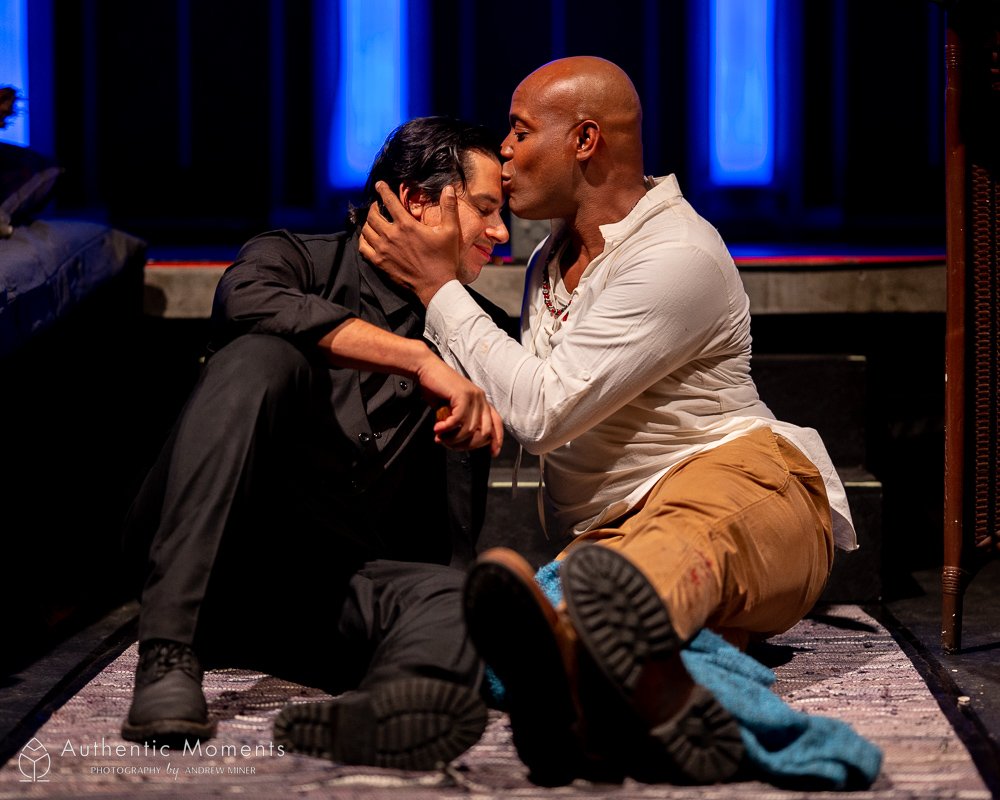
At its center is the relationship between Ichabod Crane and Qatal, a formerly enslaved man who now works as the school’s assistant. Their connection begins in the small, human places—shared space, shared work, and the intimacy of being around someone day after day. What develops is a slow, careful queer romance stitched together through proximity, vulnerability, and the unspoken tenderness of two men figuring out their own desires within a community shaped by hierarchy and judgment. The fact that they share a tiny cabin becomes a metaphor for everything the show does well: closeness, friction, warmth, and the claustrophobic pressure of wanting something you’re not sure you’re allowed to have.
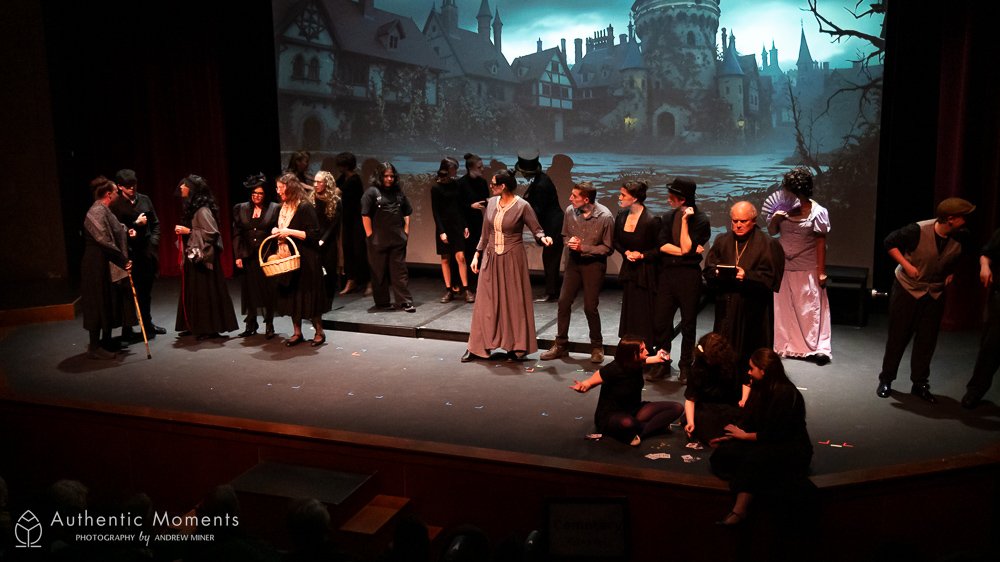
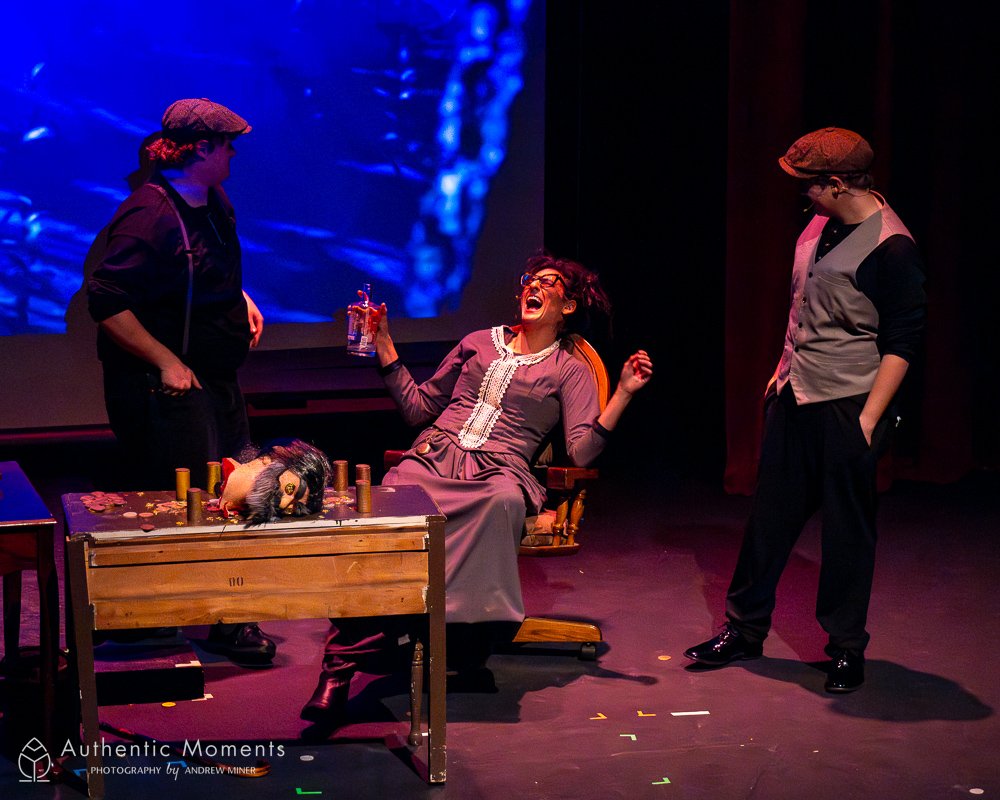
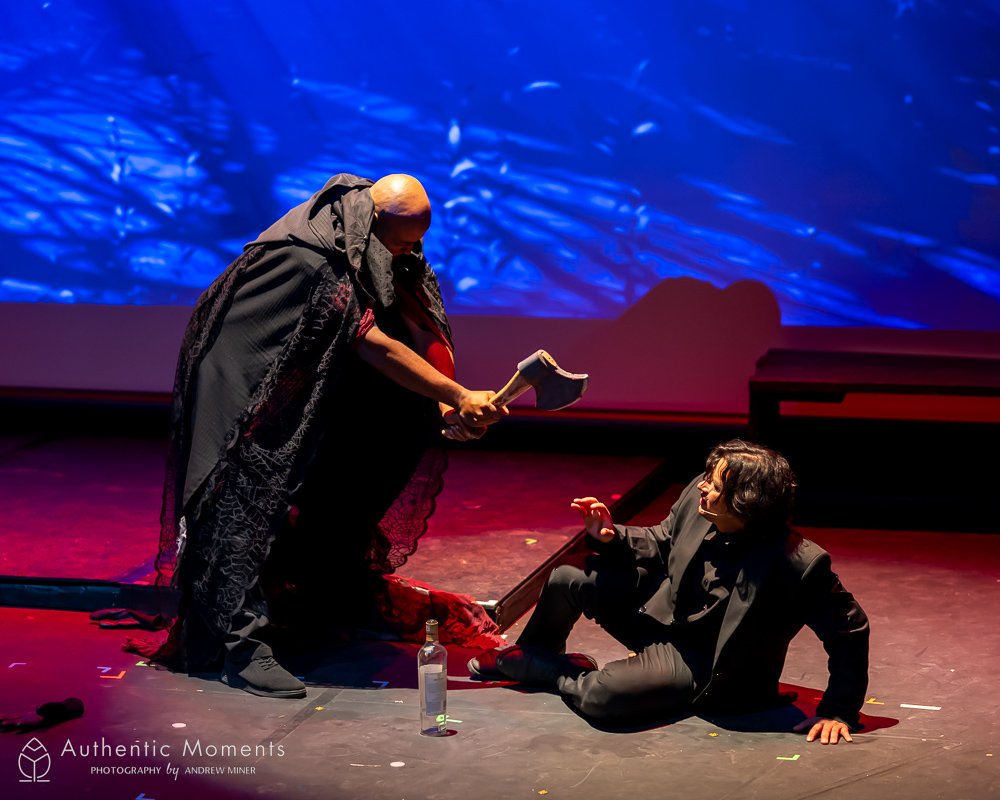
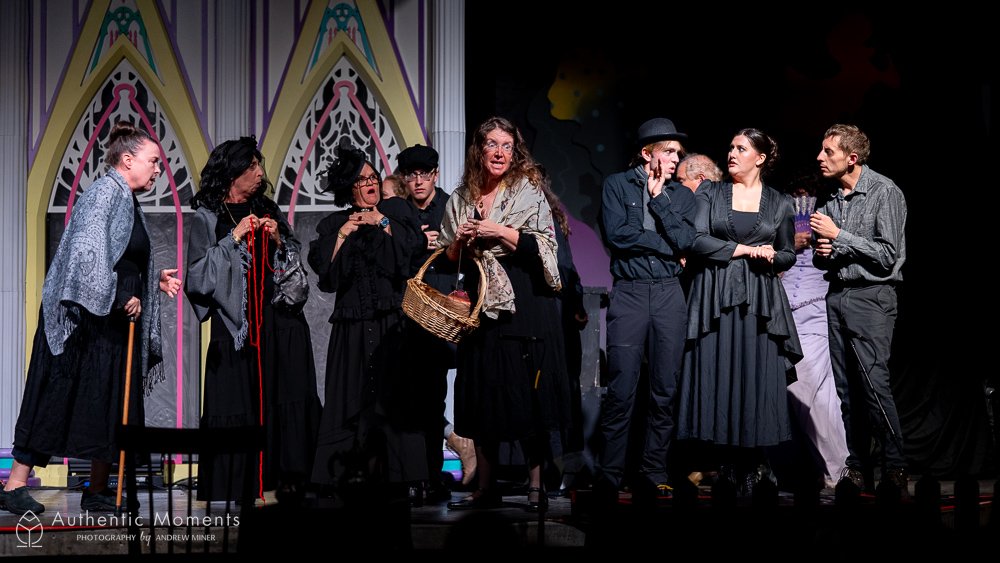
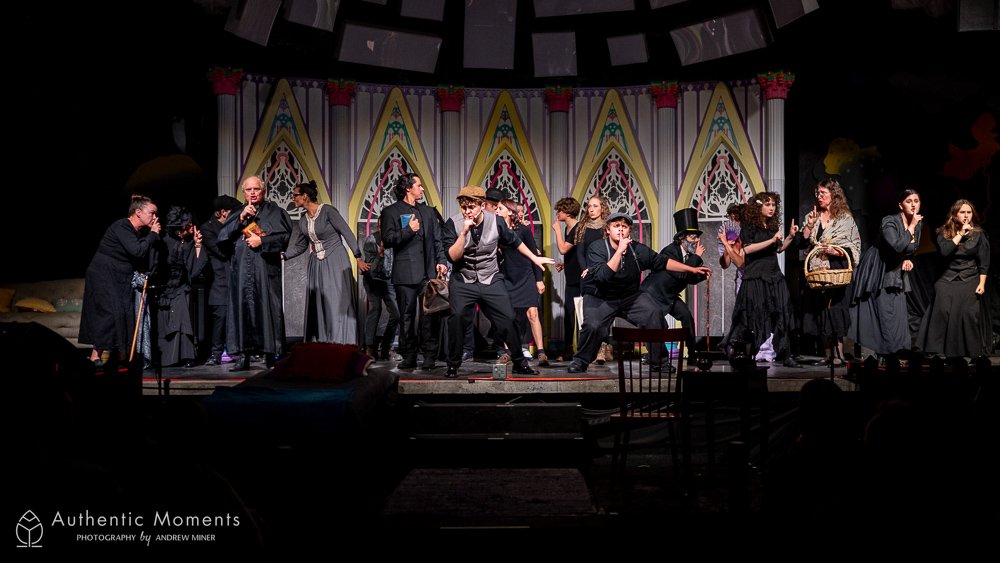
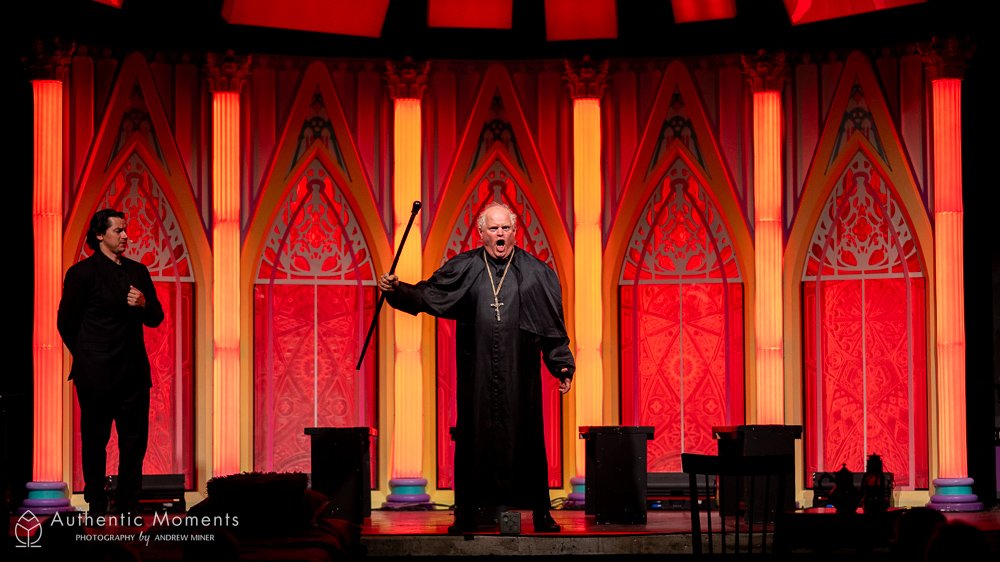
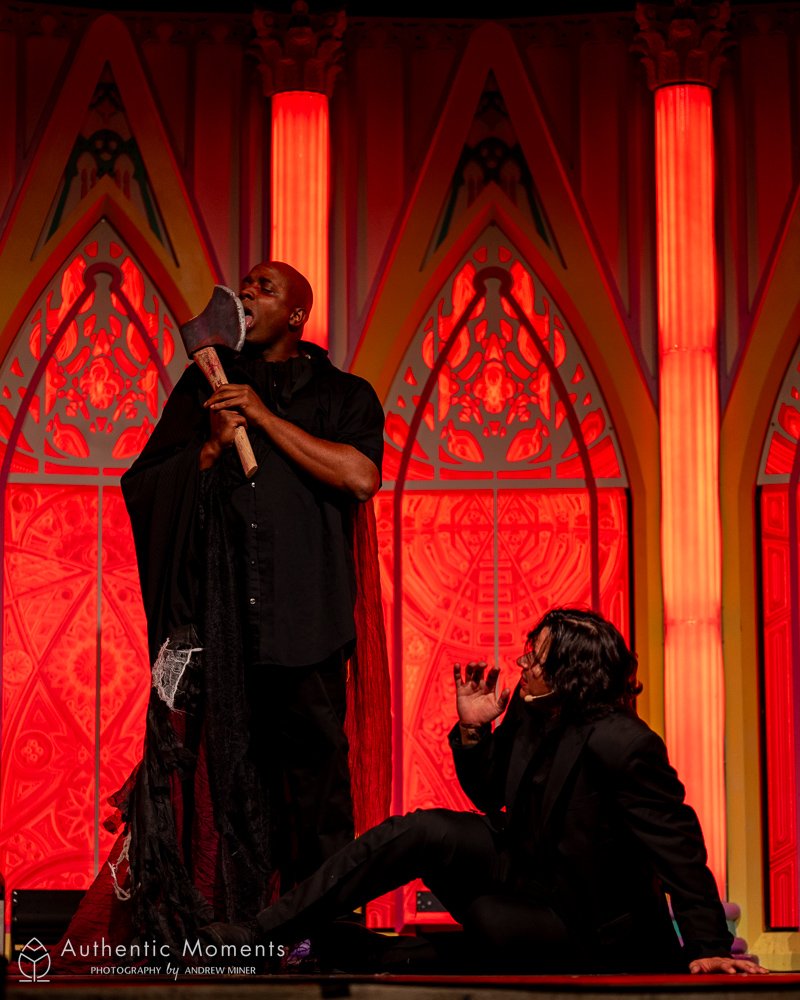
But love isn’t the only force shaping Ichabod. The musical pushes a social critique that’s surprisingly sharp: the sadistic priest who literally beats his students into “submission,” the tax collector lounging in comfort while squeezing the town dry, the gossipy power structures that decide who deserves wealth, stability, or affection. These are the figures the Headless Horseman targets one by one, and their deaths aren’t random or decorative—They’re moral indictments of a community filled with sin.
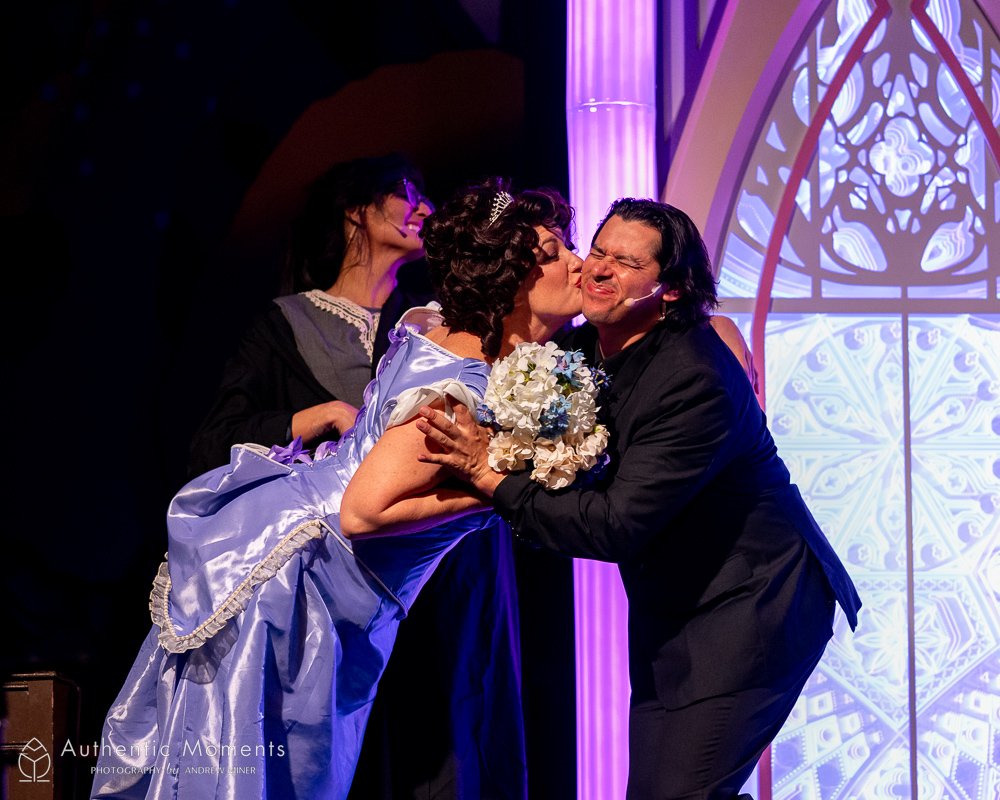
And that’s where the play takes its biggest swing: the reveal that the Horseman is Qatal himself. Instead of a supernatural phantom, we get a man pushed into righteous fury, exhaustion, and heartbreak. His killings become a distorted form of justice—an answer to cruelty the town has normalized. But that same rage eventually turns inward, or at least closer to home, when he feels betrayed by Ichabod’s plan to marry Katrina Van Tassel for her wealth. Ichabod sees it as a way to build a secret future for the two of them; Qatal sees it as a betrayal, a lie, a choice to hide their love behind privilege. Their tragedy is that they’re both right in their own ways.
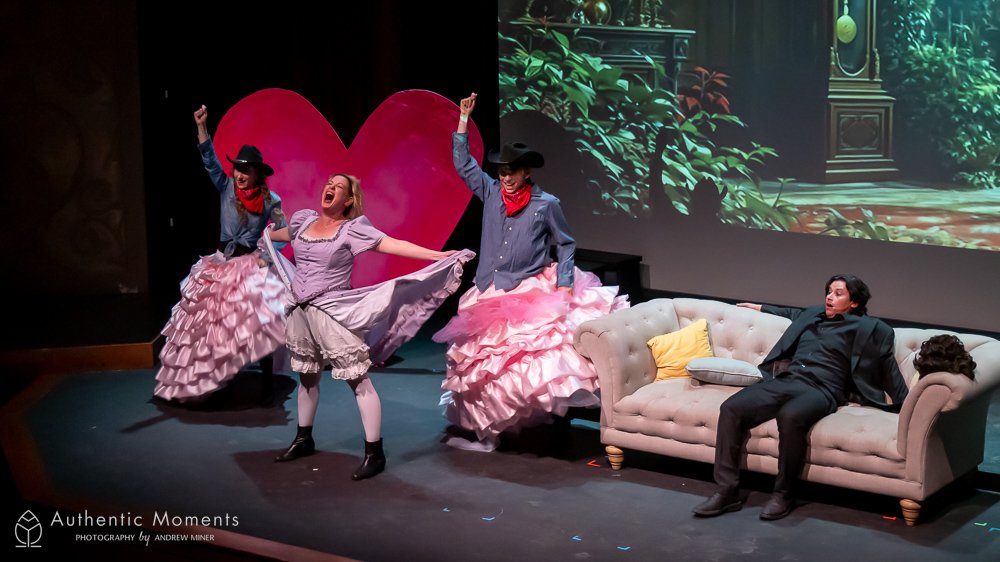
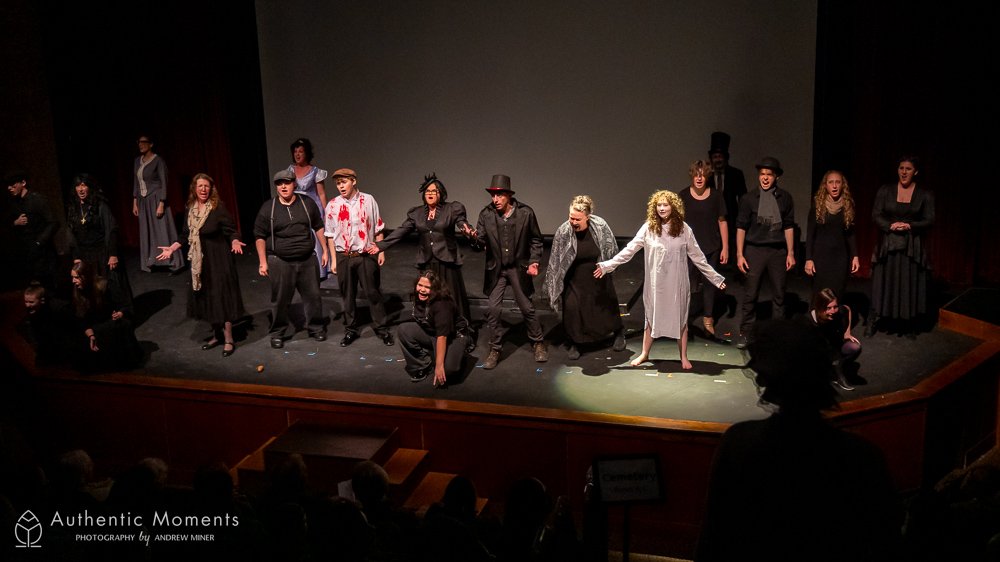
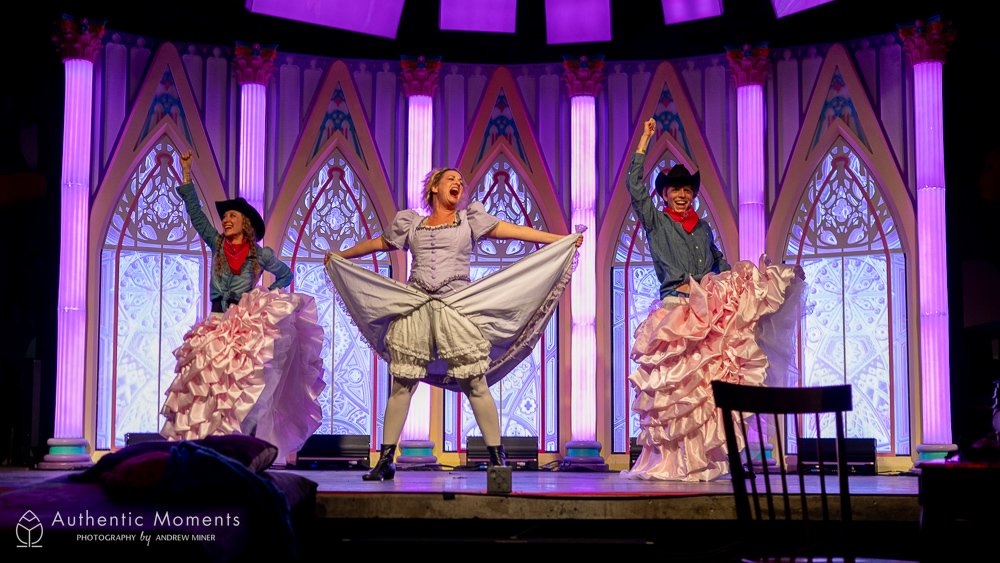
That the show balances all of this with moments of absurdity is almost part of its charm. The clearest example is Katrina’s unexpectedly explosive musical number—essentially “Fuck Me Like You Mean It.” It arrives after a series of earnest, plot-driven songs; then suddenly Katrina, who initially presents as buttoned-up and controlled, unleashes this wild, raunchy cabaret sequence complete with can-can dancers. It’s jarring in a way that snaps the show open, reminding the audience that desire, humor, and the grotesque all coexist under Sleepy Hollow’s fog. Instead of feeling like a mistake, the tonal shift becomes a feature: the musical is intentionally chaotic, intentionally dramatic, intentionally refusing to stay inside traditional borders.
By the time the final chase through the woods arrives—the Horseman revealed, the wedding abandoned, Ichabod’s fate sealed—the story has transformed into something operatic, mythic, and deeply human. The production seems to ask a simple but devastating question: What do we become when love fails to protect us from the world around us? In Ichabod, the answer is complicated. Sometimes we become ghosts. Sometimes we become monsters. Sometimes we become the thing we feared all along.
What I admire most about Ichabod: The Musical is the ambition. The show tackles race, queerness, class, and violence without losing its sense of play. It risks tonal whiplash. It refuses a happy ending. And yet it delivers something memorable: a messy, heartfelt, genre-bending retelling of a story we thought we already knew.
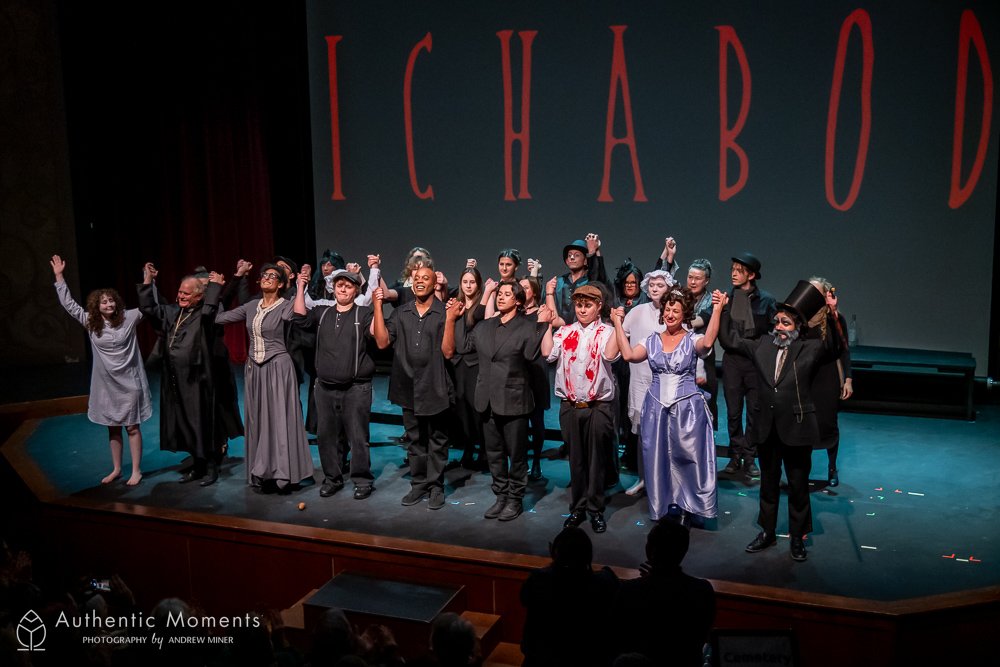
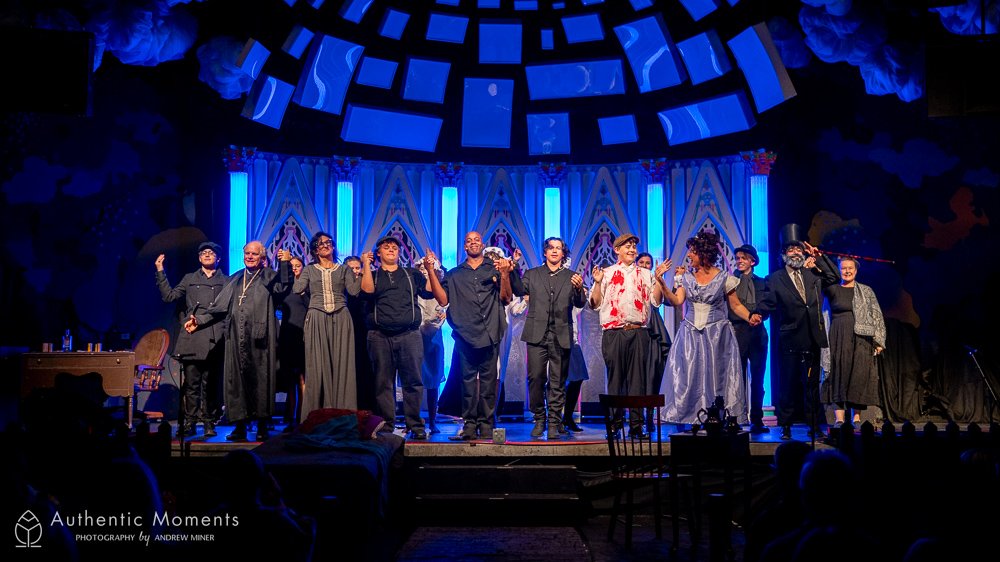
Written and created by Scott Merchant, the production ran this autumn at both Meow Wolf and Elaine Wolf Theatre.
All photos courtesy of Authentic Moments
