

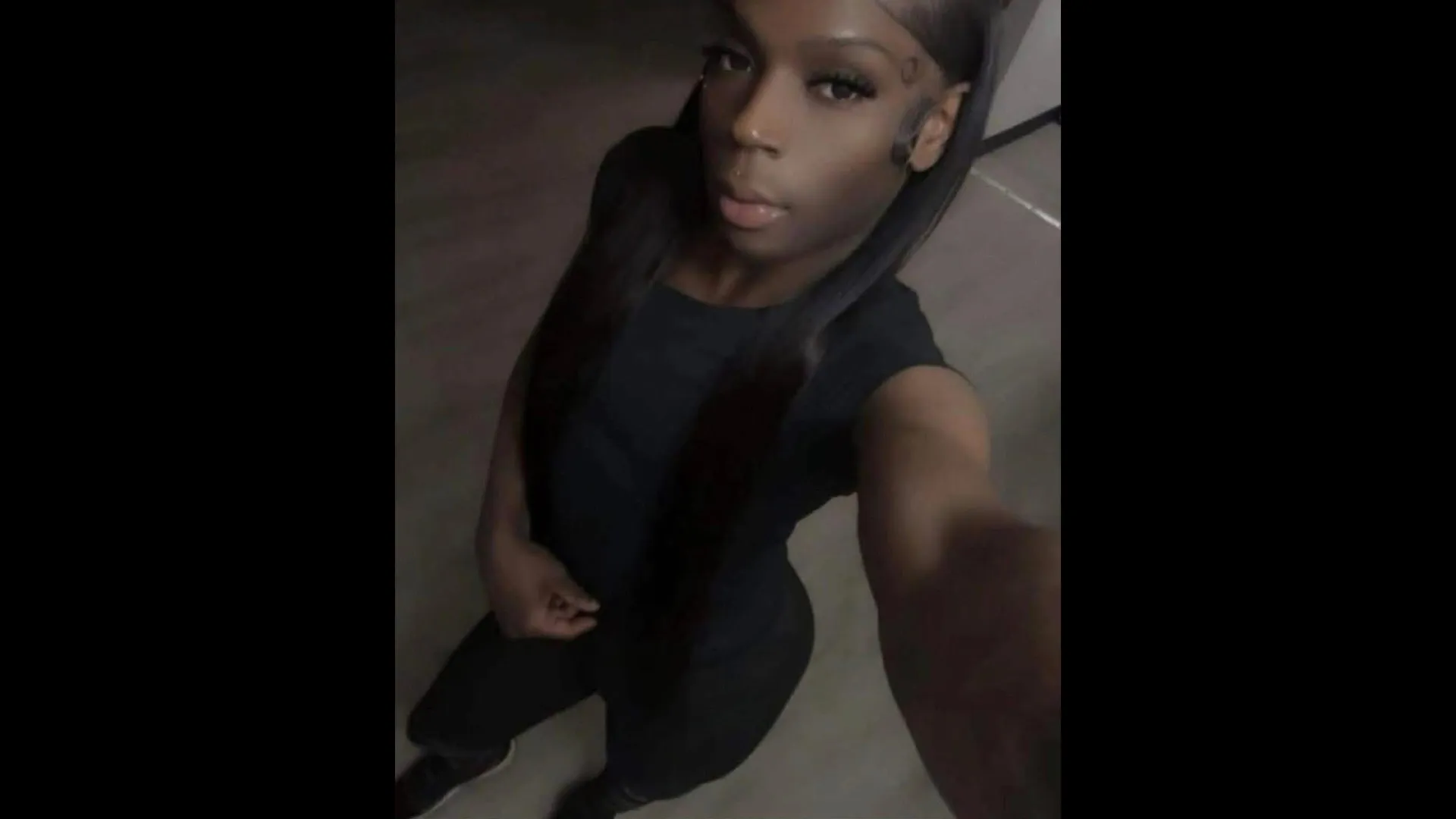
The Chicago LGBTQ+ community is mourning the loss of Davonta Curtis, a 26-year-old Black transgender woman who was found dead in her South Side apartment earlier this month. According to the Chicago Police Department, officers discovered Curtis’s body on the afternoon of April 3 after performing a wellness check at her residence in the Woodlawn neighborhood. The Cook County Medical Examiner’s Office has since ruled her death a homicide, citing multiple sharp force injuries.
Following the discovery of Curtis’s body, investigators revealed that there were no signs of forced entry into her apartment, suggesting she may have known her attacker or that the individual gained access under false pretenses. Neighbors reported hearing a brief disturbance in the hallway hours before the wellness check, but the muffled sounds were not immediately recognized as a life-threatening struggle. This lack of immediate intervention highlights the isolation many trans women feel even within their own residential spaces.
Forensic evidence collected at the scene is currently being processed, and detectives are reviewing surveillance footage from nearby businesses in the Woodlawn area. “We are following every lead to ensure that whoever is responsible for this heinous act is held accountable,” a police spokesperson says during a brief press conference. Despite these assurances, many in the community feel the investigation has lacked the urgency typically afforded to cisgender victims, prompting local organizers to keep public pressure on the 3rd District precinct.
The brutality of the “sharp force injuries” mentioned by the medical examiner has sparked a renewed conversation regarding the nature of hate crimes in the city. Friends noted that Curtis had recently expressed concerns about her safety to a small circle, though the specific nature of those threats remains unclear. As her family prepares for her final arrangements, they continue to urge anyone with information to come forward, emphasizing that Davonta’s life was precious and that her silence will not be the final word on her story.
As news of her death spread, friends and local activists gathered to remember a woman they described as a “bright light” who navigated a world that was often unkind to her with grace and a sense of humor. “Davonta was the kind of person who could walk into a room and immediately make you feel seen,” says a close friend during a neighborhood vigil. “She deserved to grow old, to see her dreams through, and to live without the constant shadow of fear that haunts so many of us.”
The killing of Curtis marks another somber chapter in the ongoing crisis of violence targeting trans women of color. Advocacy groups have pointed out that Black transgender women face disproportionately high rates of fatal violence due to the intersection of transphobia and systemic racism. “Each time we lose a sister like Davonta, a piece of our community’s heart is ripped away,” a spokesperson for a local advocacy group stated. “We aren’t just looking for justice in a courtroom; we are demanding a world where we are safe in our own homes.”
While police have not yet identified a suspect or a motive, the community remains steadfast in its call for action. Activists are urging city officials to invest in specialized housing and protection for the trans community. As the investigation continues, the memory of Davonta Curtis serves as a powerful testament to the resilience of Black trans joy and the urgent necessity of protecting it.
