

What happened?
Nemesio Rubén Oseguera Cervantes, “El Mencho”, the leader of the Jalisco New Generation Cartel, was killed by the Mexican army on Sunday. He was originally wounded during the army’s efforts to capture him, and he died in transit to Mexico City.
The mission carried out by the Mexican army was counteracted by the cartel. The conflict resulted in military members killing eight members of the cartel, while “El Mencho” and two of his bodyguards were injured. The army confiscated a number of weapons from the scene, including highly-destructive rocket launchers, and a large number of fire arms, 80% of which appear to have originated from the US.
What does this mean?
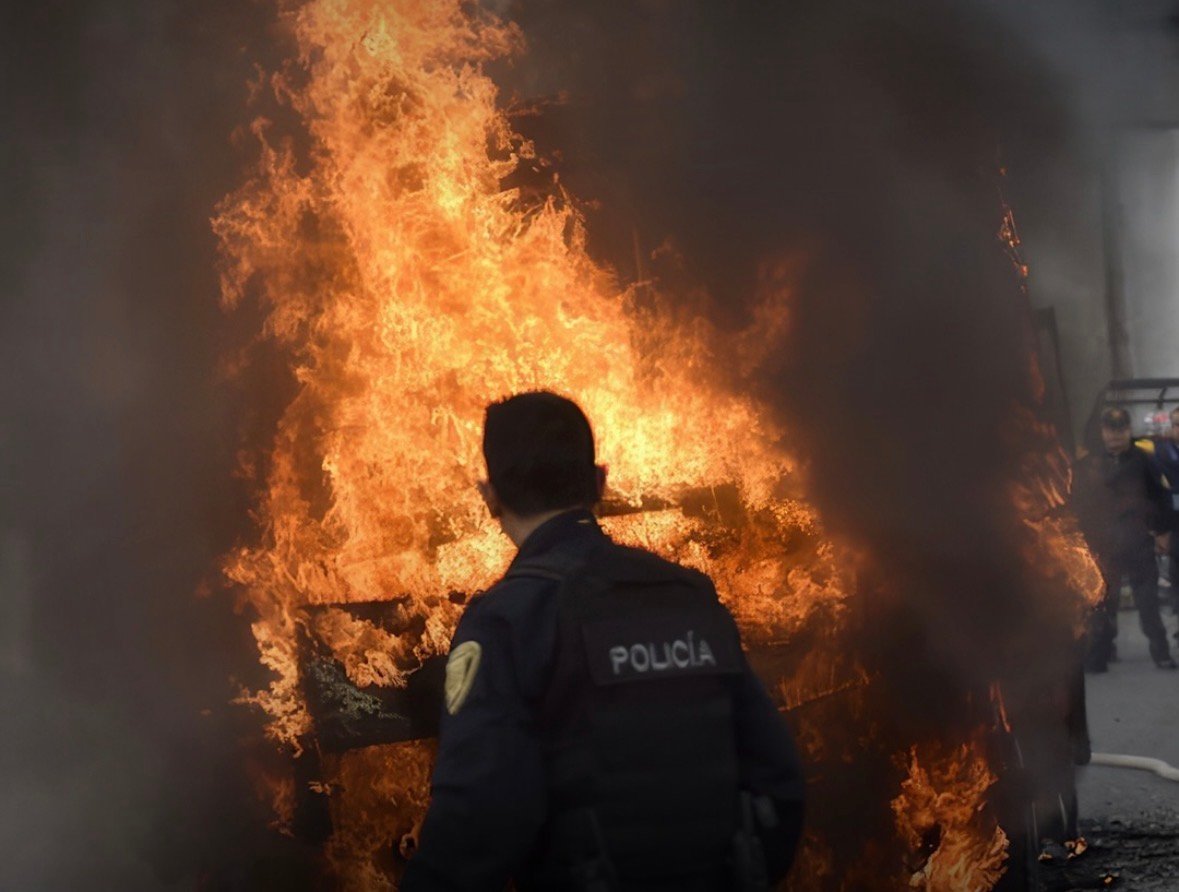
The Jalisco New Generation Cartel, also known as CJNG (Cártel de Jalisco Nueva Generación), has erupted in violence in response to the death.
According to the US Drug Enforcement Administration, CJNG has influence and presence in over 40 countries, and affiliated members in all 50 states in the US.
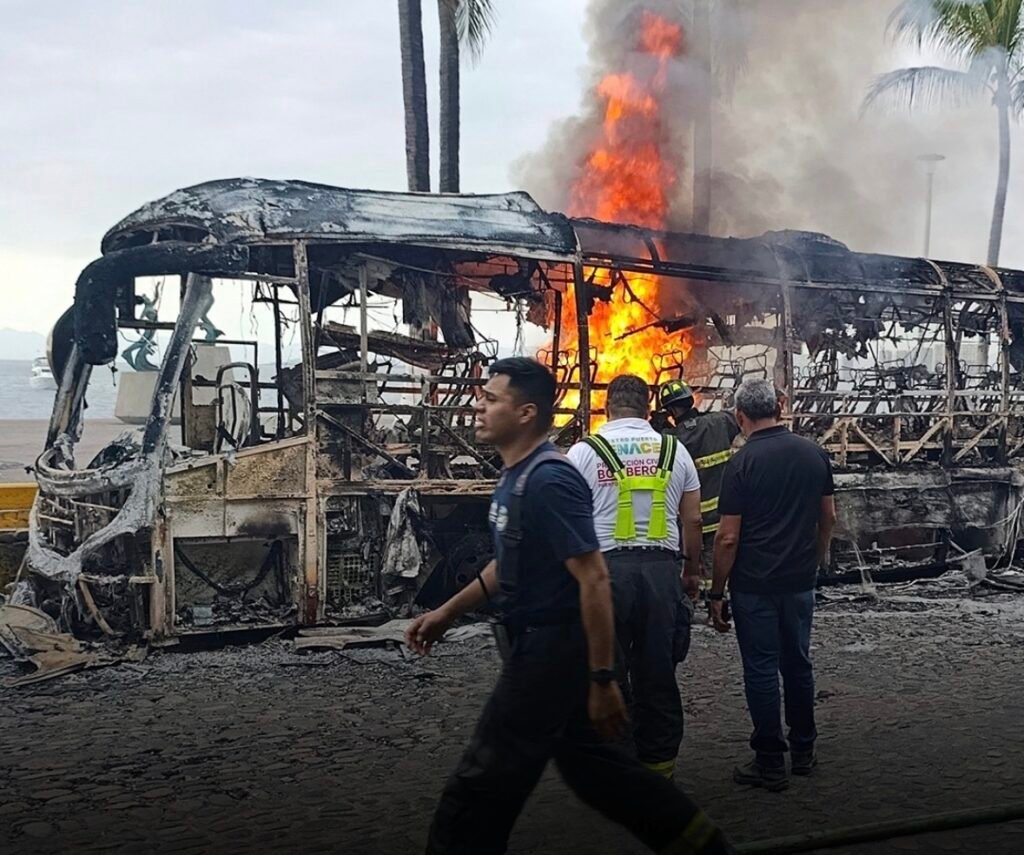
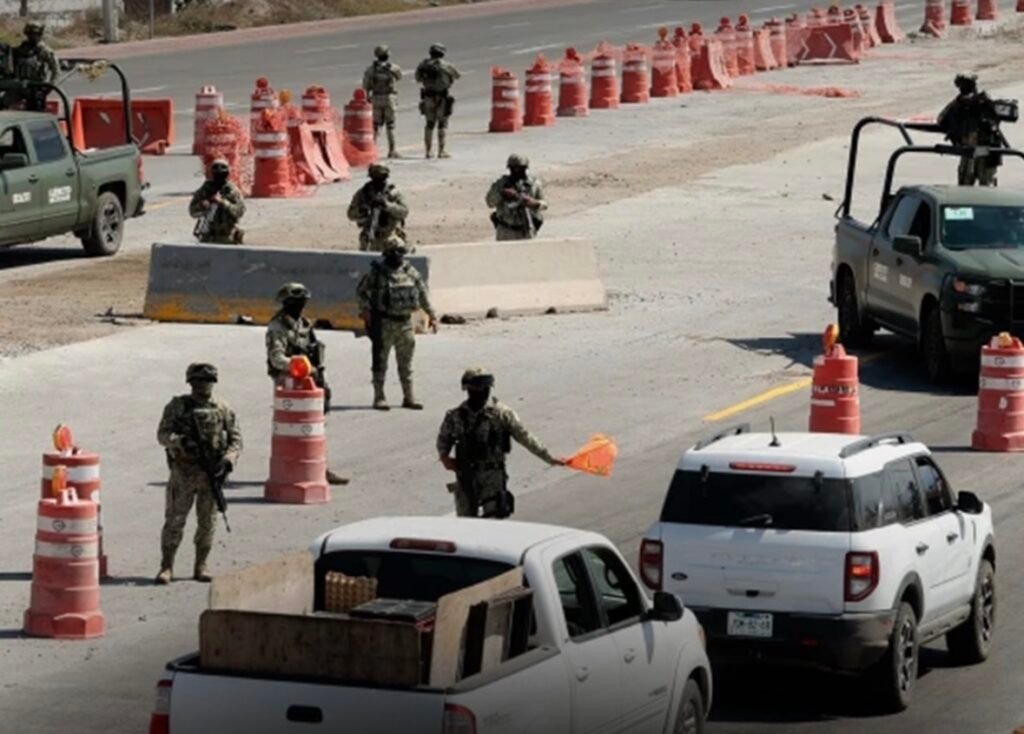
Buses, trailers, and cars have been torched in the streets. Over 75 roadblocks were in place across 20 states in Mexico, with some beginning to clear on Sunday. Airports were not closed, but airlines suspended flights. Air Canada suspended flights to Puerto Vallarta and warned their customers against traveling to the airports. American Airlines waived change fees, with certain eligibility requirements, for customers traveling through Puerto Vallarta and Guadalajara.
The U.S. Embassy issued a warning to U.S. citizens urging them to shelter in place until the road blocks were cleared and security operations were halted.
Why did it happen?
The death of “El Mencho” is a cog in the machine of the Mexican government’s efforts to show the Trump administration its dedication to crack down on cartels.
Karoline Leavitt said on Sunday night that the U.S. “provided intelligence support to the Mexican government in order to assist with an operation in Talpalpa, Jalisco, Mexico, in which” Oseguera Cervantes was killed. Leavitt continued on to say that the administration “commends and thanks the Mexican military for their cooperation and successful execution of this operation.”
In the past, Mexican President Claudia Sheinbaum denounced the strategy of killing the leaders of cartels, citing the violence that ensues without resulting in a decrease in criminal activity. However, the Trump administration has put pressure on Sheinbaum to take a more aggressive approach in order to show results.
David Mora, a senior analyst for Mexico at the nonprofit International Crisis Group, offers a perspective that might explain the Mexican army’s confrontational capture and consequent killing of “El Mencho.” He suggests that it is “signaling to the U.S. that if we keep cooperating, sharing intelligence, Mexico can do it, we don’t need U.S. troops on Mexican soil.”
Effectively, the Mexican army acted with a more aggressive strategy that resulted in an eruption of violence from the cartel in order to keep the U.S. government from deploying troops to their country.
Photos courtesy of social media
