

The Super Bowl, at least for me, is more about the fun snacks and the halftime show, so you can
imagine my excitement when I heard Bad Bunny was the musical performer this year and had plans to make it “as queer as possible.” It felt like a breath of fresh air. As I sat there with my lil smokies and sliders, I watched attentively with expectations of trans representation shaped by the media.
I was hoping to see even one positive portrayal of trans life, yet there were none. Not that there wasn’t opportunity—for example the family of the boy who received a Grammy on stage could have had a trans mother. There could’ve been a single drag queen dancing in the crowd; he could’ve used actual
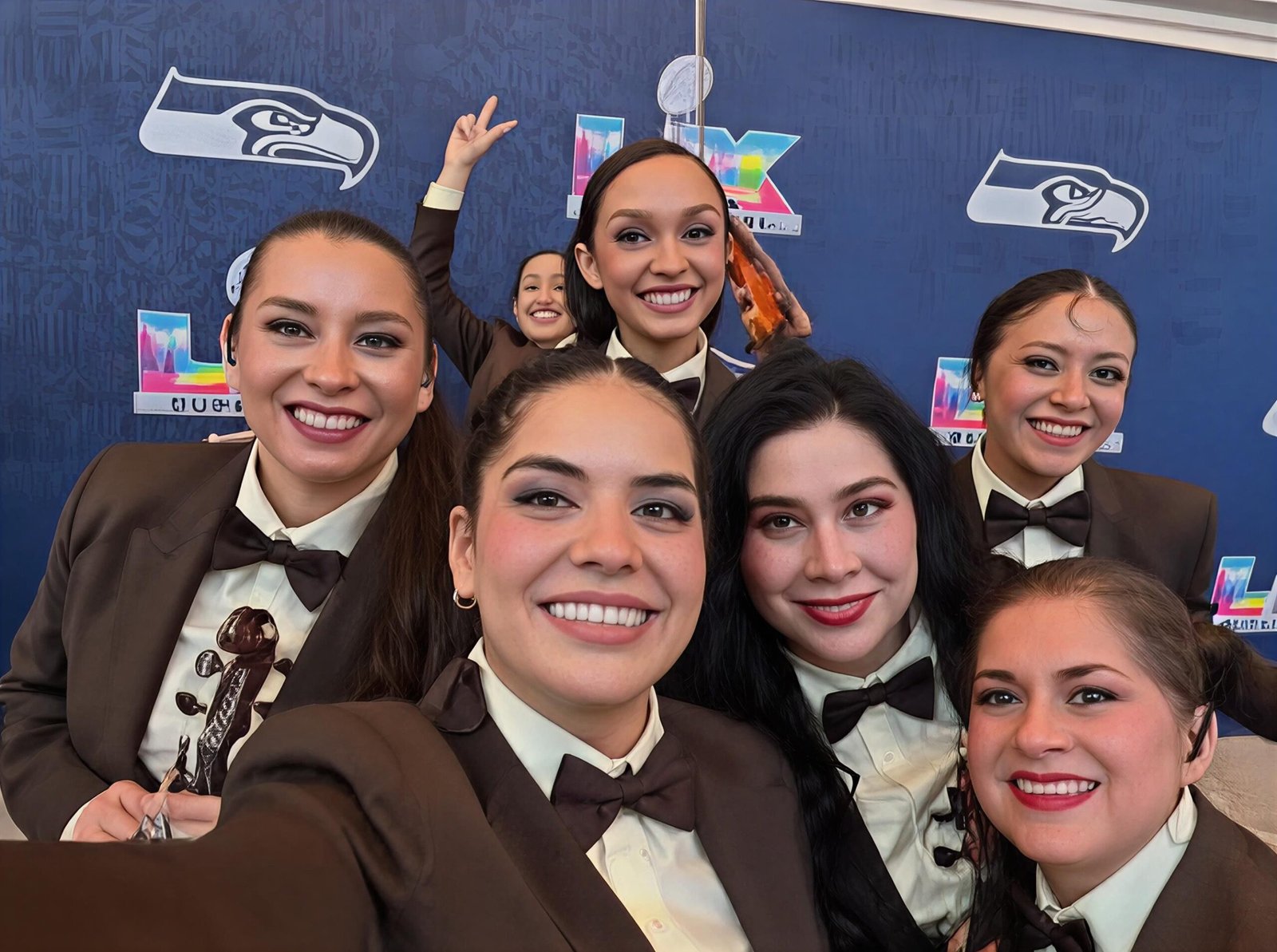
trans men in the tuxedos instead of cis women.
After the next set of commercials aired, I had toleave the party because I was so enraged, it wasn’t going to be a party anymore, at least for me.I couldn’t even celebrate the pure defeat of the Patriots because I was so torn up that an allypromised so much to encourage visibility and normalization, only to create visibility for the same stereotypes the trans community works every day to rewrite. The performance was excellent and the entertainment amusing, but it lit a fire within me that I’m still struggling to put out.
To identify yourself as an ally carries weight. It’s not just standing with a community when it’s
easy; the more important time is when you’re facing the lion of suppression. We need to be
like David and trust the lion won’t consume us, but instead reveal how strong and resilient we
can become. When an ally backs out of the cave instead of joining arms with you, that’s where
the disappointment lies. Because of Bad Bunny’s open allyship, the trans community’s
expectations were set high. It comes down to the inability to consult the community on
experiences he may not know, causing more harm than good to people he stands beside.
It’s not that Bad Bunny isn’t an ally; it’s that he doesn’t live the experience of gender transition, and
that creates pitfalls in moments this large. I still appreciate allies even when they are uninformed
on trans lifestyle—I don’t expect everyone to understand it. The NFL carries its own blame with
standards that seem built to exclude certain people and their pushed efforts to incl.ude Bad Bunny to look more inclusive to all. If the NFL represents America, then any American should be allowed presence in the show.
Cultural tradition was not lacking; yet it became the visual front of the performance—from
Puerto Rican farming to the market atmosphere to the casa and wedding, everything layered in
Latin context. This proves the point further: Bad Bunny comfortably displayed his lived
experience while not seeking perspective from a transgender lived experience.
Overly sexualized dance is also a cultural indicator, yet it becomes damning for the LGBTQ+
community because visible sexuality or intimacy in public already places us under scrutiny. As
much as we try to rewrite the narratives, moments of exaggerated queer sexuality can read as
confirmation to viewers unfamiliar with our lives. In reality, our days look like anyone else’s—errands, cleaning, work, and ordinary social gatherings—not a blur of bodies reduced to
sensation, but community built from conversation, routine, and familiarity.
When representation is rare, meaning becomes displaced. The pressure on performers to
achieve equality-driven representation while still creating spectacle is a delicate balance, and
when restrictions like those the NFL is known for are added, the task becomes nearly
impossible. It’s not entirely Bad Bunny’s fault that further suppression of trans individuals felt
present Sunday night. Public glimpses of our lives matter to change narratives, but when they appear exactly as assumed for years, they reinforce suppression.
This milestone carried hope for normalization, and when reality hit, I felt deeply hurt—like my own social circle could be affected by the negative light shown on TV. It evoked fear and un-belonging after working so hard to find a place where I fit in, all of it threatened by discomfort others might feel toward me,
a girl in a tuxedo shaped by representation provided during the show. Representation that can’t
survive the largest audience becomes conditional allyship, and we have to question motives
across celebrity culture. Lady Gaga’s lyric in “Die With a Smile” echoed that night: “I don’t even
wanna do this anymore.” I don’t want to keep advocating against constant misrepresentation—It feels like swimming upstream while the current pushes me back, like a salmon anticipating the
bear’s grab but still trying to get up the stream.
The memory of this year’s Super Bowl will remain, especially its cultural impact for the Latin
community, but my fear lies in inaccurate representation forming a deeper narrative that the
LGBTQ+ community is only hypersexuality and cross-dressing. When visibility only works in
safe spaces, the world’s largest stage doesn’t reveal who we are—It reveals what still isn’t
allowed.
