

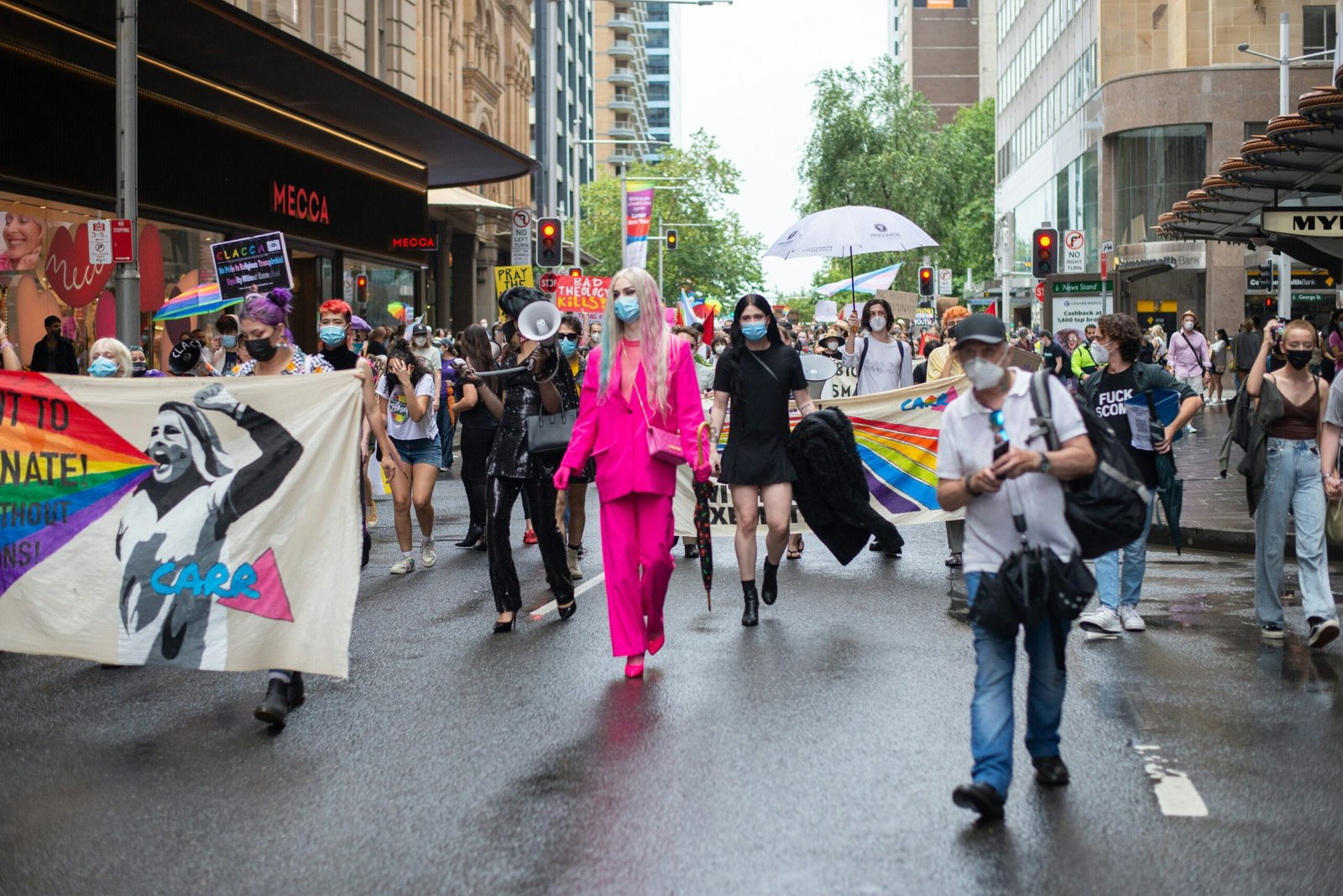
Interactions with police can be stressful for anyone. For members of the LGBTQ community, those encounters may also carry additional concerns about discrimination, misunderstanding, or unequal treatment. While many police interactions are routine, knowing your legal rights can make a significant difference in how a situation unfolds.
Criminal defence lawyers frequently emphasize that the most important thing individuals can do during any police encounter is remain calm, understand their rights, and avoid escalating the situation. Knowing what the law actually allows officers to do, and what they cannot do, can help protect you if you are stopped, questioned, or detained.
Below, several criminal lawyers share key insights about what members of the LGBTQ community should understand about their legal rights when interacting with police.
You Have the Right to Remain Silent
One of the most fundamental rights during a police encounter is the right to remain silent. If police begin asking questions, you are generally not required to answer them beyond identifying yourself in certain situations.
Ahmad Karzai, a Criminal Lawyer with Karzai Law located in Toronto, explains that many people unknowingly harm their own legal position by speaking too freely.
“People often believe that cooperating fully means answering every question police ask,” he says. “In reality, you have the right to remain silent, and exercising that right cannot legally be used against you.”
Karzai notes that individuals should remain polite but firm if they choose not to answer questions. Simply stating that you wish to speak with a lawyer before answering questions is typically the safest approach.
Ask Whether You Are Free to Leave
If police approach you in public, one of the first things you can ask is whether you are being detained.
Rupin Bal, a Criminal Lawyer with Rupin Bal Law Professional Corporation located in Brampton, says this distinction is extremely important.
“Police are allowed to speak with members of the public, but that doesn’t automatically mean you are required to stay and answer questions,” Bal explains. “If you ask whether you are being detained and the answer is no, you are generally free to leave.”
Bal advises that individuals should walk away calmly and avoid making sudden movements or argumentative statements that could escalate the encounter.
You Have the Right to a Lawyer if You Are Detained or Arrested
If police detain or arrest you, you have the right to speak with a lawyer before answering questions.
Akash Dhillon, a Criminal Lawyer with A Dhillon Law located in Brampton, says many people underestimate how important this right is.
“The right to counsel is one of the strongest legal protections available to individuals facing police questioning,” Dhillon says. “Once you ask for a lawyer, police must provide you with an opportunity to speak with one before continuing the interrogation.”
He adds that individuals should clearly state that they want to speak to a lawyer and should avoid answering further questions until they have received legal advice.
Police Cannot Search You Without Legal Grounds
Searches are another area where many people misunderstand their rights. In most cases, police must have legal justification before searching a person or their belongings.
Gurasish Pal Singh, a Criminal Lawyer with GPS Criminal Lawyers located in Brampton, explains that not every police request to search is legally binding.
“Police may ask for permission to search your bag, vehicle, or phone,” Singh says. “But unless they have legal grounds or a warrant, you generally have the right to refuse consent.”
He advises that individuals clearly state that they do not consent to a search if they wish to exercise that right.
However, Singh notes that situations may differ if someone has been arrested or if police have reasonable grounds to believe evidence of a crime is present.
Documenting the Encounter Can Be Helpful
In many jurisdictions, individuals are legally allowed to record interactions with police in public places.
Amar Bhinder, a Criminal Lawyer with Polaris Legal Group located in Brampton, says documenting encounters can sometimes help protect individuals if disputes later arise.
“Recording an interaction can provide an objective record of what occurred,” Bhinder explains. “That can be helpful if there are questions later about how the situation unfolded.”
However, Bhinder cautions that recording should never interfere with police duties.
“You should keep a respectful distance and avoid obstructing the officers,” he says.
Know Your Rights if You Experience Discrimination
Members of the LGBTQ community may sometimes worry about discrimination during police interactions. While laws prohibit discrimination based on sexual orientation or gender identity, individuals may still feel vulnerable in certain situations.
Dalraj Bains, a Criminal Lawyer with Dalraj Bains Professional Corporation located in Toronto, says understanding legal protections is important.
“Police officers are required to treat individuals equally under the law,” Bains says. “If someone believes they have been treated unfairly or discriminated against, there may be legal remedies available.”
He advises individuals to document details of the encounter, including badge numbers, patrol car numbers, and the time and location of the interaction if possible.
These details can be helpful if a complaint or legal action becomes necessary.
Staying Calm is One of the Most Important Things You Can Do
Regardless of the situation, maintaining composure during a police encounter can significantly reduce the chances of escalation.
Calvin Barry, a Criminal Lawyer with Calvin Barry Professional Corporation located in Toronto, says emotions can quickly intensify interactions with police.
“When people feel scared, angry, or targeted, it’s understandable that emotions run high,” Barry explains. “But remaining calm and respectful is one of the most effective ways to protect yourself.”
Barry recommends keeping your hands visible, avoiding sudden movements, and speaking clearly if you choose to communicate with officers.
Knowledge is One of the Best Forms of Protection
For many people, interactions with police are rare. However, knowing your legal rights ahead of time can help ensure that you respond appropriately if a situation arises.
Understanding when you have the right to remain silent, when you can refuse searches, and when you should request a lawyer can make a meaningful difference in protecting your legal interests.
While most police officers carry out their duties professionally, it is always wise to be informed about your rights and responsibilities under the law. For members of the LGBTQ community, who may sometimes feel additional concerns about fairness or bias, legal awareness can provide an extra layer of confidence and protection.
If you ever find yourself unsure about your rights after a police encounter, speaking with an experienced criminal defence lawyer can help clarify your legal options and ensure that your rights are fully protected.
