

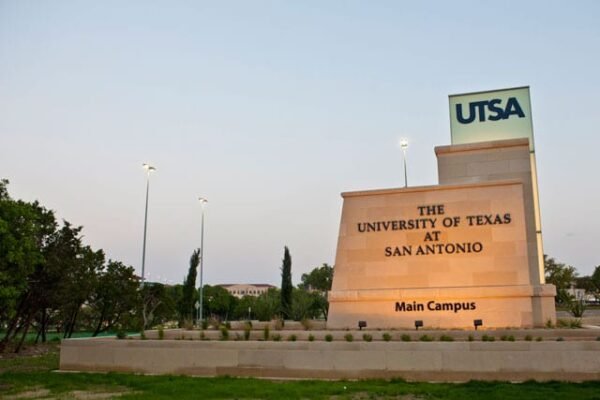
The University of Texas at San Antonio is forcing students out of their housing arrangements due to a new transphobic bathroom ban.
Texas Senate Bill 8, coined “The Texas Women’s Privacy Act” and referred to as the “bathroom ban,” was initially intended to prevent trans people from using whatever bathroom their gender aligns with. The bill separates bathrooms in taxpayer-funded buildings (schools, airports, city buildings, and more) based on sex assigned at birth as opposed to gender identity. This forces trans people to out themselves and otherwise puts them in danger in public spaces. Texas Republicans were pushing for this bill to pass for 10 years, now finding unfortunate success under the current administration.
Originally, the only intended target of this bill was trans people, but it is also affecting others—including students at the University of Texas at San Antonio (UTSA). The bill prevents students from sharing bathrooms with dorm-mates if they do not share the same sex assigned at birth, as the university is taxpayer-funded. Thus, students are being made to move out of their housing to comply regardless of being trans or not. This is separating siblings, couples, close friends, and safe communities for students. Katarina Rendon, a UTSA student who lived in mixed-gender housing, chose this housing option to feel safer and more understood. She is not trans, but she is LGBTQ+ and has felt comfortable with her mixed-gender living situation. Rendon shares: “I have never felt unsafe; my roommate does not feel unsafe.”
Though transphobia shouldn’t have to affect cis people for it to be taken seriously, this situation is showing how this harms even more people than Republicans think. It starts with targeting trans people, but then what? Brian Klosterboer, senior staff attorney for the Texas ACLU, shares how Texas Senate Bill 8 will be dangerous for a lot of people. He says: “We’re still very worried that it’s gonna lead to a lot of harassment against trans people in particular, but also against any person who maybe looks too masculine or too feminine, or someone just wants to report them to the police or to a local entity.”
Who gets to be the deciding force in these spaces? Who gets to determine if someone “looks” trans, or how women and men “should” look and present? More and more, anti-trans and anti-LGBTQ+ rhetoric in general is extending its reach to everyone, regardless of identity. If you are familiar with the poem First They Came, slowly but surely, everyone becomes a target—and there will be no one left to stand up for those who stayed silent once they’re a target too.
