

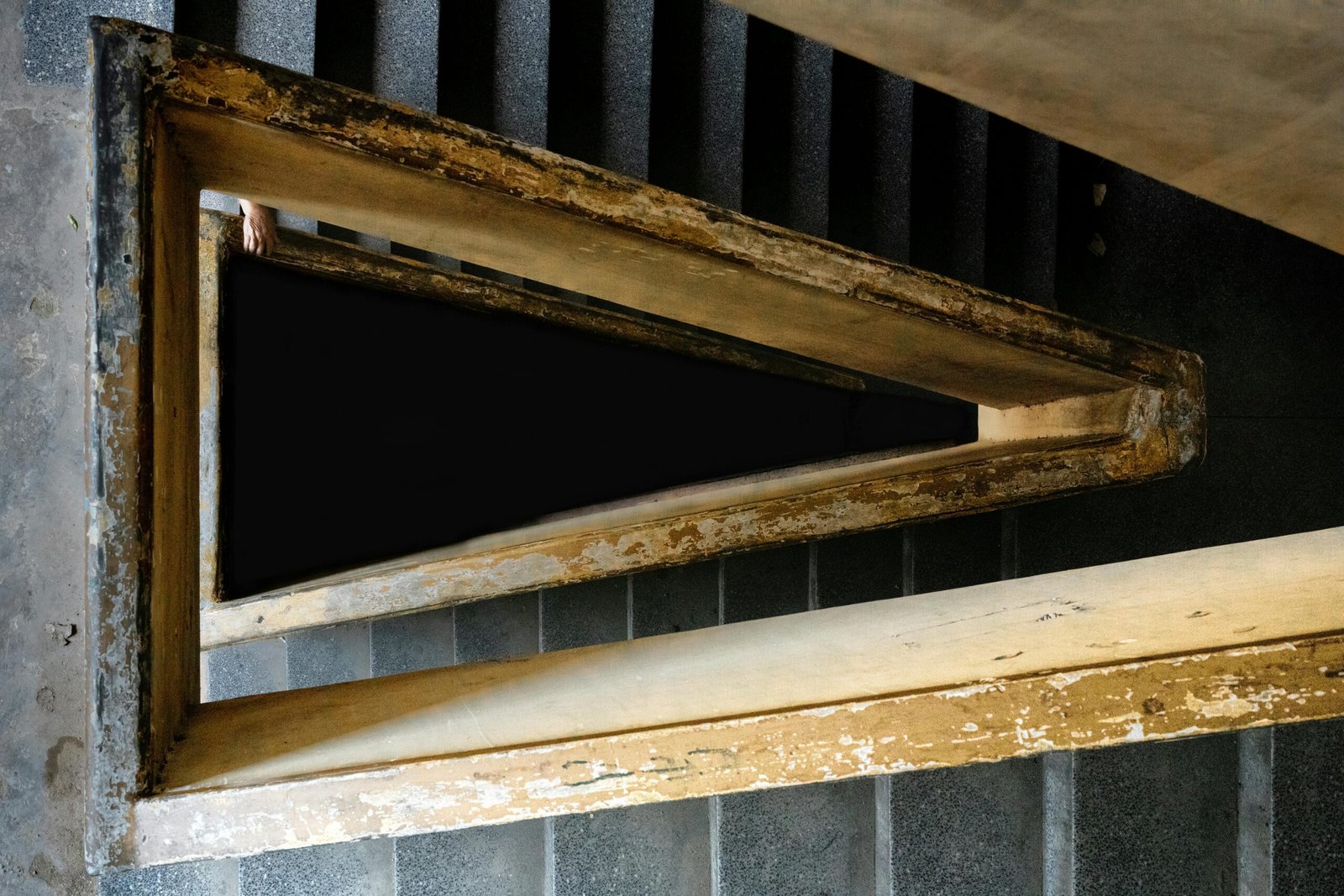
Shared housing can feel a lot less stressful when you know exactly what your landlord is responsible for, especially when it comes to common areas like hallways, stairwells, and shared entrances. These spots are usually where problems pop up first. Think poor lighting, loose handrails, broken stairs, or that mystery leak no one wants to claim. Understanding your rights makes it easier to keep yourself safe and confidently push back when something feels off.
Why Common Areas Matter So Much
Common areas sit in a legal sweet spot. You use them all the time, yet you have zero control over repairs or upkeep. When something goes wrong, it’s usually the landlord’s responsibility to fix it.
According to reporting by the Washington Post, even large property owners face major consequences when they ignore dangerous conditions. Their coverage of a record housing judgment shows how serious courts can be when tenant safety is repeatedly overlooked.
So what does this mean for everyday renters?
Key things your landlord must stay on top of:
- Adequate lighting in hallways and stairwells
- Safe, stable stairs and railings
- Clean, unobstructed walkways
That might sound basic, but these are the exact areas where injuries happen most often.
Documenting Issues Without Stress
When something feels unsafe, the first step is to document it clearly. A quick video of flickering hallway lights or photos of a loose step can make a world of difference if things escalate later. Just make sure you’re doing it without capturing other tenants in a way that violates their privacy.
This is also where your understanding of legal outcomes can help, with a focus on those that apply where you live. For example, if you’re a New York resident, then researching noteworthy slip-and-fall injury verdicts in NY demonstrates how courts view landlord negligence, especially when a hazard is ignored long enough to cause a serious injury. Exploring patterns in these cases helps you recognize which issues are more urgent and how judges evaluate evidence.
If your landlord pushes back, calmly providing timestamps, written requests, and clear photos makes it hard for them to brush you off. And if the situation involves multiple safety complaints, other tenants might be experiencing the same thing.
Knowing When a Dispute Becomes a Liability Problem
There’s a difference between a minor annoyance and a legitimate safety issue. Broken entryway locks, collapsing steps, and persistent leaks can quickly shift from inconvenience to liability. In fact, some of the most widely reported cases come from buildings where these problems dragged on for years.
The New York Post highlighted an example involving severe neglect in New York City apartments. Their reporting shows how unsafe conditions in shared spaces can spiral into much bigger legal consequences for landlords who fail to act.
Even with the recent change in leadership, positive impacts tend to take time to filter through from the top. So it still pays to stay vigilant about housing issues.
Final Thoughts
Being a renter in shared housing doesn’t mean you have to tolerate unsafe conditions. A bit of documentation, a solid understanding of your rights, and awareness of how courts treat negligence can go a long way. And if you’re ever unsure whether a hazard is serious enough to report, it probably is.
If you found this helpful, keeping an eye on local housing news and tenant guides can give you even more confidence in navigating these situations.
