

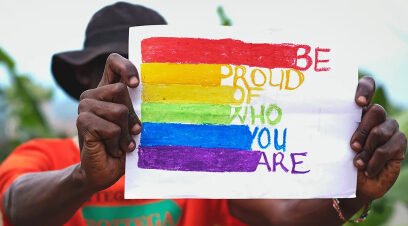
Laws suppressing LGBTQ+ individuals in Uganda are worsening health outcomes and fueling the spread of HIV. British colonization, which ended in 1962, established laws criminalizing acts their Victorian morality defined as sodomy. After independence, these laws changed little, especially those regulating private and “sensitive” behaviors. Tensions escalated in 2007 when cabinet member David Bahati introduced legislation criminalizing sexual acts between same-sex partners, proposing the death penalty as punishment.
The law also made it a crime to know of such acts and fail to report them, and it criminalized any advocacy, healthcare support, or services affirming LGBTQ+ people. Political leaders, viewed as national models, effectively legitimized hatred and bigotry, giving society reason to judge and ostracize members of the LGBTQ+ population. Some U.S.-based anti-LGBTQ+ groups fueled this power shift, spreading falsehoods and inflaming fear to consolidate influence.
In 2014, the death penalty provision was struck down on a technicality, not on moral or human rights grounds. Advocates feared a resurgence, and their concerns proved justified when the 2023 Anti-Homosexuality Act passed, reinstating severe penalties and making life for LGBTQ+ Ugandans even more precarious. Landlords revoked housing citing restrictions on supportive services, leaving many homeless and compounding health risks already neglected by medical providers wary of being accused of “promotion.” The government has fostered a climate of moral panic and social control, suppressing a vulnerable population—an eerie echo of historical systems that justified extreme oppression to enforce ideological conformity.
This isn’t abstract for Samuel, a 25-year-old gay man in Kampala. He keeps his identity secret from everyone close to him. Dating or joining support groups would put him in danger. He avoids clinics because routine HIV testing could expose him, and even obtaining condoms or lubricant is risky in such a scrutinized environment. If he meets another man discreetly, condoms are scarce, and secrecy makes negotiation tense. Without access to PrEP or regular testing, a single unprotected encounter carries significant risk. Samuel’s casual partner is also afraid to seek care, so neither knows their HIV status.
When Samuel develops a persistent fever and weight loss, he delays visiting a clinic, hoping it’s nothing serious. Eventually, he must risk exposure, medical records, and potential legal consequences to access treatment. Survival depends on luck—luck to avoid arrest, and luck to receive proper, timely care. Samuel is not alone. But the reality is stark: When fear governs every choice, health deteriorates, HIV spreads unchecked, and lives are needlessly endangered. Uganda faces many challenges as a fractured and fragile nation, yet what it most urgently needs is not more laws of punishment, but a culture of protection and care, where people like Samuel can access healthcare without fear, live openly without threat, and receive the support that allows them to survive—and even thrive. Until that happens, the consequences of hate are not abstract; they are felt in every clinic, every household, and every life made precarious by fear.
