


Thirteen Hours with LaRussell: Inside the $1,000 Backyard Event Rewriting the Playbook for Live Shows



When the invite landed for Bay Area rapper LaRussell’s $1,000 Backyard Show, I had to read it twice. Press access. Vallejo. His mom’s house. I’ve followed LaRussell for years as a fan of his music, but also as someone fascinated by the machine he’s built from scratch. The discipline. The transparency. The refusal to play the industry’s game. So when the chance came to see all of that up close, I cleared the calendar.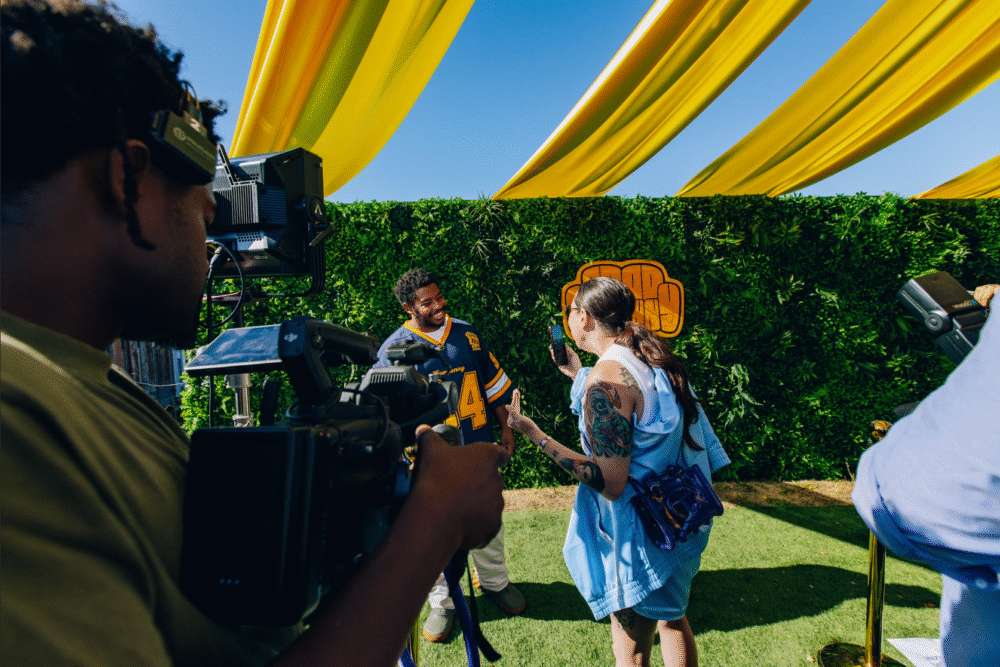
Here’s what that thousand-dollar ticket really meant: a private backyard concert at the home LaRussell grew up in, an open Q&A with the artist himself, and a shared dinner at the end of the night. Guests received a merch bag, a live vinyl and CD, a personal thank-you call, and, most notably, lifetime access to all future shows. There were royalties tied to the live album. Equity in the upcoming documentary. A seat at the table; a seat with weight, meaning, and memory.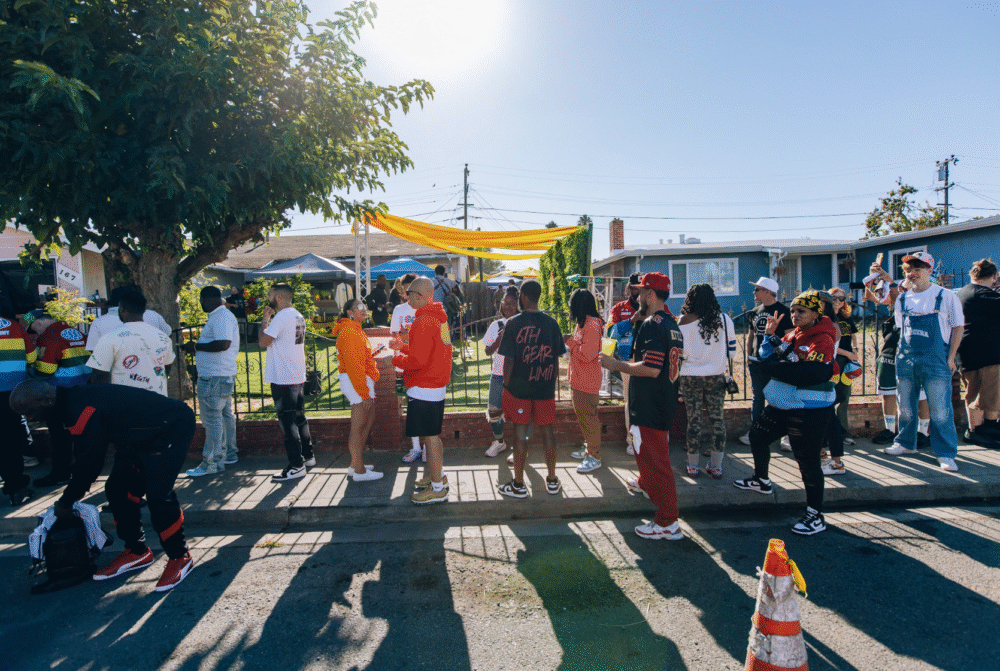
The address wasn’t some hillside estate or secret warehouse. Just a quiet, working-class street in Vallejo, California, on the edge of wine country. A ranch-style home with a front yard transformed into a full-scale production. There was a red carpet setup with press signage, a custom floral photo throne, and branded banners stretched across scaffolding. It had the finish of a professional event without pretending to be anything else. The garage was flanked by merch tables for Good Compenny, his label and lifestyle brand, stocked with more variety than most touring artists offer. Cal State-inspired jerseys in blue and gold were everywhere. Fans wore them like team colors.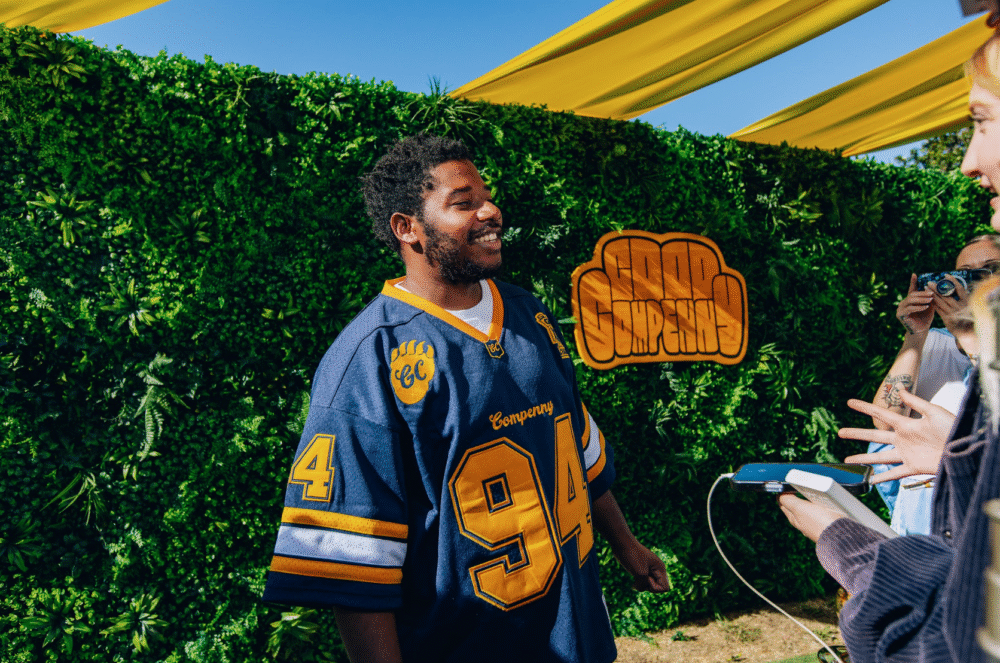
The ticket price wasn’t about exclusivity, it was a more of a boundary. LaRussell finally charged what he believed the experience was worth. And it worked. Half the spots were reserved for lifetime ticket holders, but the rest sold out within hours. The next morning, he added a second show. That one sold out too. This wasn’t a novelty, nor a bet. Everything about the setup was intentional. Restroom trailers lined the street. A police officer was hired to keep the scene respectful. The house itself had been repainted and wrapped in murals. LaRussell’s childhood home was respectfully transformed into a shrine to the story that brought everyone there.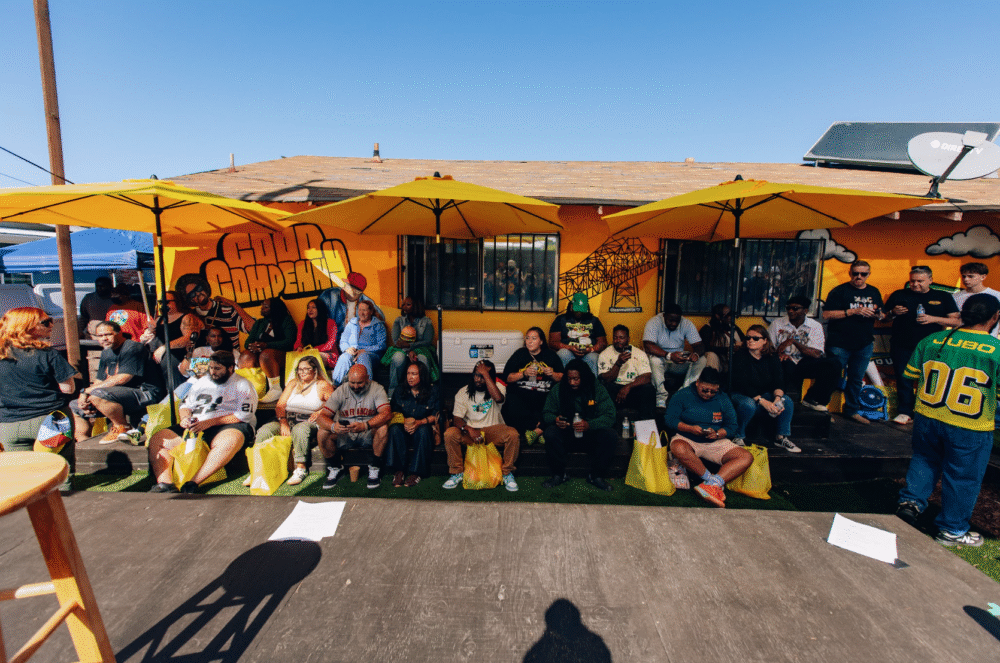
On the curb, low riders coasted by in slow procession, like an unofficial car show. Locals stood beside fans who had flown in from across the country. South Carolina. Indiana. Mexico. One woman told me she’d been to ten LaRussell shows. She’d once weighed over 500 pounds, and said the music gave her a reason to fight for herself again. As we talked, his mother walked past and hugged her, and myself. She hugged everyone.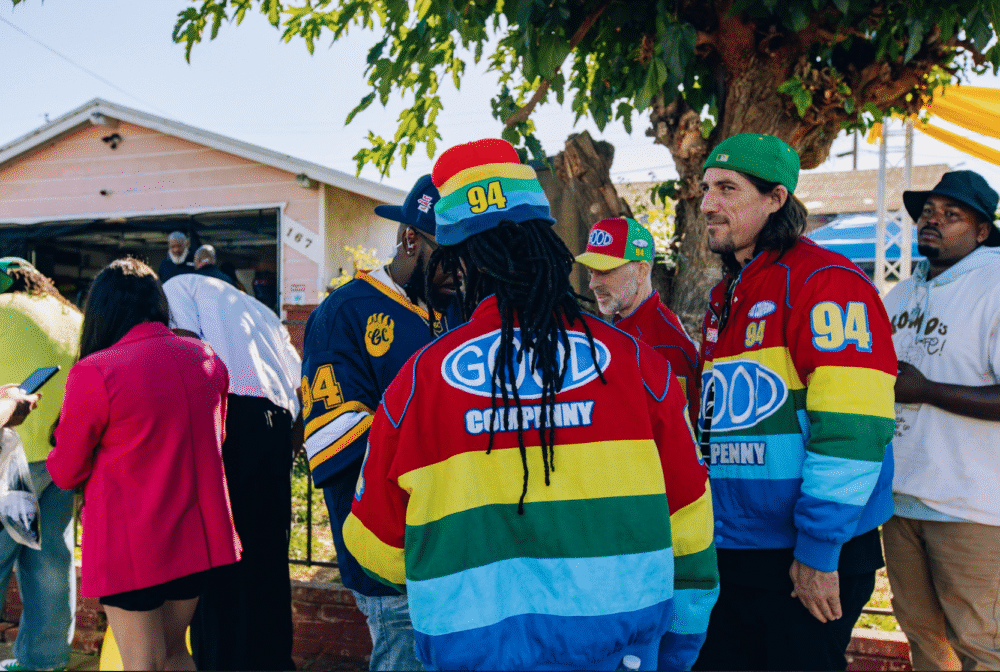
From the sidewalk to the backyard, everything pulsed with care. That’s what stood out. Not scale. Not money. Care. Even the press had designated space. My name was on a sign, posted at the edge of the red carpet. Accounted for, not shoved to the side.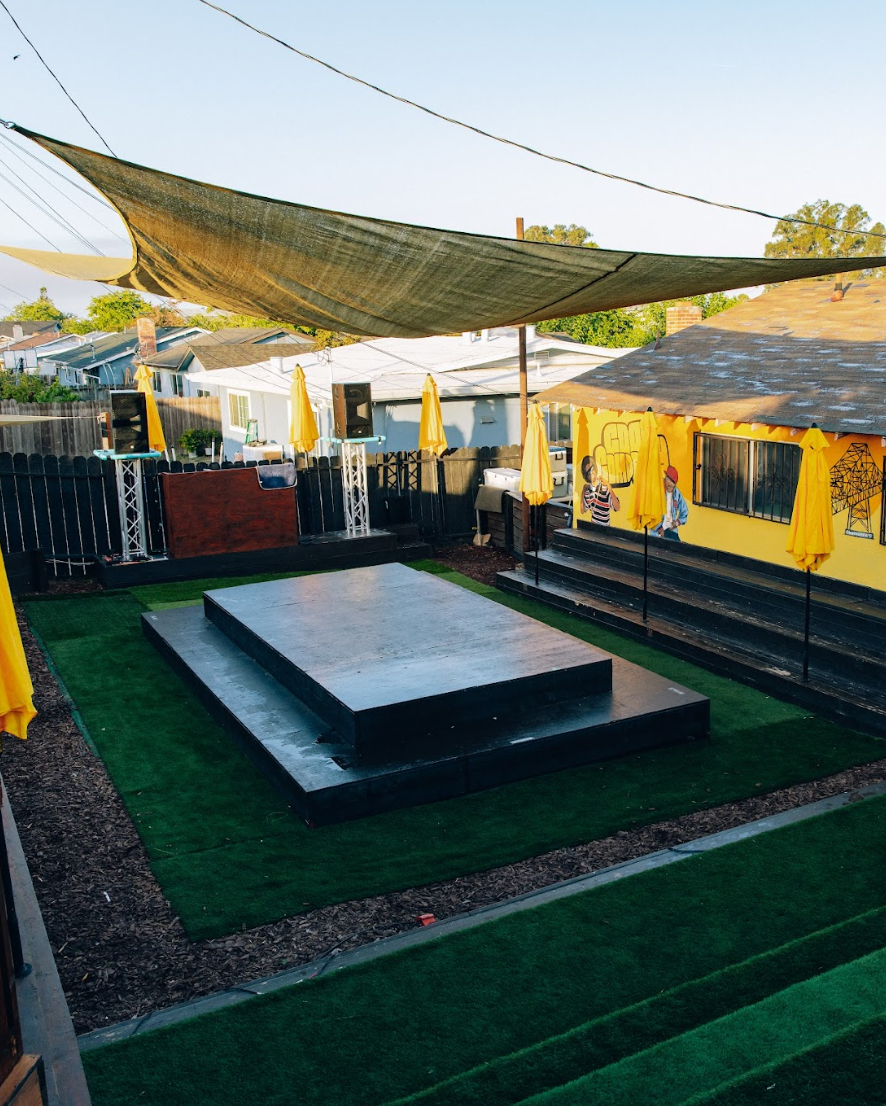
Before the first show, LaRussell stepped out to speak with media. No hype. Just direct answers. He said the concept came to him all at once, like a download. After years of attending shows where the artist was unreachable, he decided to flip it. What if you could go to a concert and leave feeling like you were part of something? Not just entertained, but seen. What if the artist invited you into their world, without filters, without handlers?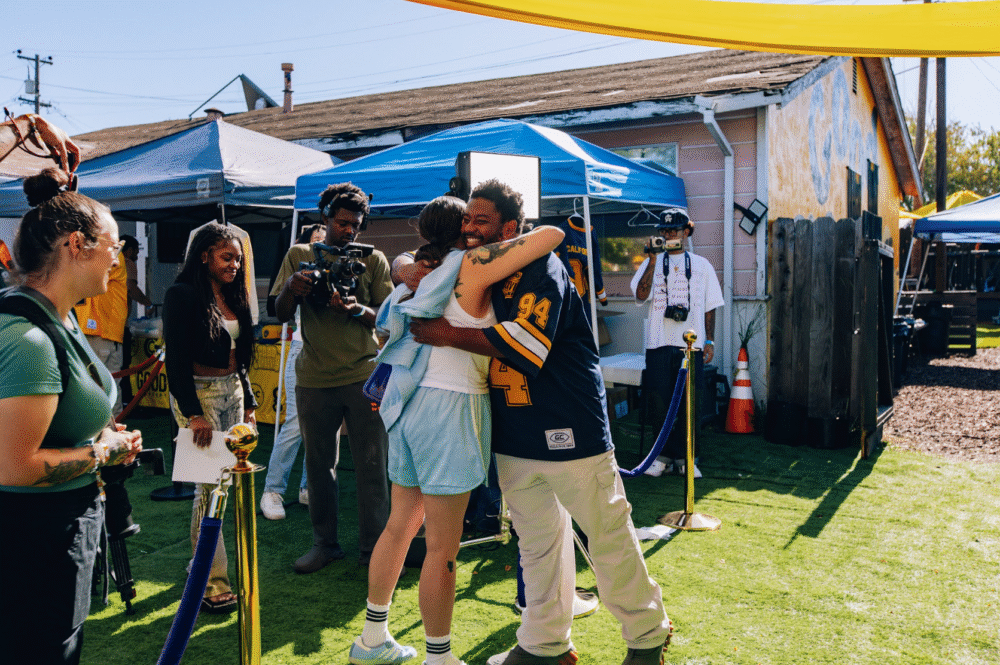
He and the band had just gotten back from a late-night show in Southern California. They rolled in around four in the morning, grabbed a few hours of sleep, and got up to host two sold-out shows at home. No delays. No outsourcing. Just execution. “Ideas are cheap,” he told us. “The work is what counts.” By midday, the crowd had settled into a rhythm. They weren’t spectators. They were in it, fully present. Singing, shouting, holding each other. The backyard was less a venue more than it was a vessel and fans weren’t merely there as spectators. They were part of the design.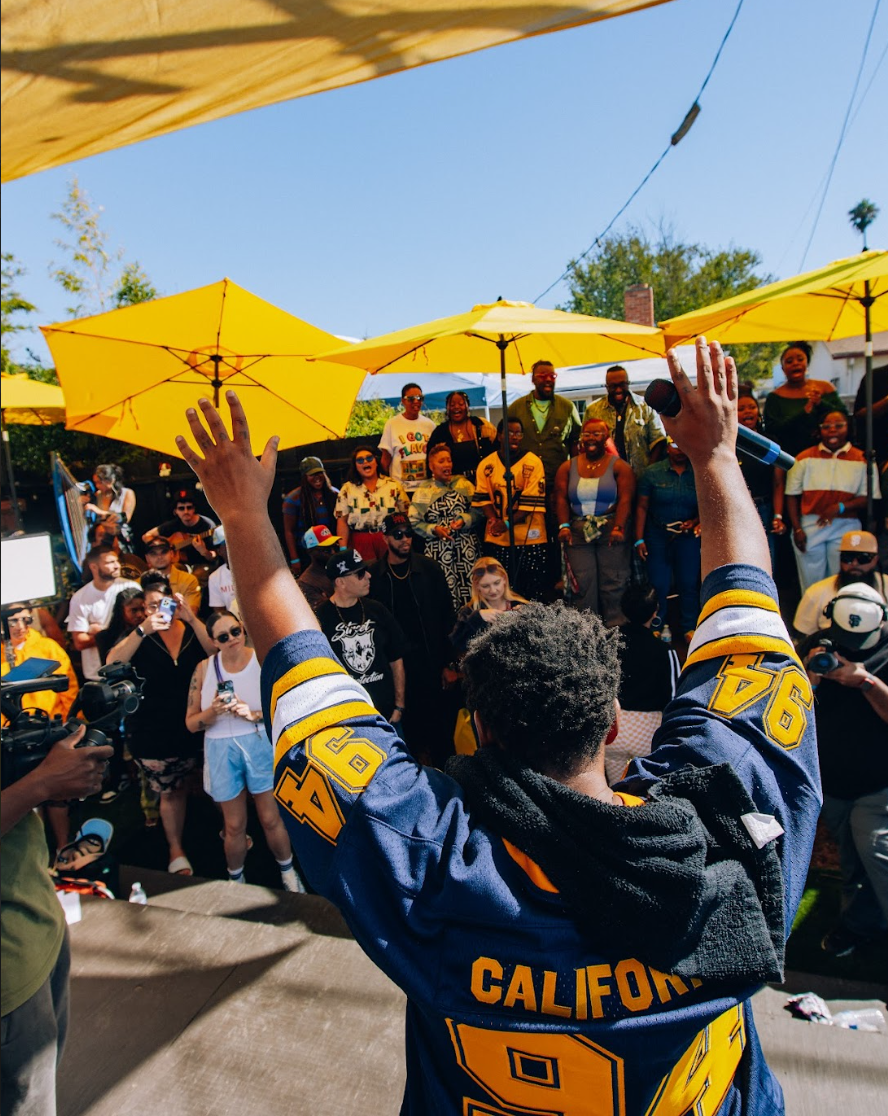
There wasn’t a corporate sponsor in sight. No brand placements. No smoke and mirrors. Just the proof that if you build something real, people will find it. If you treat people like they matter, they’ll return the favor. And that’s what LaRussell has done. From Vallejo. From his mama’s house. Built it. Earned it. Opened the gates.

No middlemen. Just music. Just people. Just heart.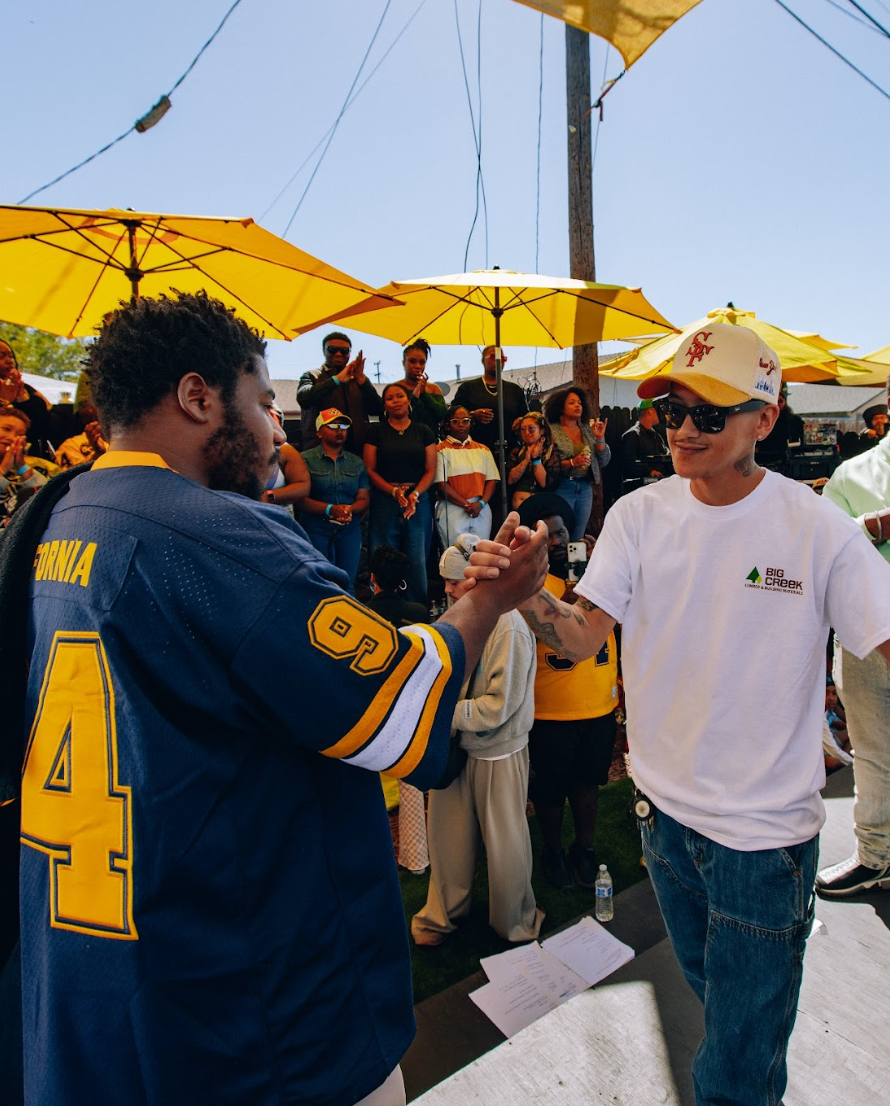
Speaking with more guests throughout the day, it became clear that the audience hadn’t just come from nearby. One guest had flown in from North Carolina. Another, also from North Carolina. A raffle winner had come in from Miami. And there was a family of three from Oakland, parents and their son, who were lifetime ticket holders and had been attending shows for years. People were excited to talk about why they’d made the trip. Some spoke about being inspired by LaRussell’s work ethic. Others pointed to his message, his leadership, or just the energy that surrounded anything he built.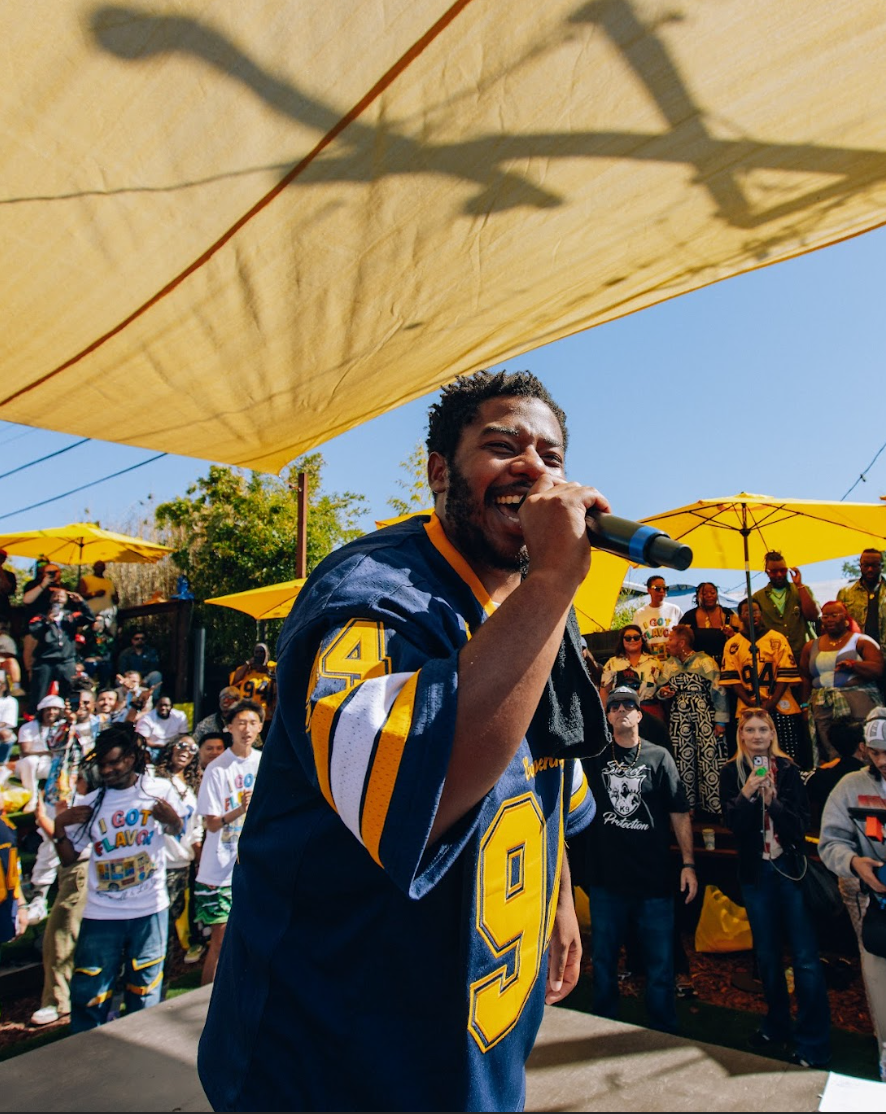
When I asked that Oakland family why he mattered to them, the answers came fast. They talked about his consistency, about how his values made space for community, for family, for daytime events that didn’t revolve around alcohol or late-night chaos. His shows felt aligned with how they were trying to live. The structure of the day, the all-ages welcome, the emphasis on being present, that all mattered.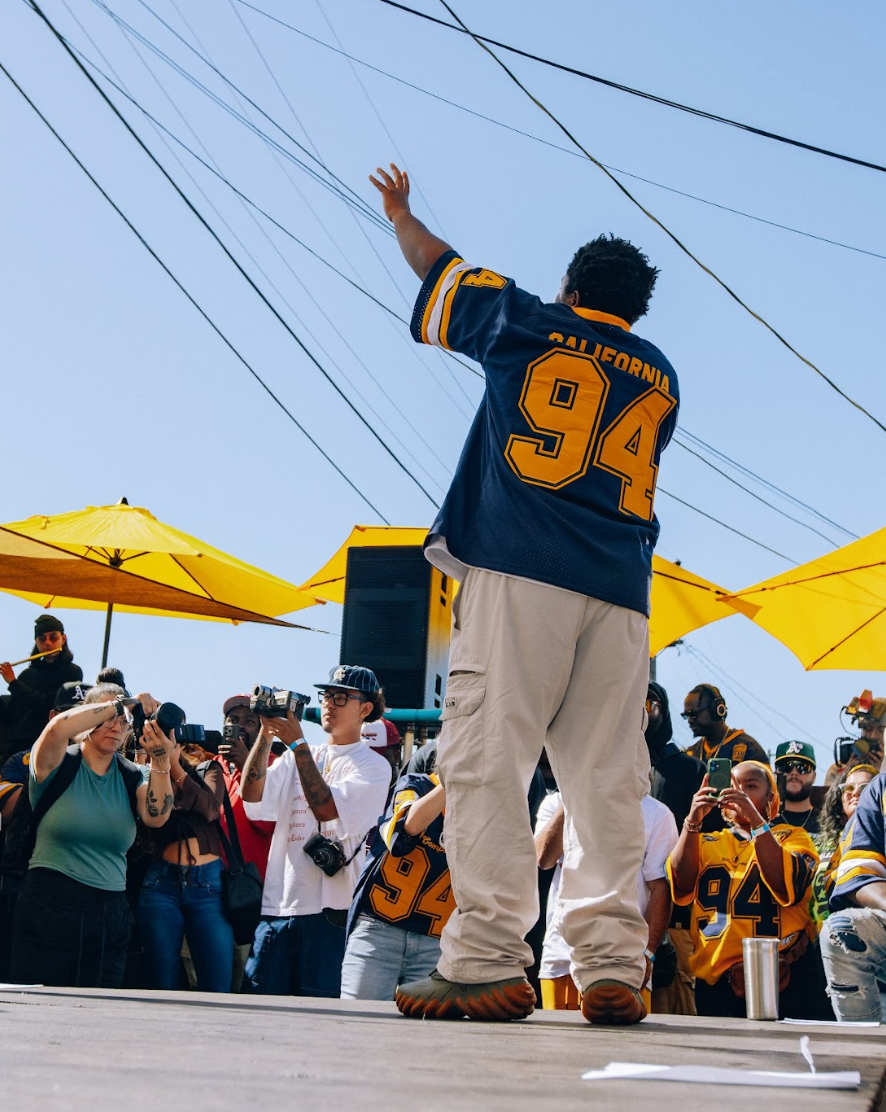
As the conversations kept unfolding, I started asking people what they thought it meant for different communities to show up for each other right now. One person pointed out that both hip-hop and queer culture were born in the margins. Before the big stages, you had to go to someone’s backyard. You had to find the house party, the basement, the borrowed space. That was the root. Being here, in LaRussell’s mother’s backyard, felt like being back at the origin. Not for the sake of memory, but because this is where it still happens. Movements don’t begin on stages. They start wherever people have no choice but to make room for each other.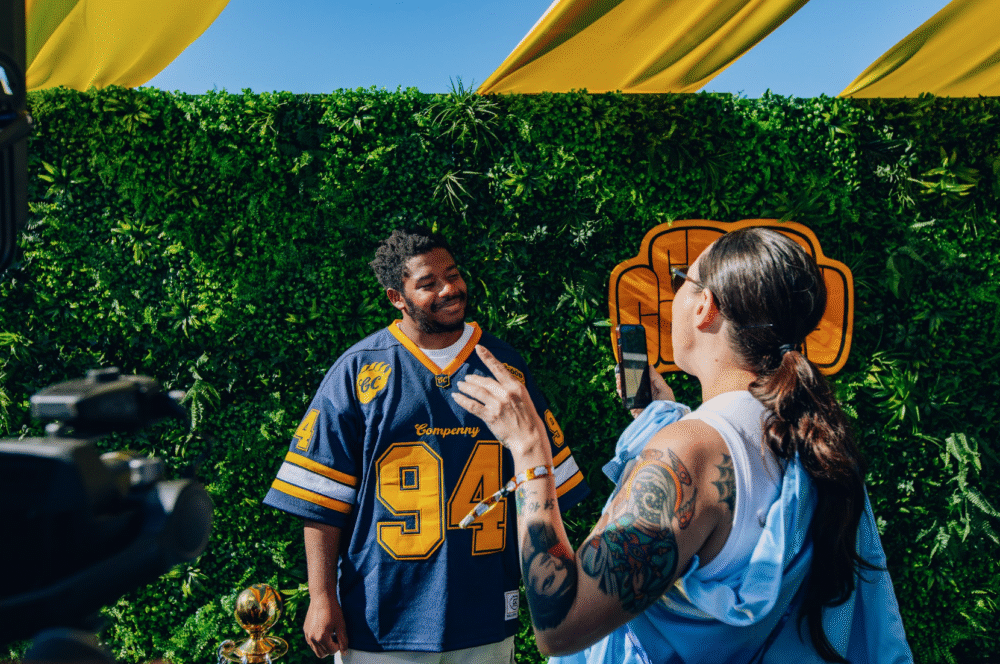
When I asked LaRussell the same question, why that cross-community support matters, he didn’t hesitate. He said this is how it’s always been. People uniting around shared purpose. That is how empires were built. That is how people made it through. You show up, you link with others; you offer what you have, and you take care of each other. Whether the moment calls for joy or for protection, you don’t do it alone.

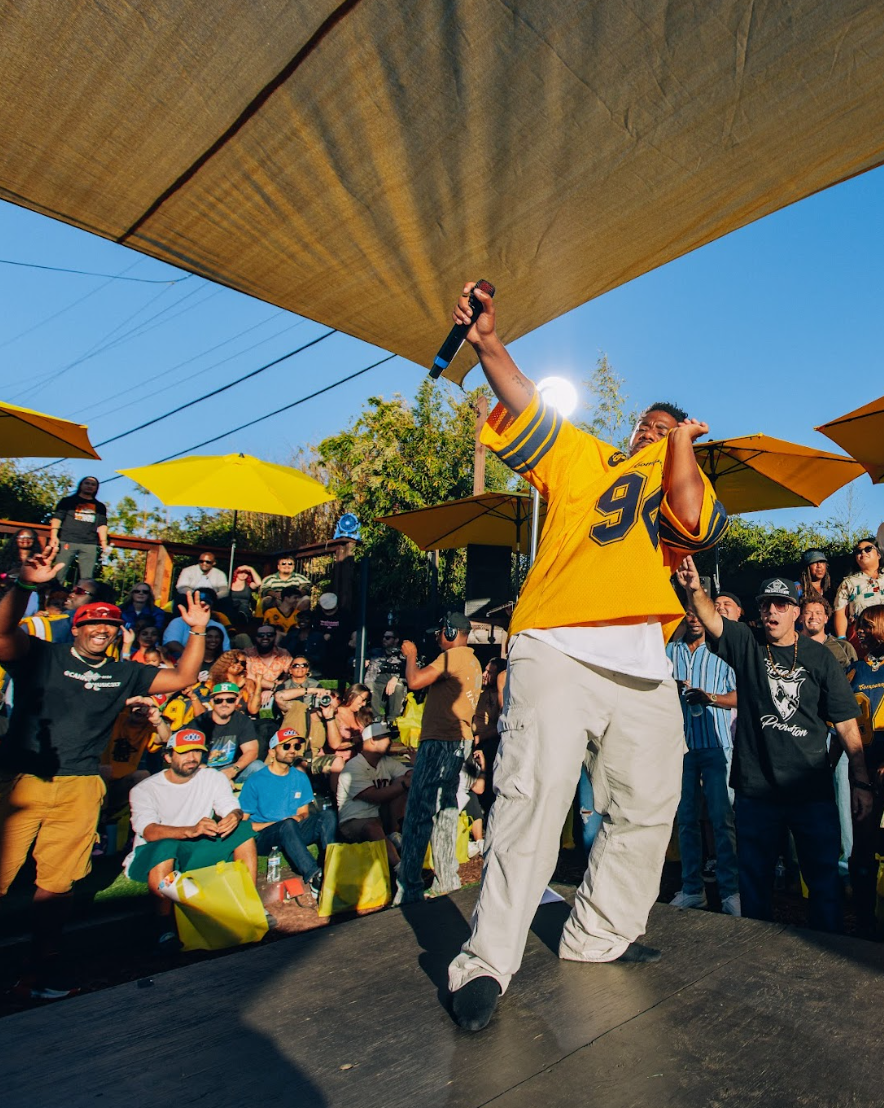
Once the crowd was allowed into the backyard, the full scene revealed itself. Homemade bleachers had been built into the slope, ten tiers high and covered in green turf. Yellow umbrellas dotted the edges for shade. The Collab Choir stood aligned against the back fence in coordinated outfits, and tucked quietly behind them, a harpist played delicate runs as people found their seats. The sun hit just right, warm but forgiving, casting everything in a gentle glow. Neighbors peered over fences; some perched on ladders or chairs for a better view. It didn’t feel like a thousand-dollar concert was about to begin; the vibe was more like a Sunday morning at church.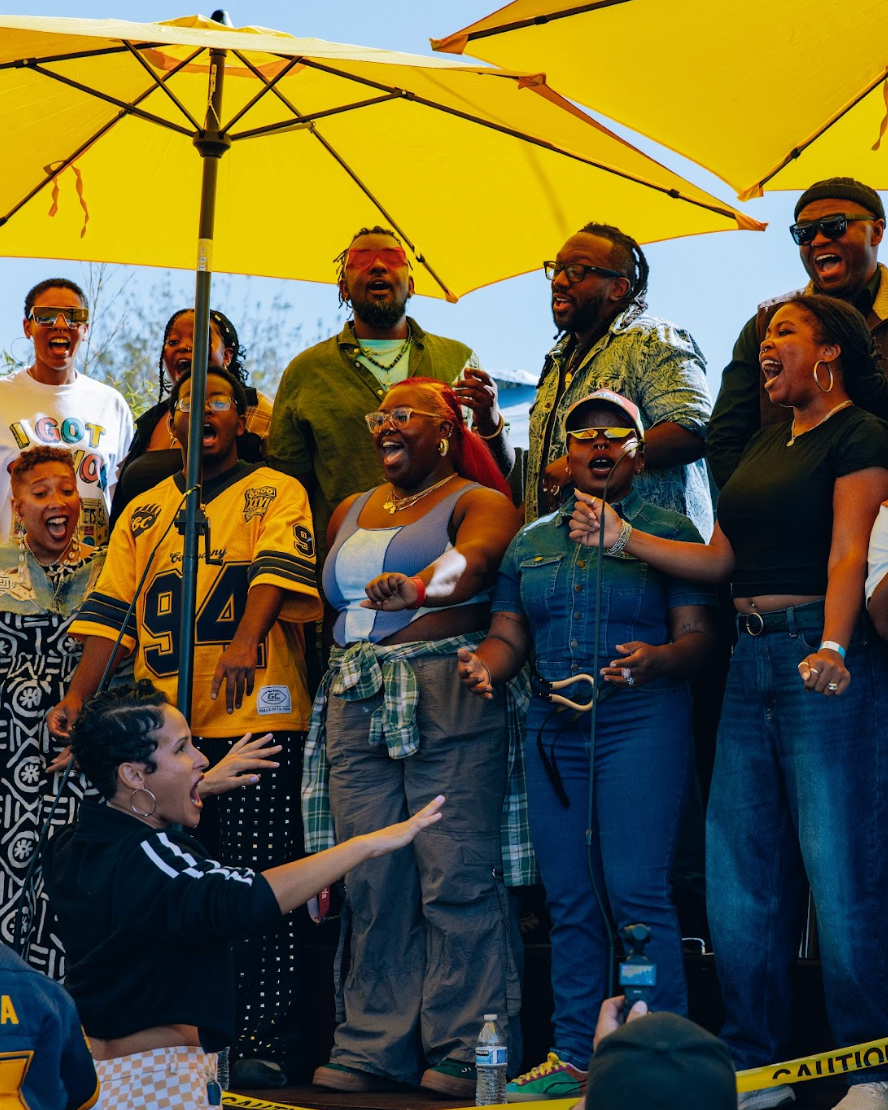
Between songs, LaRussell kept speaking. At one point, he mentioned he was working on a Broadway show about his life. He also opened the floor to questions from the audience. That’s how we found out why he changed his name back to LaRussell. He used to go by the moniker Tota Shakur. But after seeing 2 Chainz receive an award with his stage name printed on it, he started thinking differently. He wanted to honor the name his parents gave him. So he returned to it.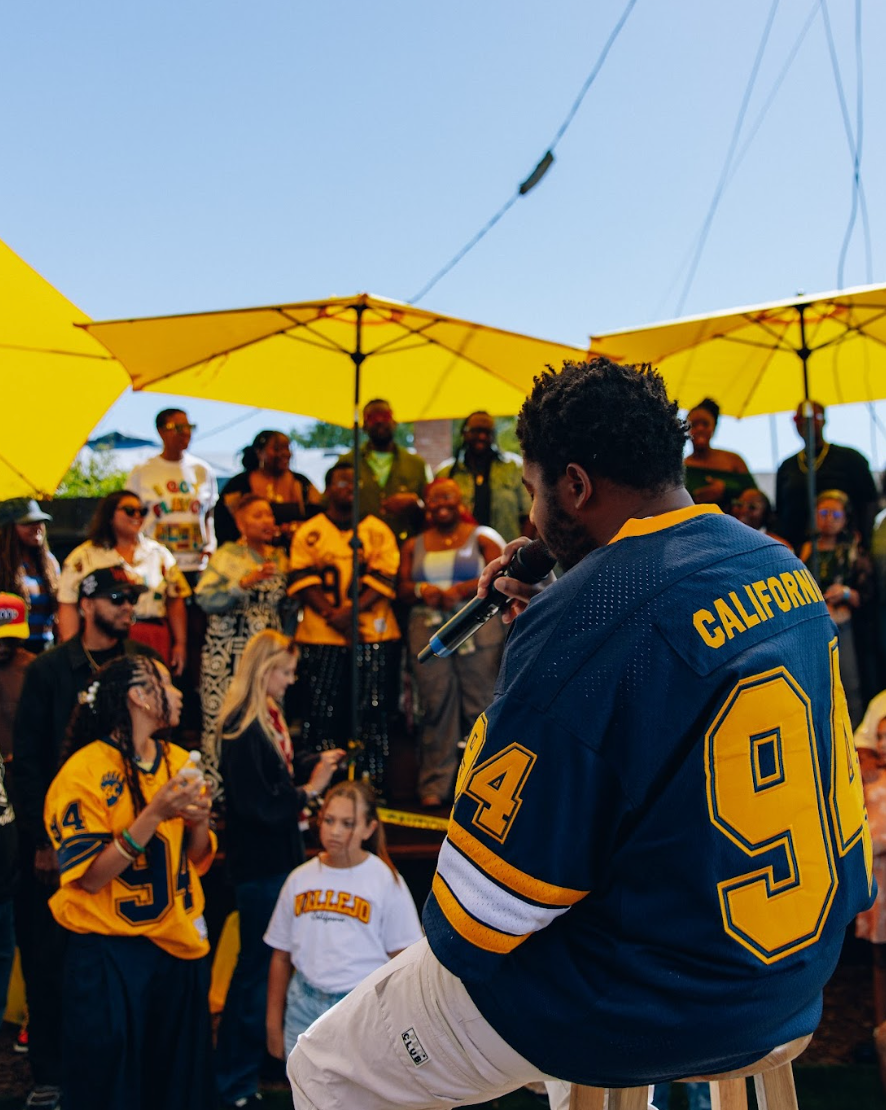
Most rap shows are built around bravado. They’re designed to elevate the myth, to show off. Fast cars, big houses, watch the throne. LaRussell does the opposite. He talked about struggle. About what it really takes to get here. About how most of what gets sold is just surface. He gave flowers in real time. He told us how it started with just him and his DJ in the garage, and how eventually they brought in a keyboardist, and then the choir. He said sometimes he forgets it isn’t just his journey. That all those people show up without complaint as if it’s their story too. He said he’s grateful for that.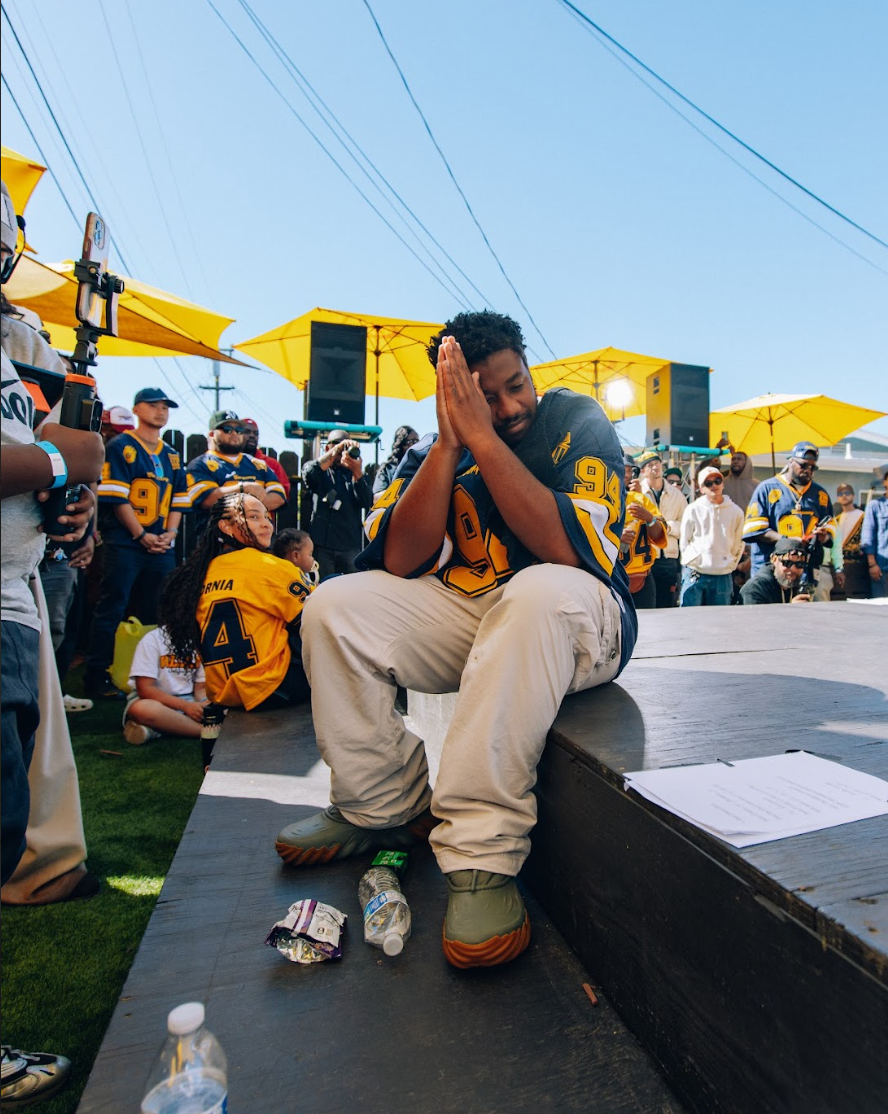
He talked about the way the industry can turn on you overnight. One day you’re hot; the next you’re not, and it doesn’t matter how consistent you’ve been. Perception is fickle. He said it with a kind of casual disbelief, like he’d seen it too many times to be shocked by it anymore.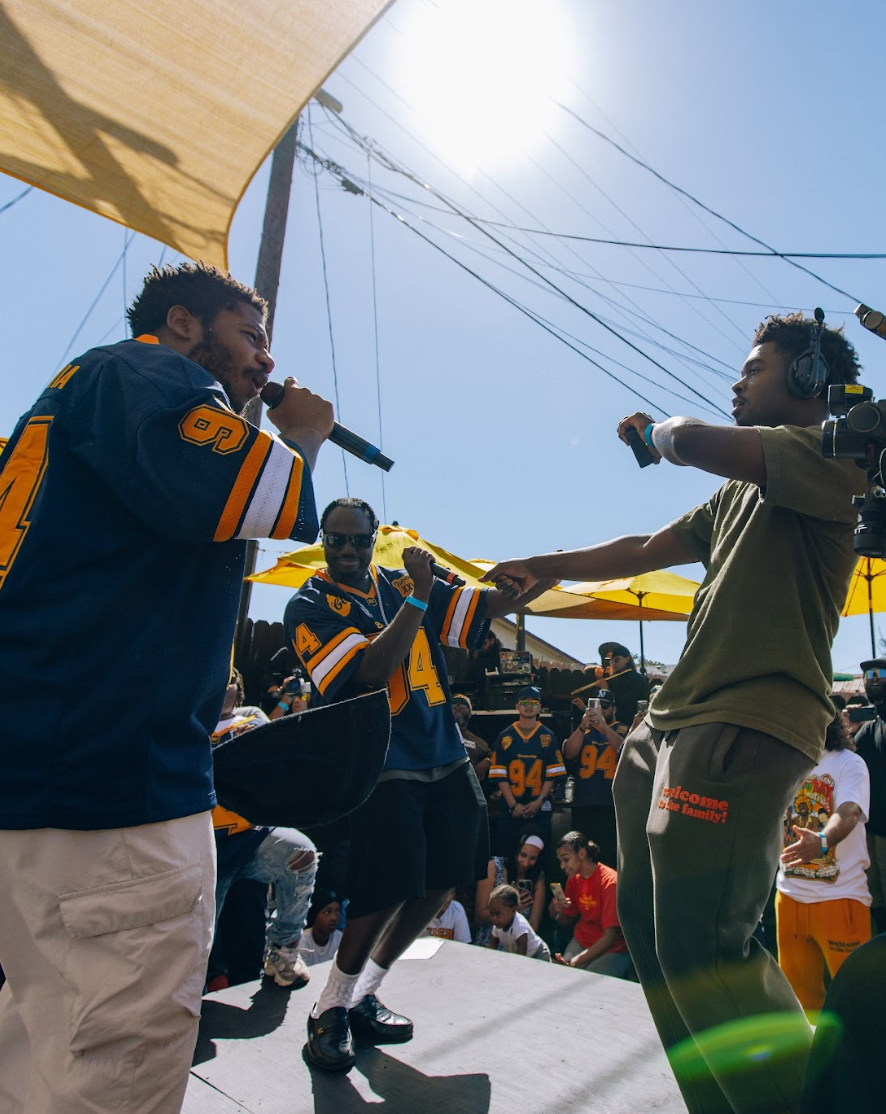
Meanwhile, his videographer and photographer were both working under the sun, and under studio lights. And yet between shots, they were dancing on stage with him. Not behind the camera. On stage. Dancing. Smiling. Celebrating. In most productions, that would be considered unprofessional. You’re there to document, not participate. But here, the rules were different. It was clear the crew came first as people, not just staff. The culture was care before protocol. You could feel it in the way they worked, and the way they moved.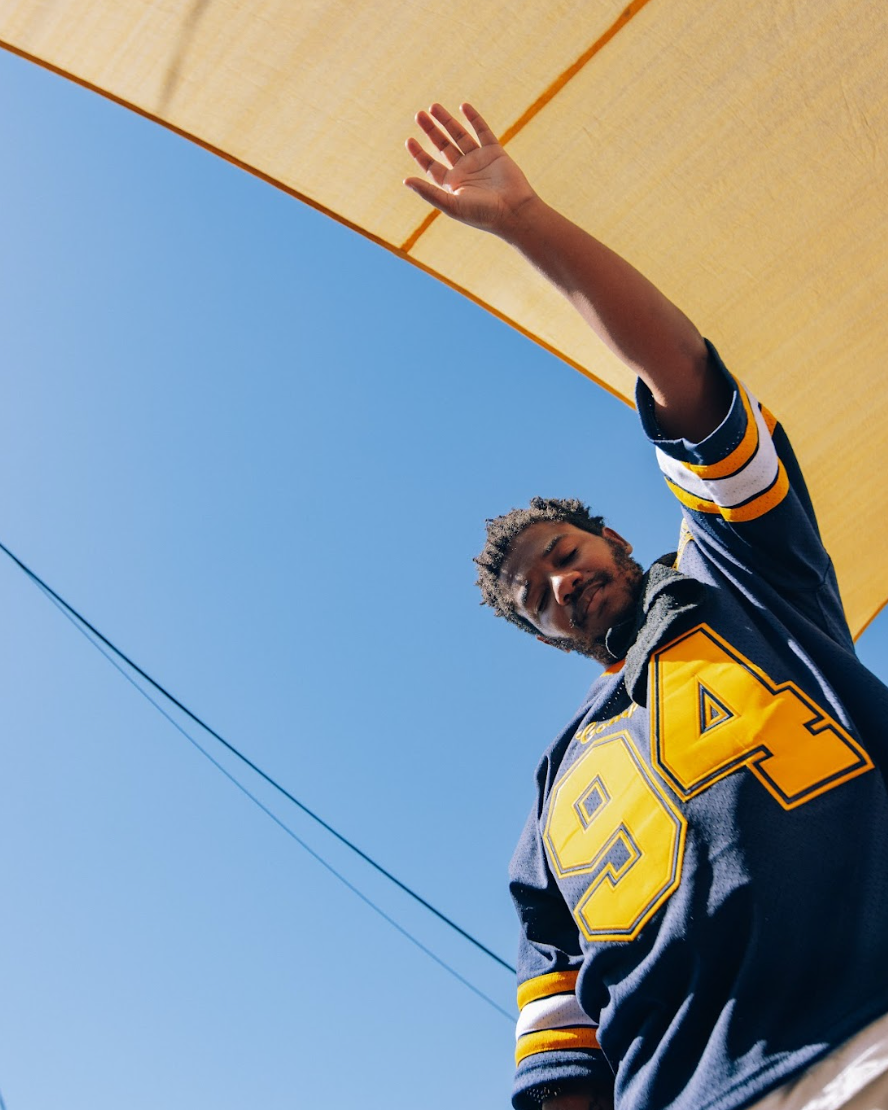
At one point, LaRussell mentioned that after leaving his mother’s house, he moved straight into a compound. He lives there with a group of friends. He pays the bills for them. He built a studio there. He also supports his parents and other close family. He said the cost of keeping all of it running, people, property, studio, systems, adds up to around fifty thousand dollars a month. And the only way to keep that momentum is to keep moving. Constantly. He spoke plainly about what that takes. No theatrics. Just output. It’s a pace I understand. That pressure to always be working. The exhaustion that sets in. That feeling that if you stop, everything you built might collapse.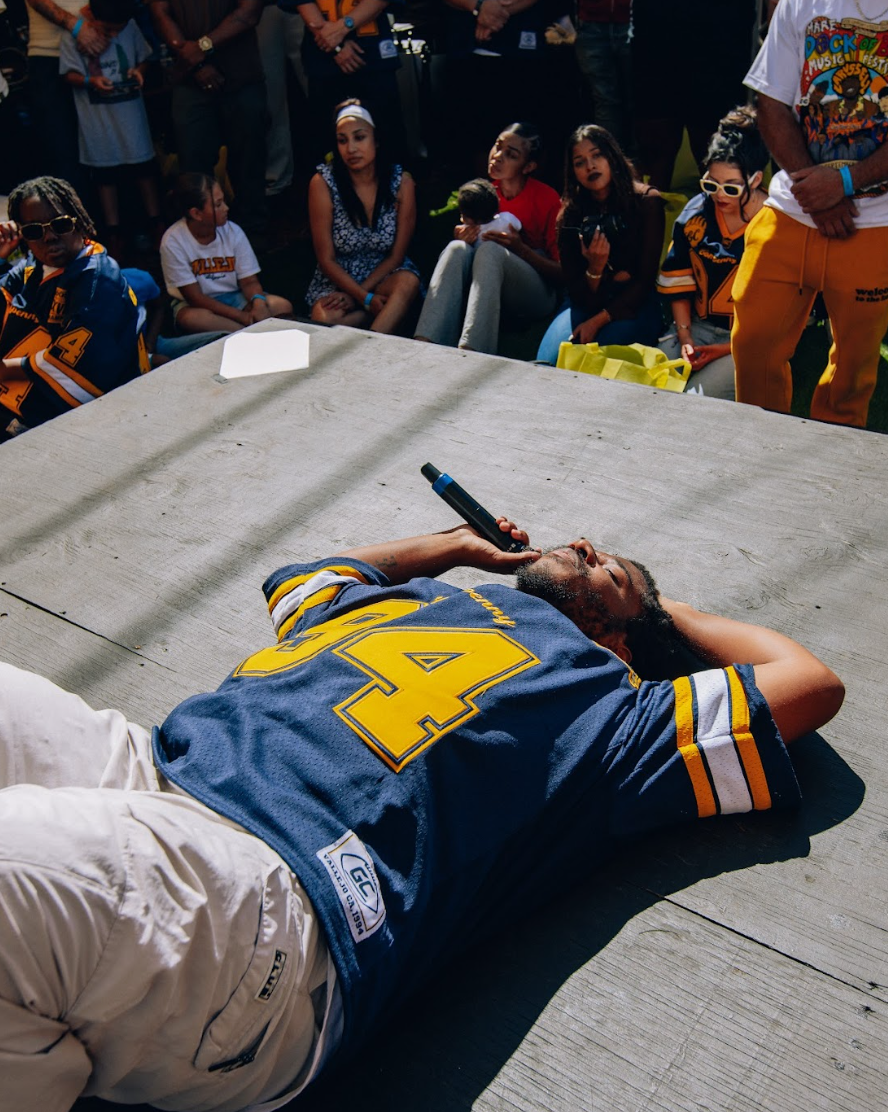
He told us about getting so sick from stress that he couldn’t eat. Couldn’t even swallow. His dad was making soul food, all his favorite things, and he couldn’t get a bite down. His body had shut down. I knew what he meant. The way pressure settles in your body. The way it grinds you down when you keep showing up for everyone while no one shows up for you. Until you can’t move, can’t choose, can’t speak. It happens slowly, then all at once. But sometimes you look around at what you’ve managed to hold together, and you feel something else. Gratitude. Not because it was easy, but because it’s finally all yours.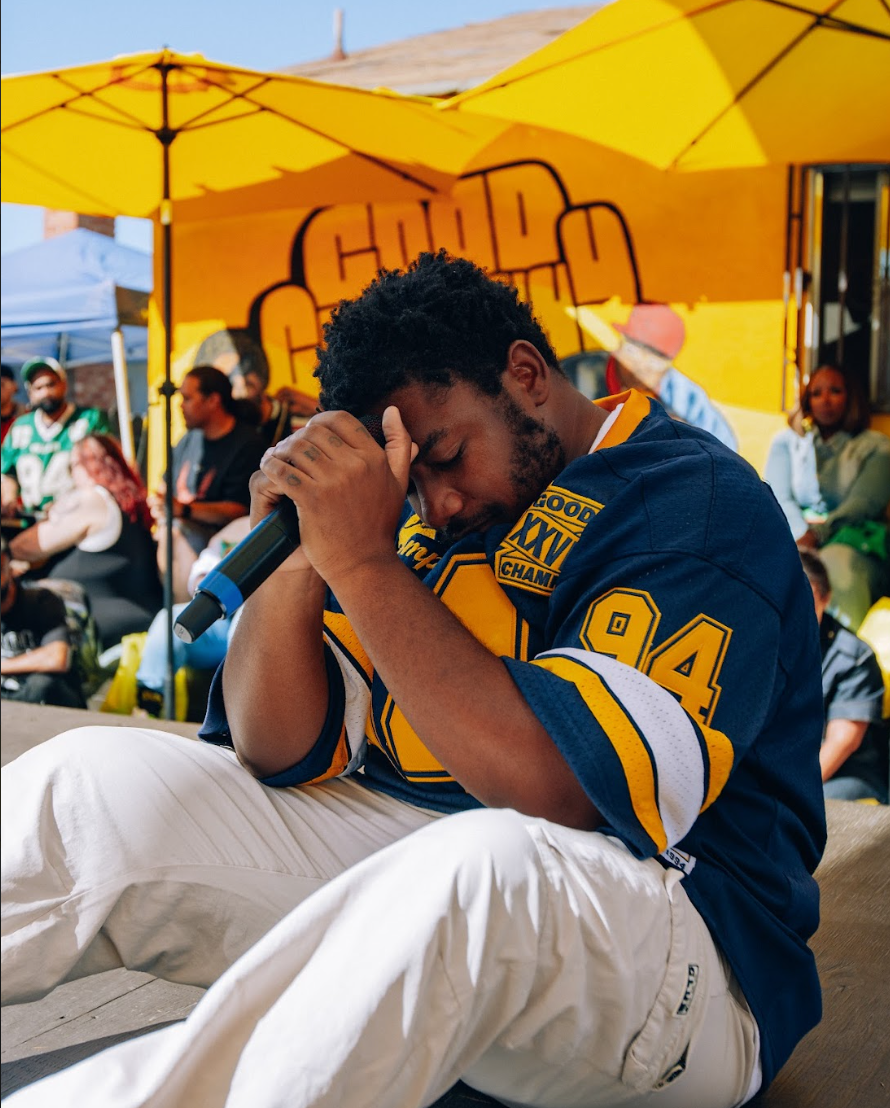
Later, during his performance of “What You Afraid Of,” LaRussell became overwhelmed. Toward the end of the track, he sat down on stage. His voice cracked as he rapped about poverty, prison, disappointment, failure, and the fear of ending up right back where he started. By the end of the song, he was sobbing. And without hesitation, his team moved. About ten people dropped what they were doing and climbed onto the stage. Cameramen, friends, family, managers. They circled him and pulled him into a giant hug. Someone said a prayer. Heads were bowed. Hands on shoulders. It was quiet.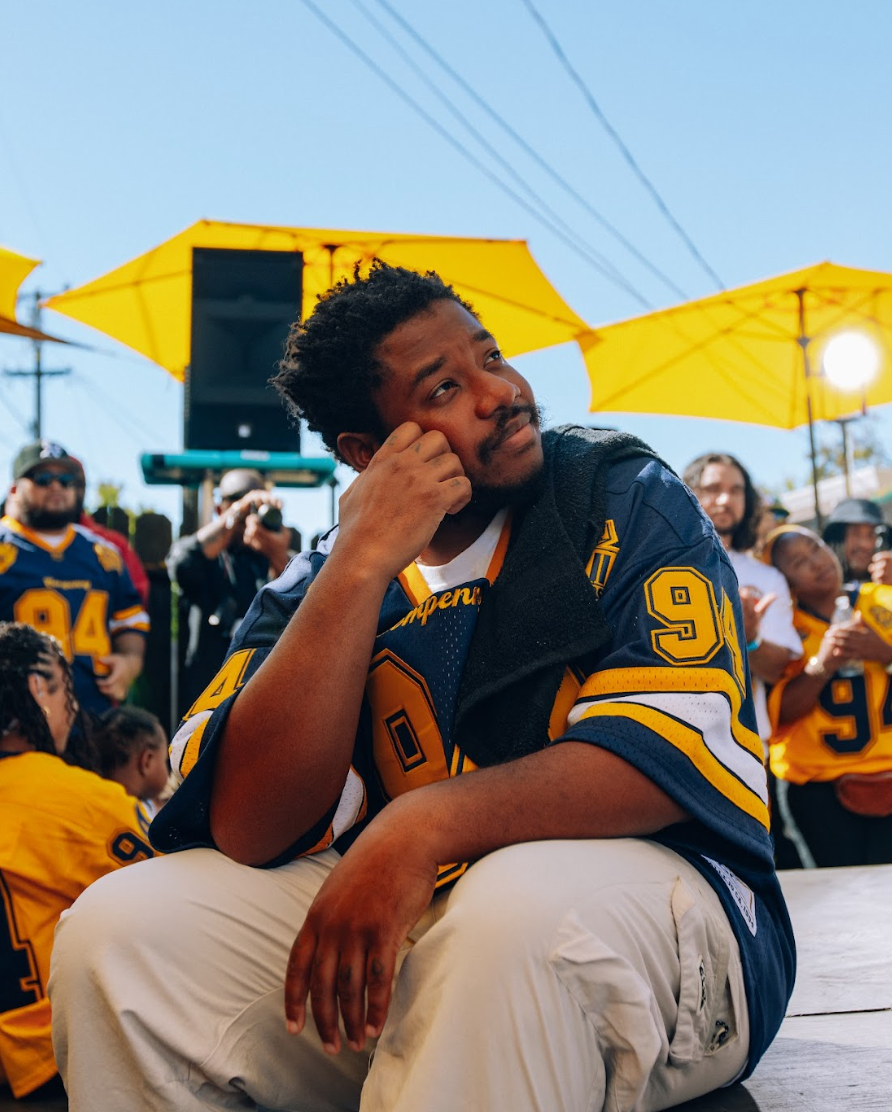
It wasn’t staged. It was a moment of grace, drawn tight around someone who needed it. And in a culture that so often mistakes stoicism for strength, it was powerful to watch a team respond with softness, without question. That kind of trust is rare. That kind of leadership even more so.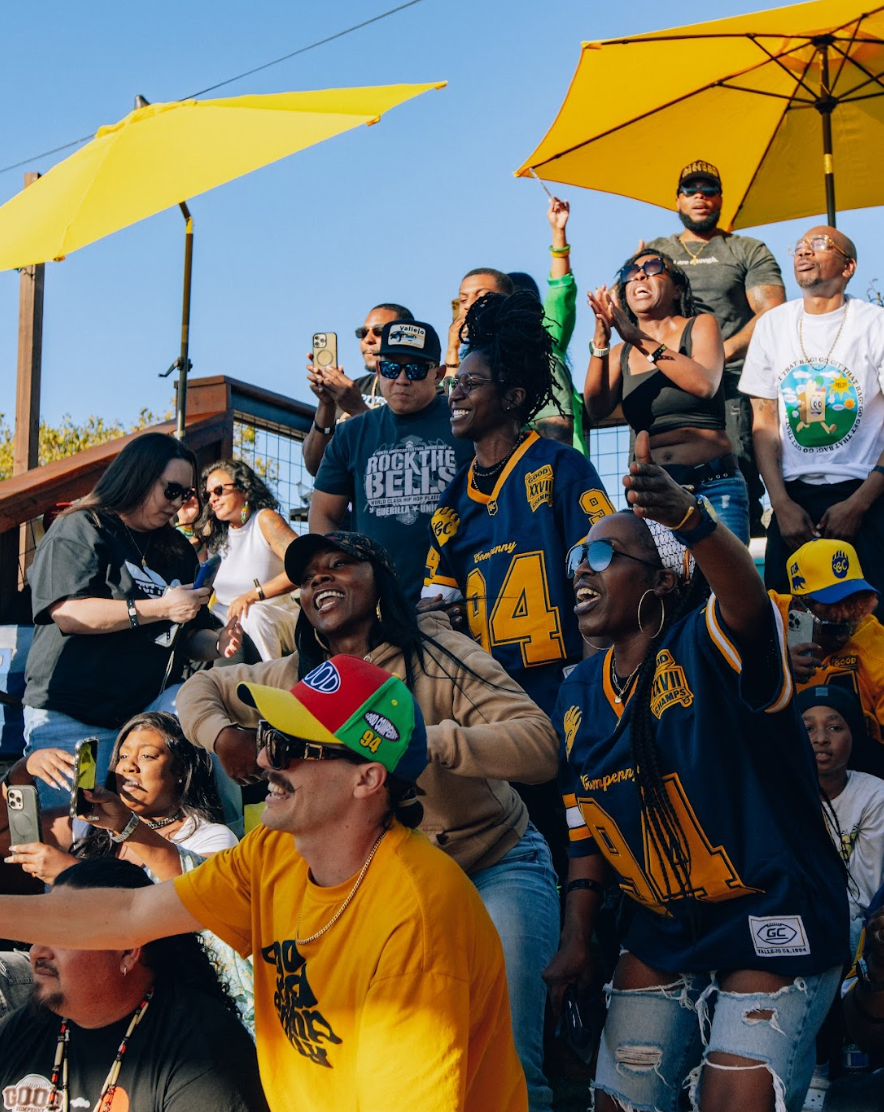
During the Q&A, a man stood up and shared something simple but striking. He had almost bought tickets to see Chris Brown. The price was close to a thousand dollars. He thought better of it. A few days later, LaRussell’s show was announced. Again, a thousand dollars. No hesitation. It felt worth it. He said he was an artist too, and had made over fifty thousand dollars using LaRussell’s Pay What You Want model. A system that changed his life.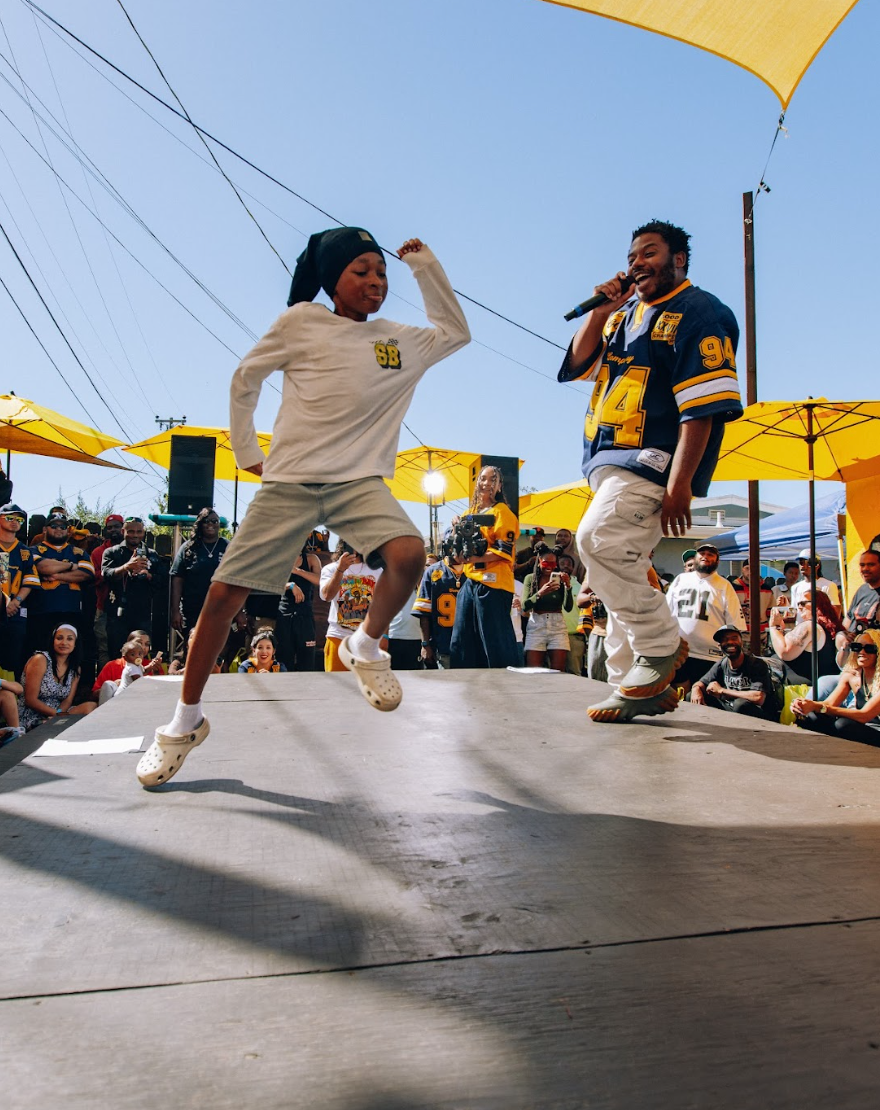
Someone else asked about the kids. What about the youth? LaRussell answered without hesitation. You give them purpose. You give them work. Not busy work, but something real. You treat them with respect. You let them carry water bottles, help with the stage, manage tasks adults would normally hold. And in return, they show up like adults. Because they are being taught what it means to contribute, to build, to belong.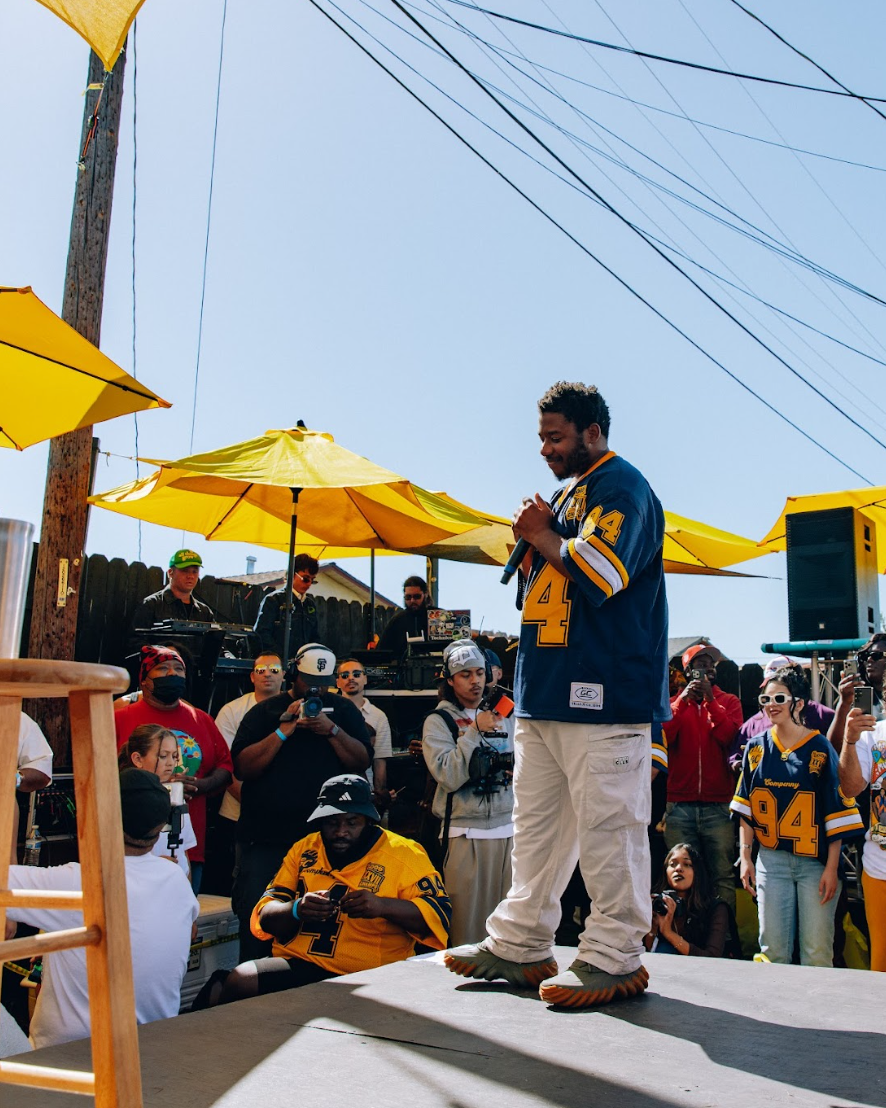
He spoke too about unlearning. Not just teaching values, but undoing the damage. Breaking apart the stories we’ve been told. Refusing to accept the labels placed on young Black men. Refusing to be angry at the people struggling in the streets, and choosing instead to be angry at the system that put them there. A quiet keyboard played beneath him as he spoke, soft and steady, like a pulse. It gave the moment a rhythm, like watching a sermon or a PSA, except it was neither. It was just truth, delivered live, without cue cards or handlers. And still, it held together better than most televised productions.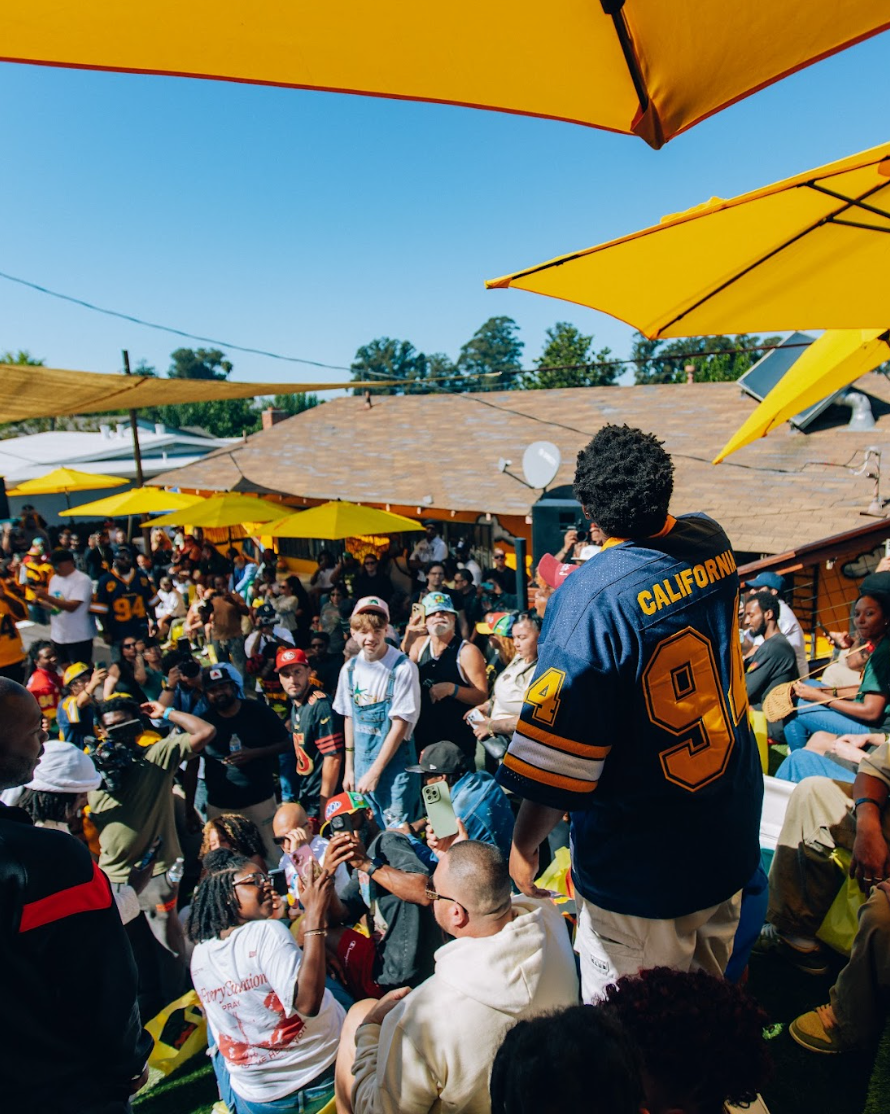
When he spoke about the future of hip-hop, he brought it back to its bones. To the men who told stories about where they came from. Their dreams. Their mothers. Their neighborhoods. Their fears. Hip-hop, he said, wasn’t always about money or cars or women. It used to be about voice. About truth. And maybe it could be again.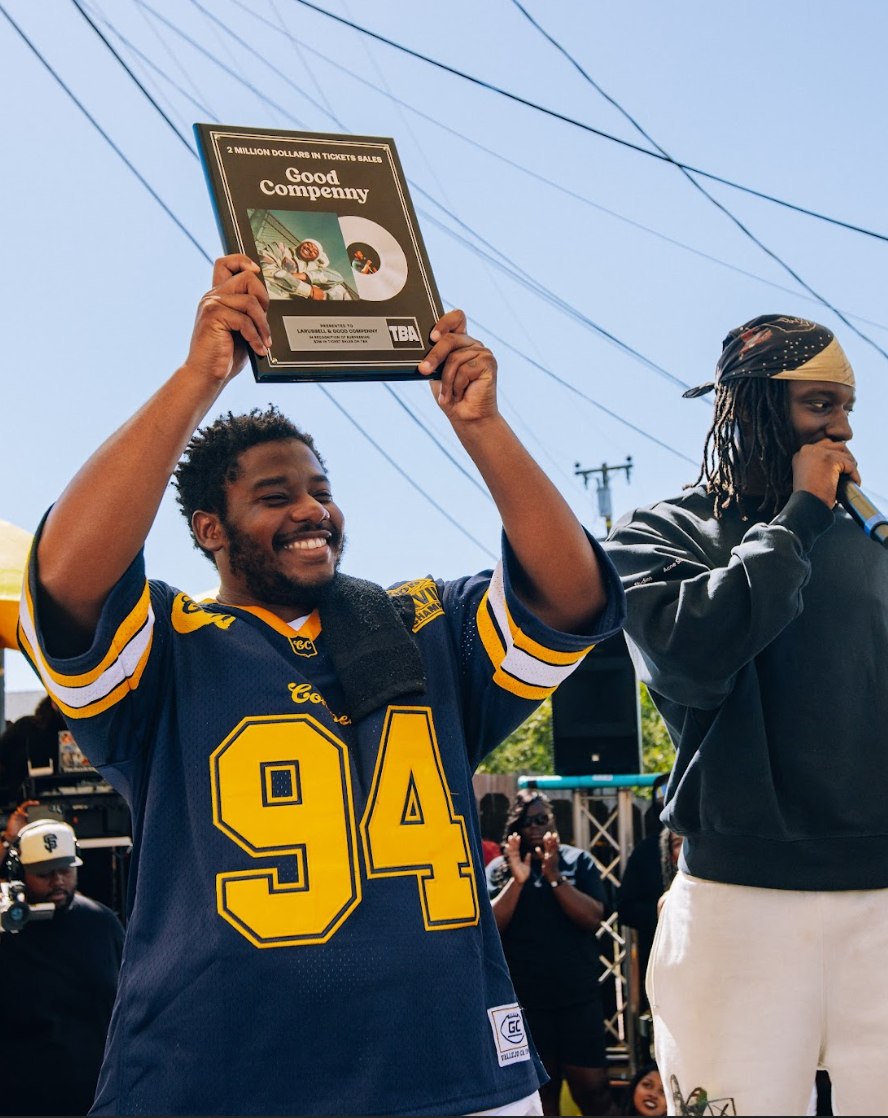
The set ran long. Full. Nearly two hours. Near the end, one of his friends stepped on stage with a plaque. They thought they had hit one million in ticket sales. It was actually two. Everyone laughed. Then the whole backyard sang him happy birthday. His birthday was the next day, a quiet thread running through the day.
When it wrapped, a food truck waited outside. They handed out snacks: three chicken wings and two lumpia, a nod to the Filipino roots that run deep in Vallejo. A soda to go with it. Security was gentle but present, clearing the street quickly to keep the peace. The tone stayed respectful. It felt right.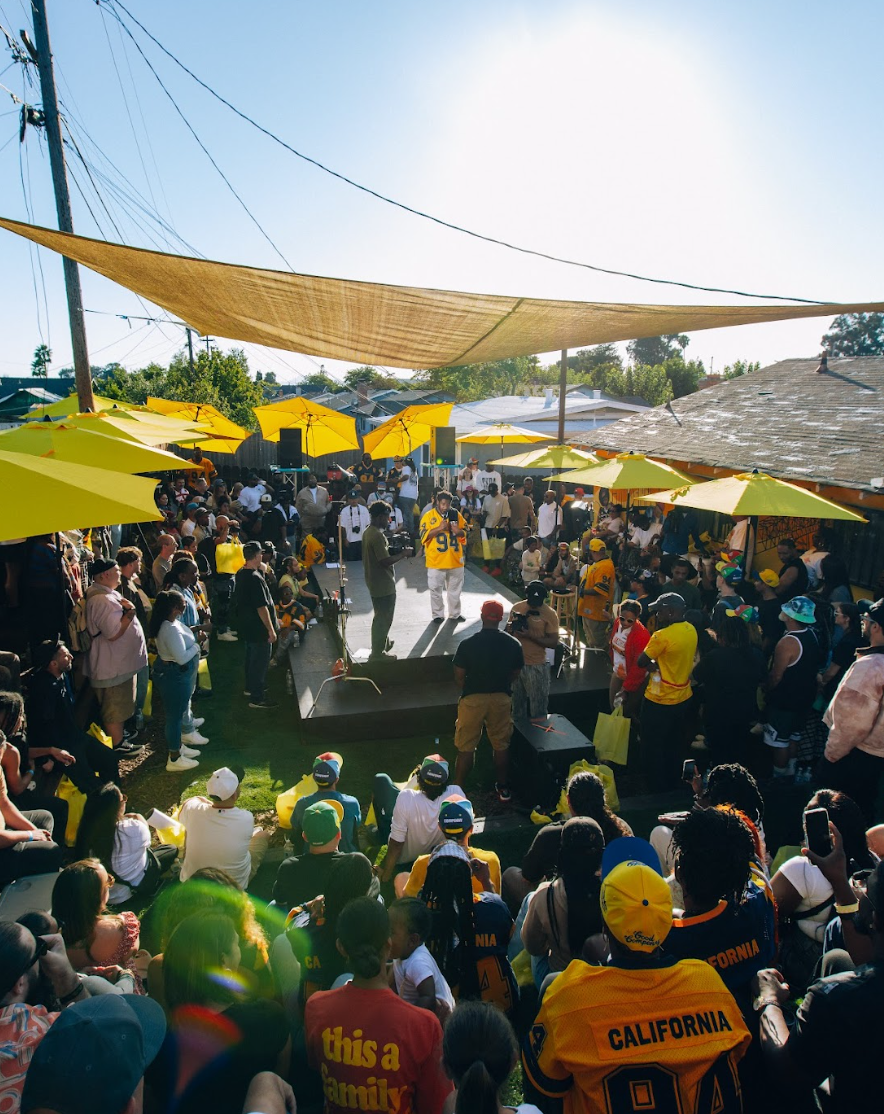
I had a few hours before the second show. Most of the press was gone. I stayed. I didn’t come for a headline. I came for the story. I wandered a bit, then found a family-run Filipino restaurant with open tables and an outlet to charge my waining devices. It wasn’t perfect, but it was real. The kind of real that hits different when the day has already meant something.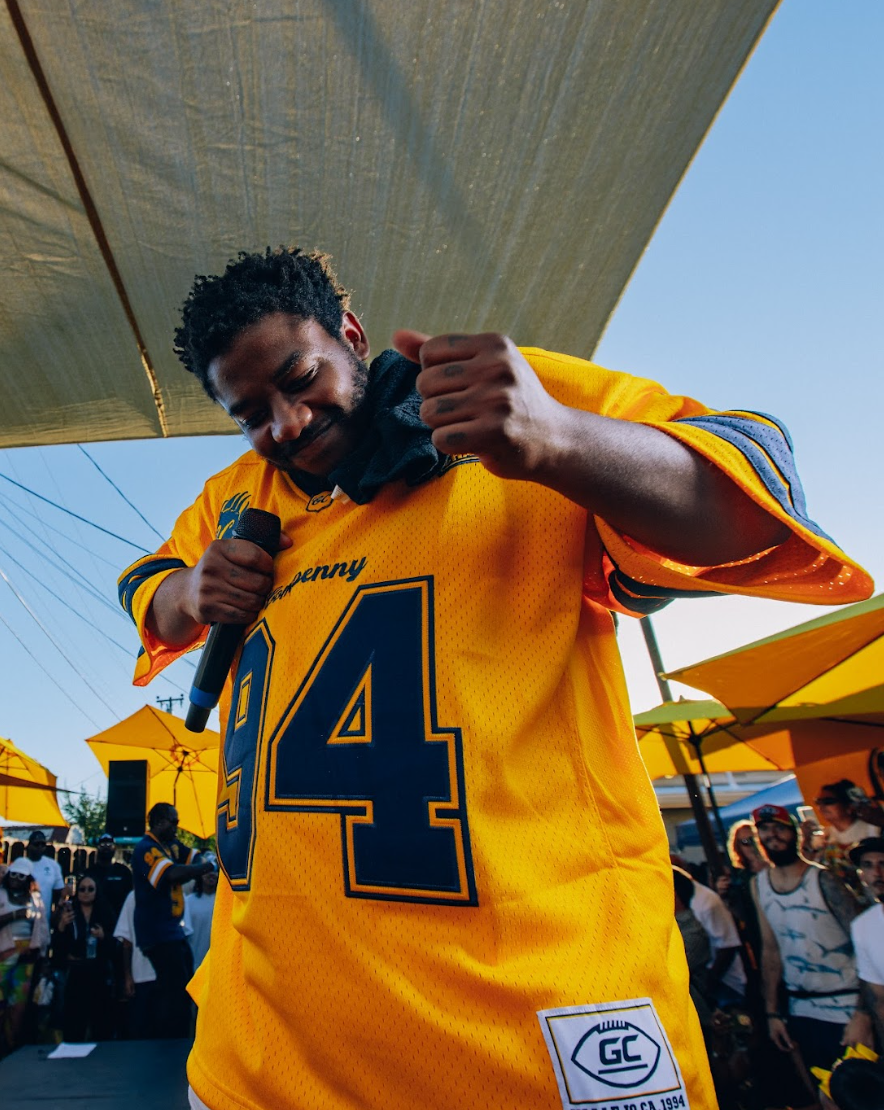
When I got back for the second set, LaRussell had changed into a yellow jersey. The sun was still strong. The set list hadn’t shifted much, but they started with the collaboration with Montell Jordan. The choir opened with “This Is How We Do It,” and it hit. It set the tone.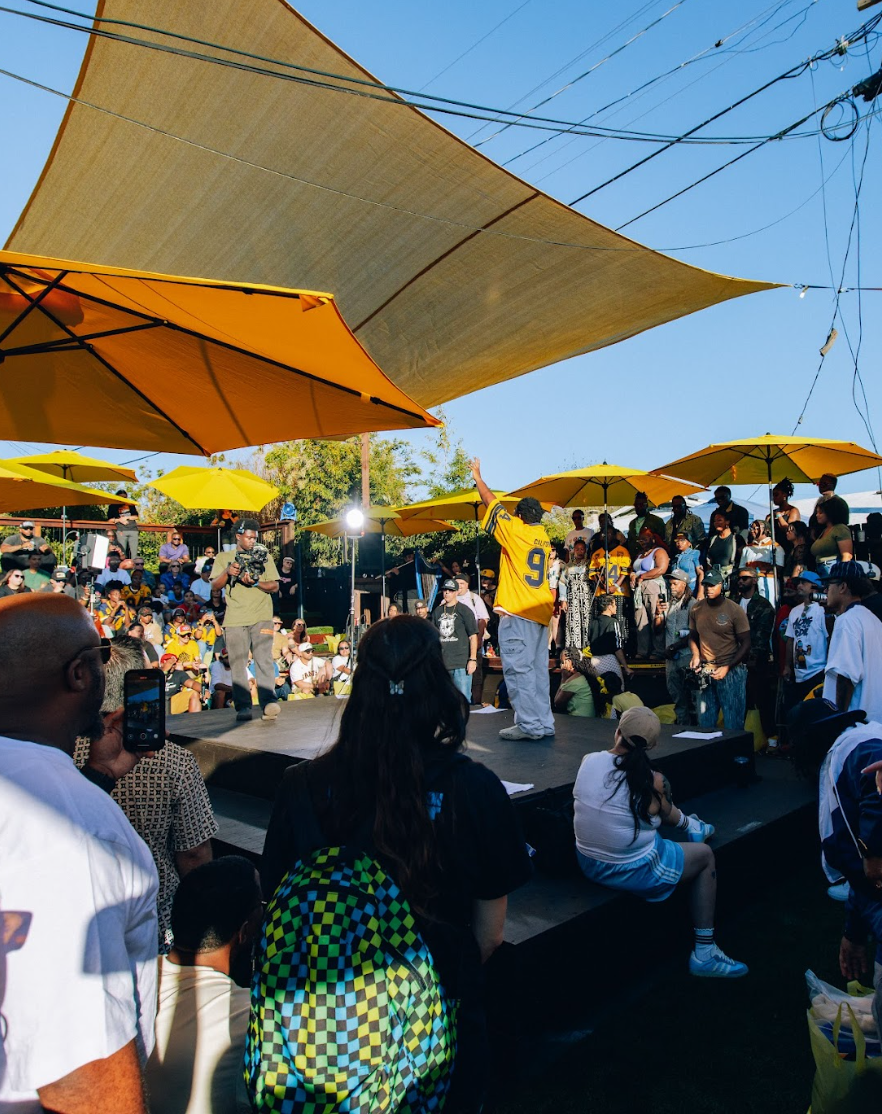
A few songs in, Avery Rose Haro, ten years old and full of energy, took the stage. She performed their track “We’re Outside” like she’d been doing it her whole life. Her spark, her comfort, her presence, all of it shined. She moved like someone born to the stage. Certain, bright, completely at ease. Not an accessory, not a novelty. An artist in her own right. She’s part of the foundation now.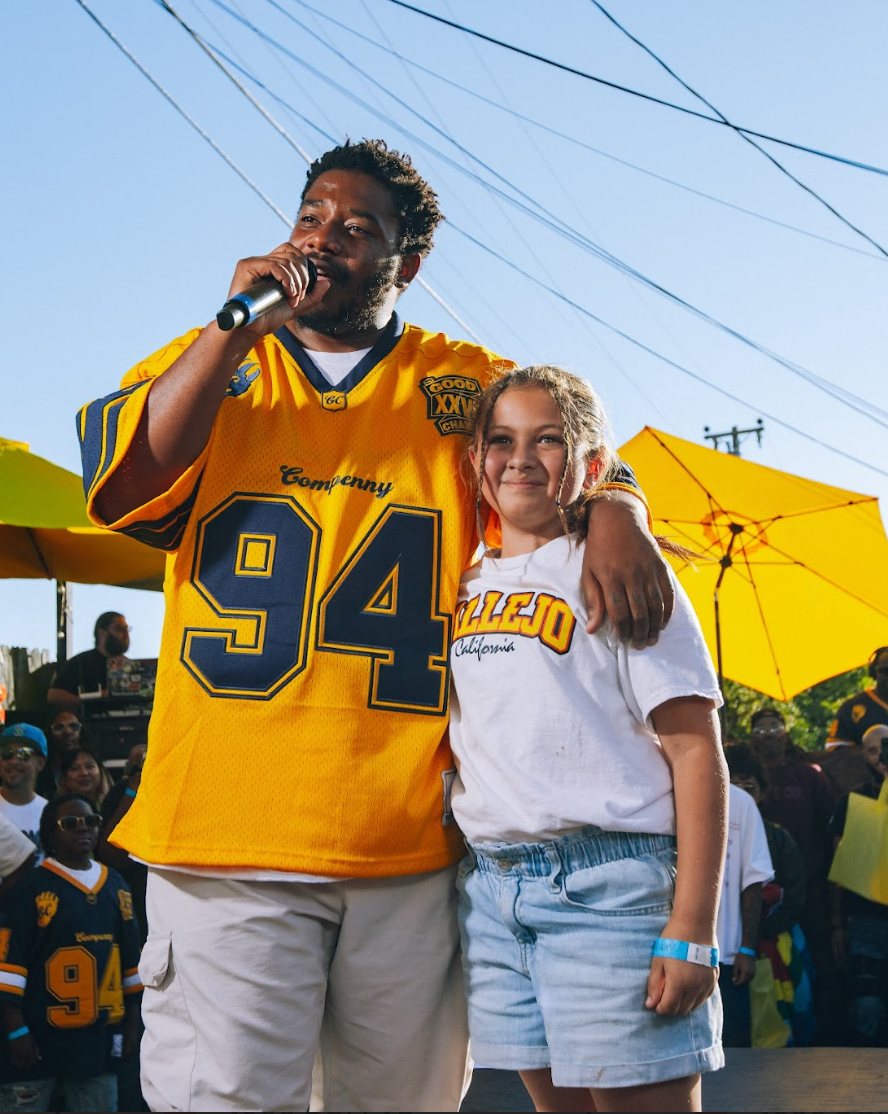
LaRussell answered more questions. A rapper from Paris had flown in just to be there. Another asked what keeps him going. He smiled. When he started, he said, it was the usual stuff. Girls. Cars. Weed. But somewhere along the way, that changed. He looked around and saw a crew depending on him. People who had built something beside him. With their own hands. With their own money. They made this happen. Not investors. Not labels. Just them.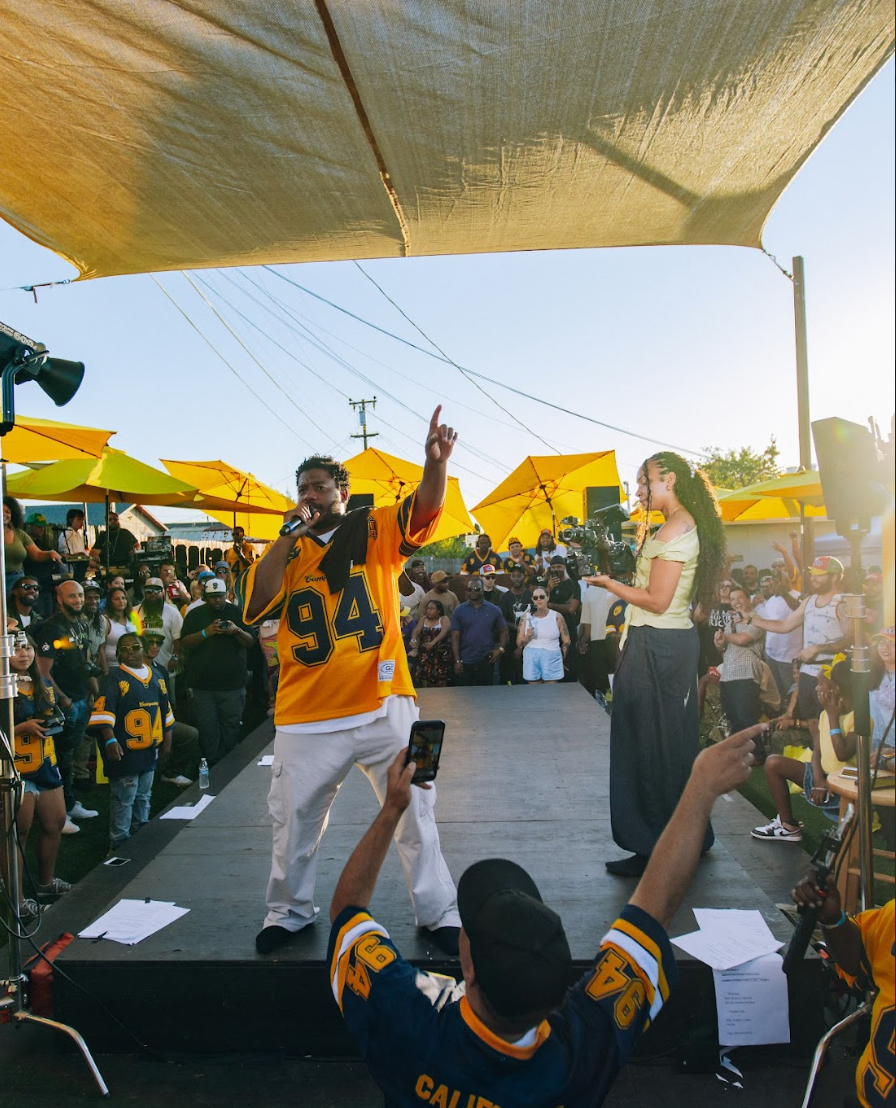
And what fuels him now is that. Making sure his people have work. That his mom’s house has been transformed. That his friends are fed. That every part of this machine keeps moving because it’s theirs. They own it. I understand that. When something you start becomes larger than you imagined, it can be overwhelming. The success can drain you just as fast as the struggle. Sometimes the fire quiets, not from failure but from arriving somewhere you never thought you’d reach. And once you’re there, the question shifts. What now? What’s worth carrying forward, and what has already done its part?
The steps blur. A grind becomes a routine. Days into weeks. Weeks into months. Then years. And if you don’t pause, take inventory, ask yourself why you’re still moving, you can lose the thread. But if you do pause, if you do breathe, and look around, sometimes the answer is right there. In the hands beside you. In the work already done. In the people still showing up.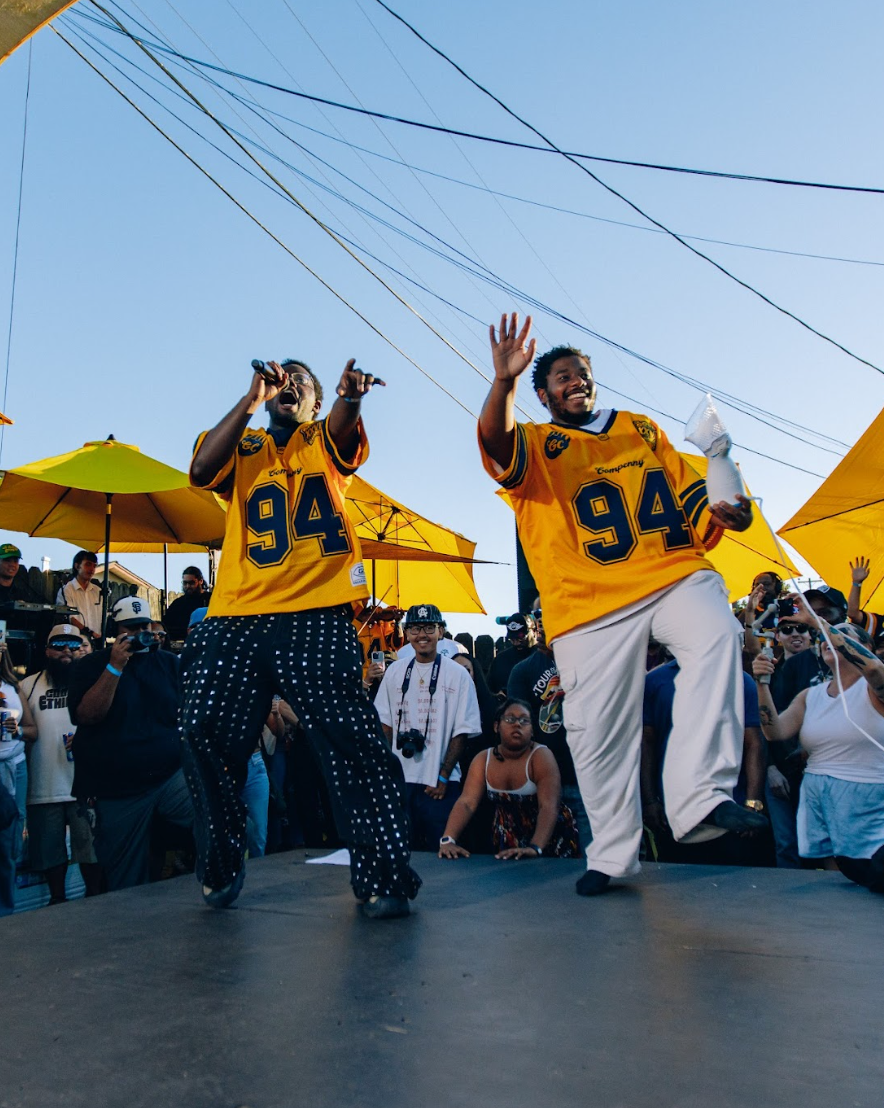
The only downside to such a stacked day was that midway through the second performance, LaRussell’s voice began to give out. He played it off well. A member of Collab Choir stepped in with a sharp, electrifying rap. He opened with one of his own songs, came back more than once, and kept the energy moving. A high school friend joined to sing a few verses. She sang “Everything’s Gonna Get Better,” the track she originally recorded. Her voice carried through the yard like something sturdy and clear. His manager, Tietta, stepped up with a few words too. Spoken word. A short poem. Motivation through the static.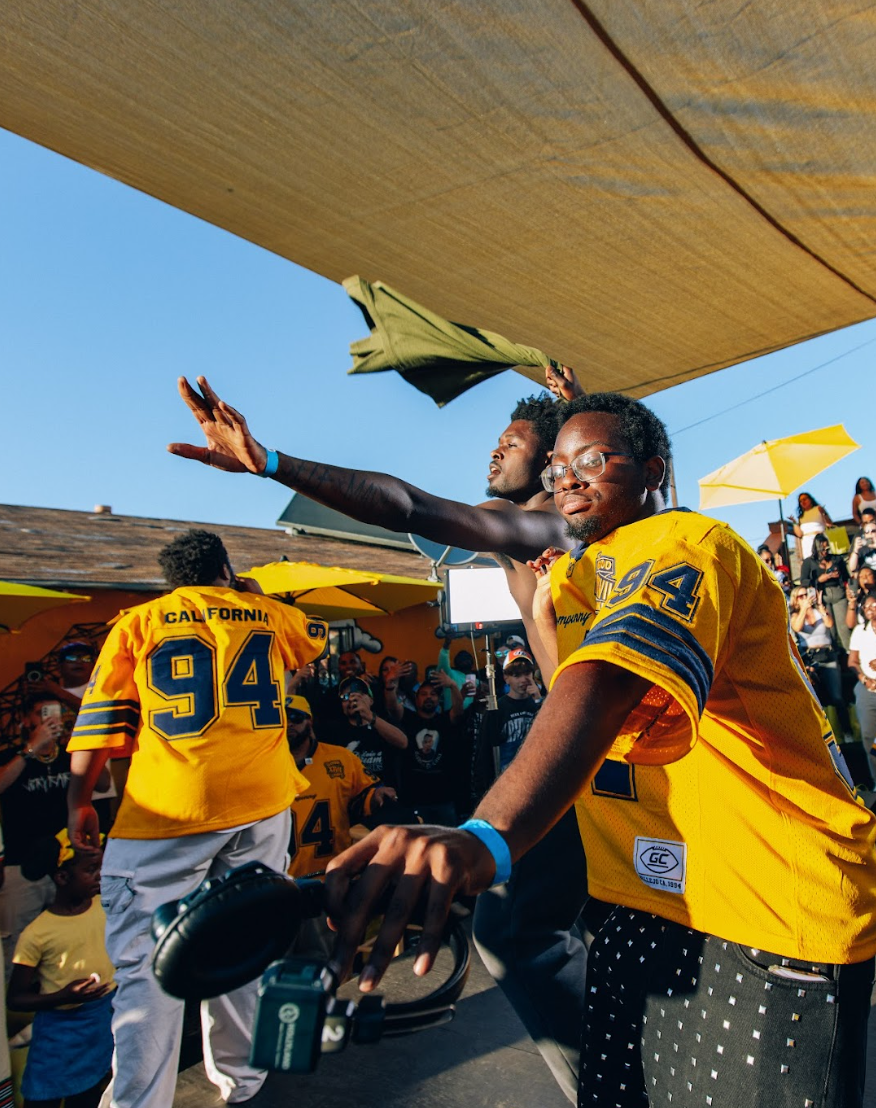
At one point, LaRussell turned toward his mother’s kitchen window and asked her to bring out his steam inhaler so he could keep going. That moment said it all. This was home. This was family. And the show went on. It took more effort by the end. He needed breaks. He leaned on the people around him. But the show held together, and it was full of range. It didn’t sag. It expanded.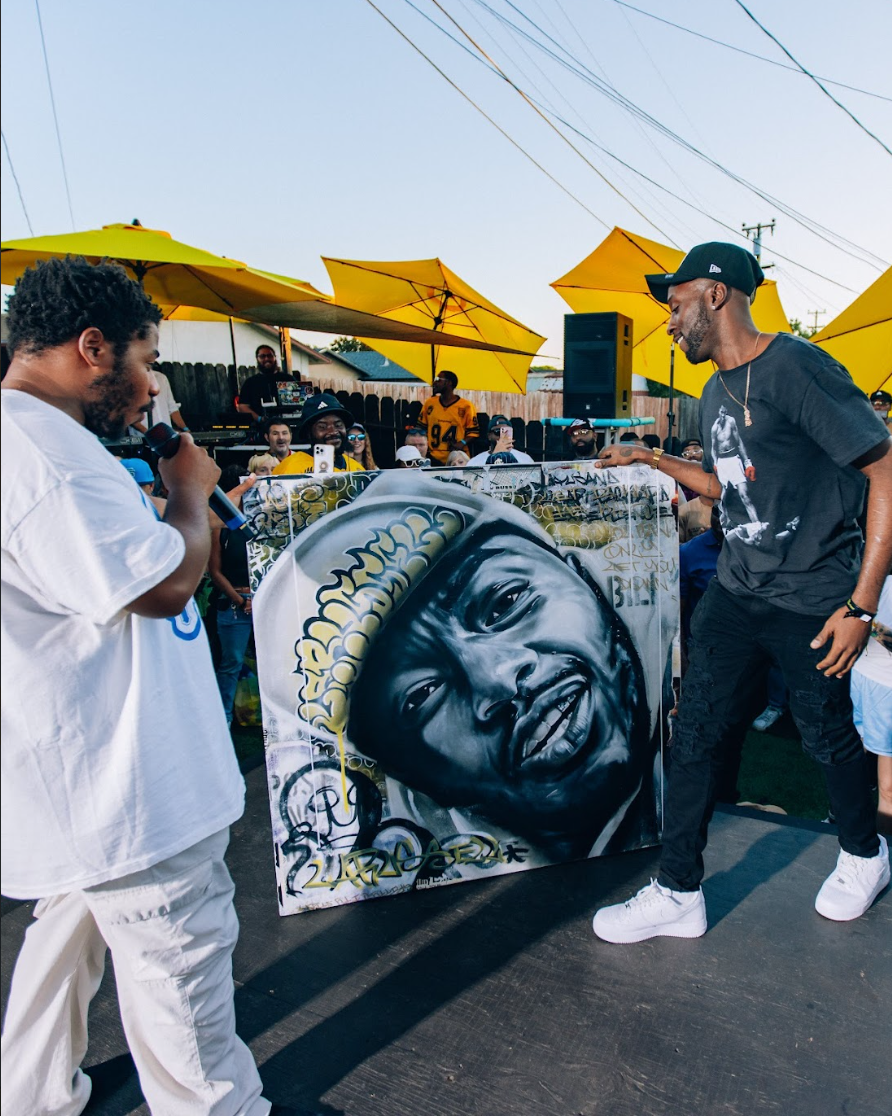
By the close, another local artist stepped out and gifted him a full-size canvas portrait. Bright color. Graffiti style. His face, oversized and rendered like a mural. It closed out two more hours steeped in Bay Area rhythm, rooted in place and purpose.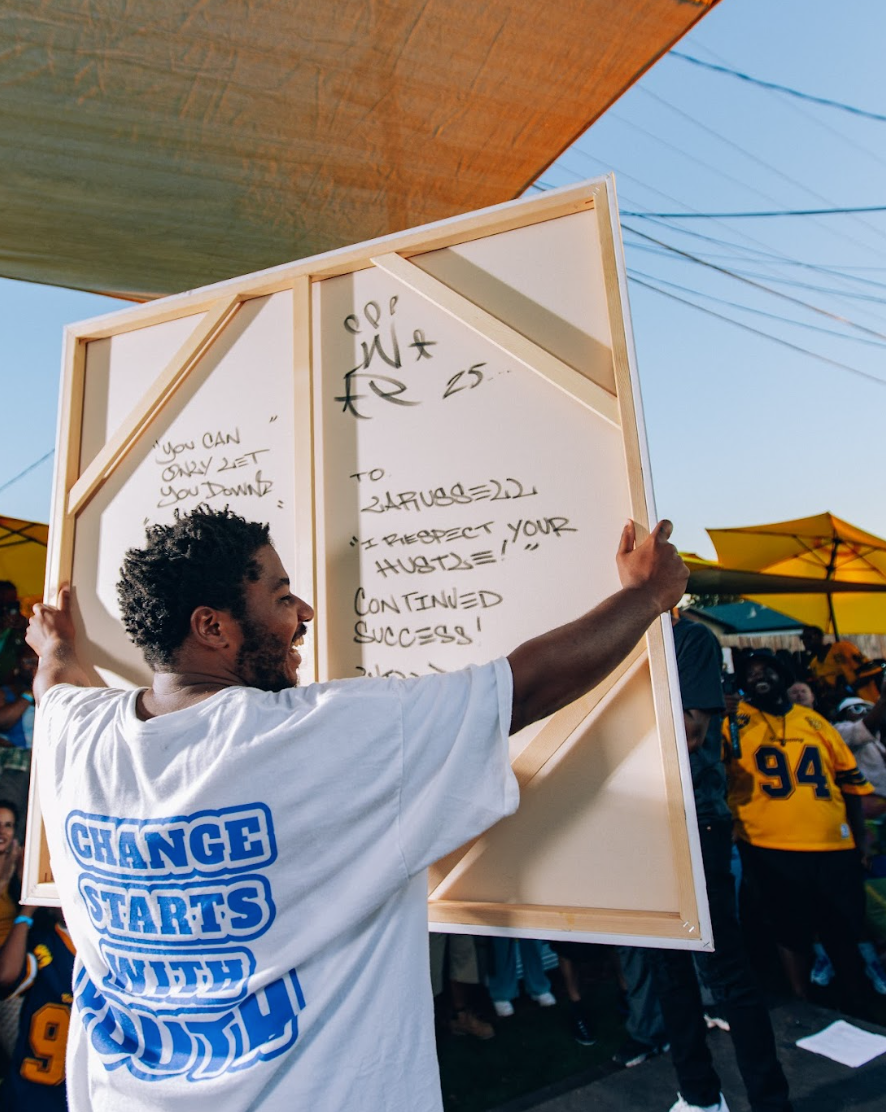
After a short break, we all made our way to the final part of the night: dinner with the artist. I had guessed earlier in the day that they’d probably use a banquet space, maybe the side room of a restaurant. I was right. In true Sonoma County fashion, we pulled off the highway and into a dirt and grass parking lot next to what looked like a wedding reception venue.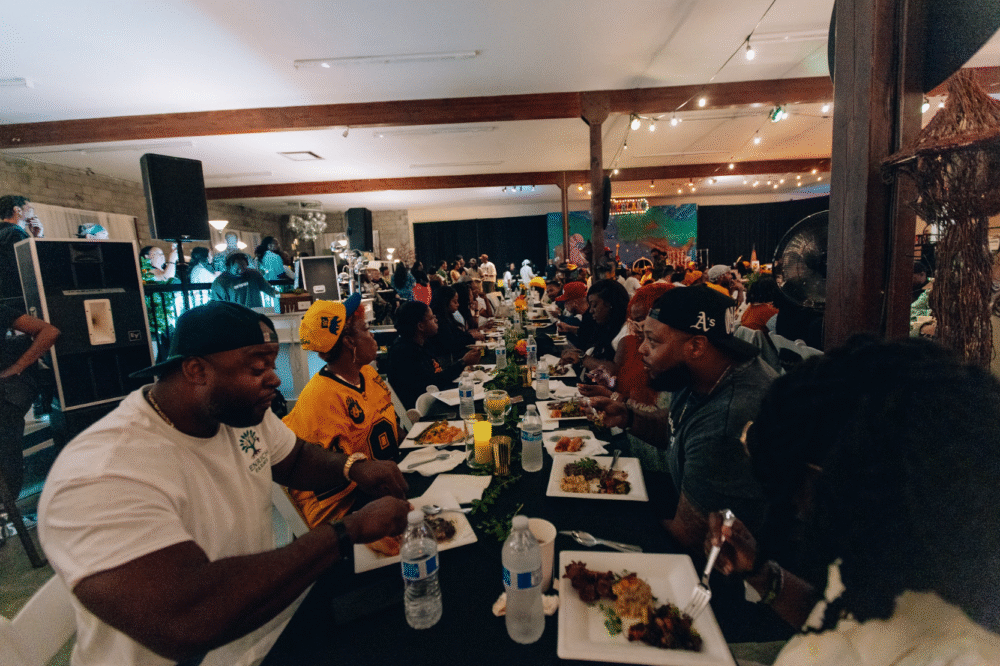
There was a bit of a wait, maybe thirty or forty-five minutes, before we were let in. Inside, it felt like a celebration. White folding chairs, decorated tables, soft flowers. There were enough seats for everyone. I picked one out of the way and ended up next to the Parisian rapper I’d met earlier, along with a few new friends who had all connected through LaRussell’s social media. One of them had commented online that she was flying in for the show. Someone else replied, and now they were here together, real friends. One of them had even brought her mother. When LaRussell called to personally thank her for buying a ticket, she passed the phone to her mom. He decided to fly her out too. Just like that. That’s the kind of host he is. The kind of leader. The kind of person.

This is just what happens at a LaRussell show. I’ve never been to one where I didn’t walk away knowing the person beside me. You follow each other on Instagram. You stay in touch. It happens without effort, without pretense.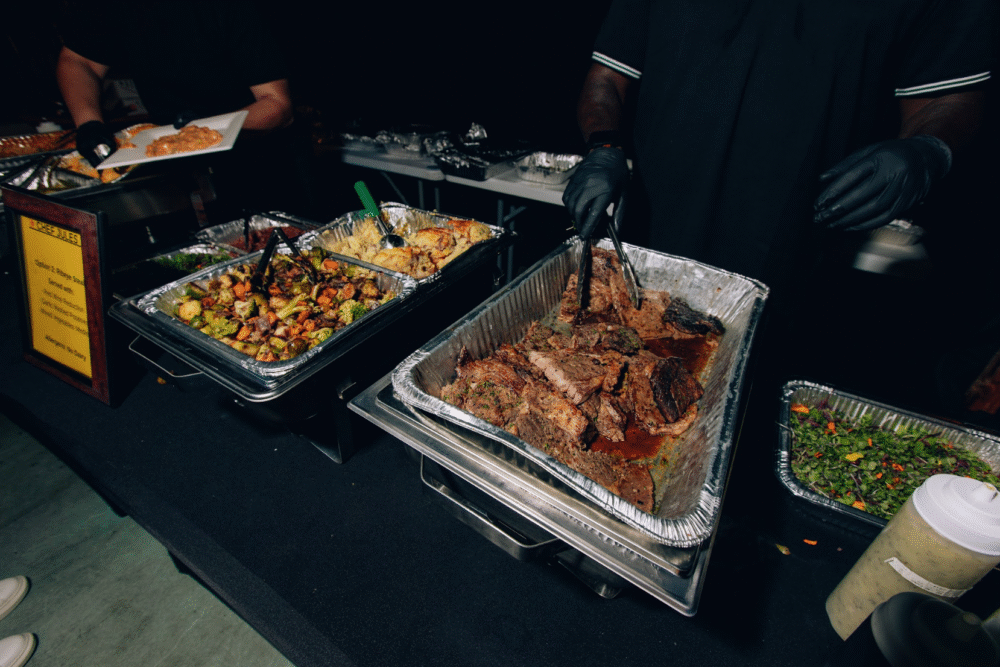
Dinner was slow but thoughtful. The choices were shrimp and grits with lobster, a fried chanterelle mushroom plate for vegans, or ribeye steak. Little details were considered, like Starbread Bakery rolls being readily available, an “if you know you know” rare local treat. I was part of one of the last tables to be called. It felt like a waiting game, like being on the show Four Weddings and hoping your table number gets picked. But the team handled it well. Tietta, who was managing the floor, made sure every guest was served before she even thought of eating herself. When the crew finally did eat, it was only after everyone else had what they needed.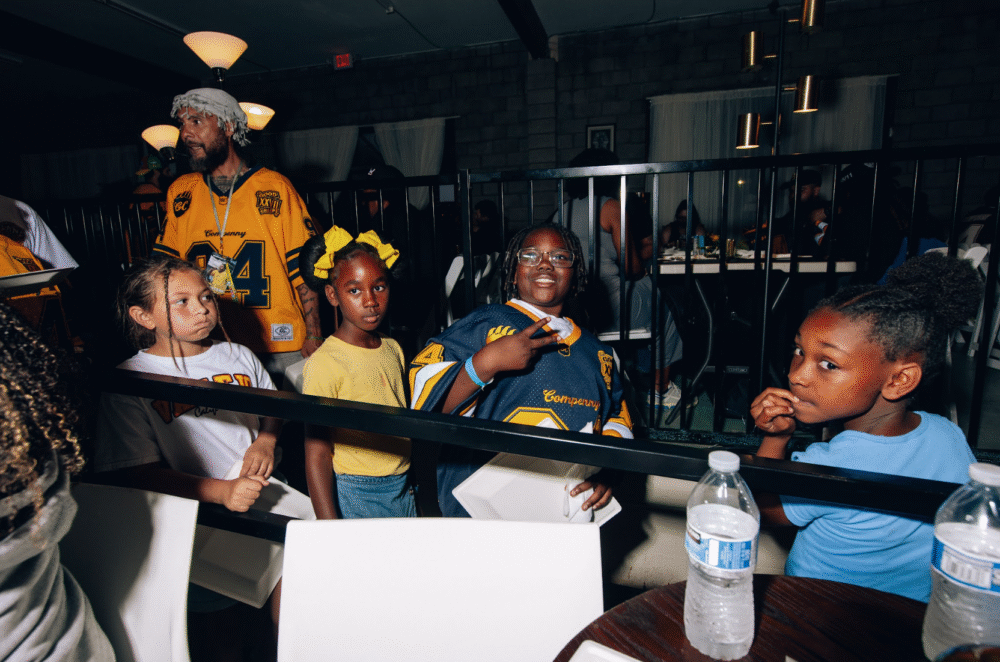
When LaRussell arrived, he didn’t make a speech or stand at the front. He walked table to table. Shaking hands. Saying thank you. Taking photos. By the time he reached us, he was clearly exhausted. His voice was almost completely gone. I didn’t ask for much. Just a photo and a chance to say thank you. He was a generous host.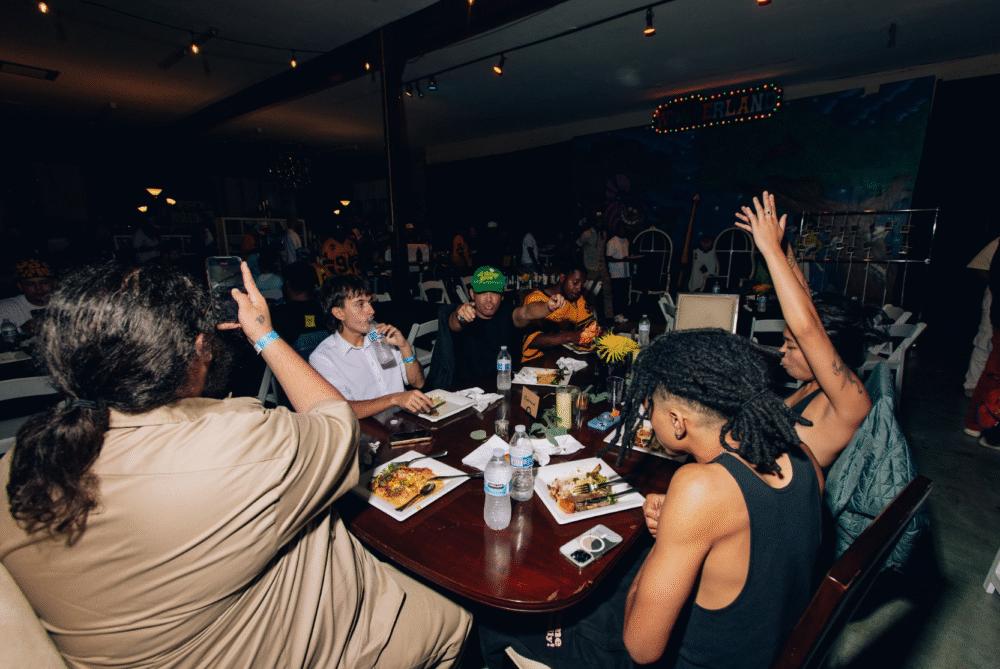
As someone who grew up bagging groceries in her mother’s liquor store in the East Bay, I know towns like Vallejo well. These are my communities. This is my language. In the punk scene I came up through, we had to find a way to get what we needed. No streaming. No downloads. We found the records. Found the shows. Found a way to keep them from getting shut down. It was always about work. Always about showing up. Always DIY.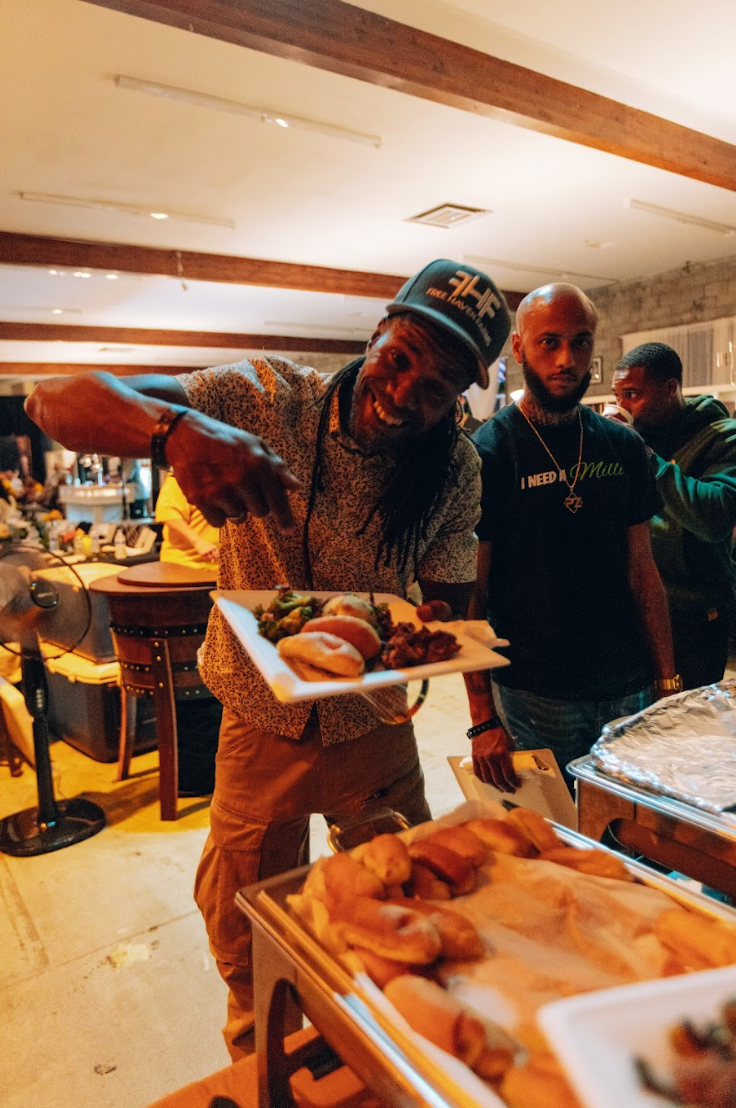
Now, to be a journalist, to do this professionally, to return to the places that built me and see someone like LaRussell build something of his own, it lands differently. He’s going far above and beyond building a music industry career, he’s creating real community infrastructure. He’s creating safety. He’s giving people a place to go and something to be part of. He could run for office with the way he speaks and the values he carries. He deserves support. He deserves cultural protection from the systems that burn people like him out.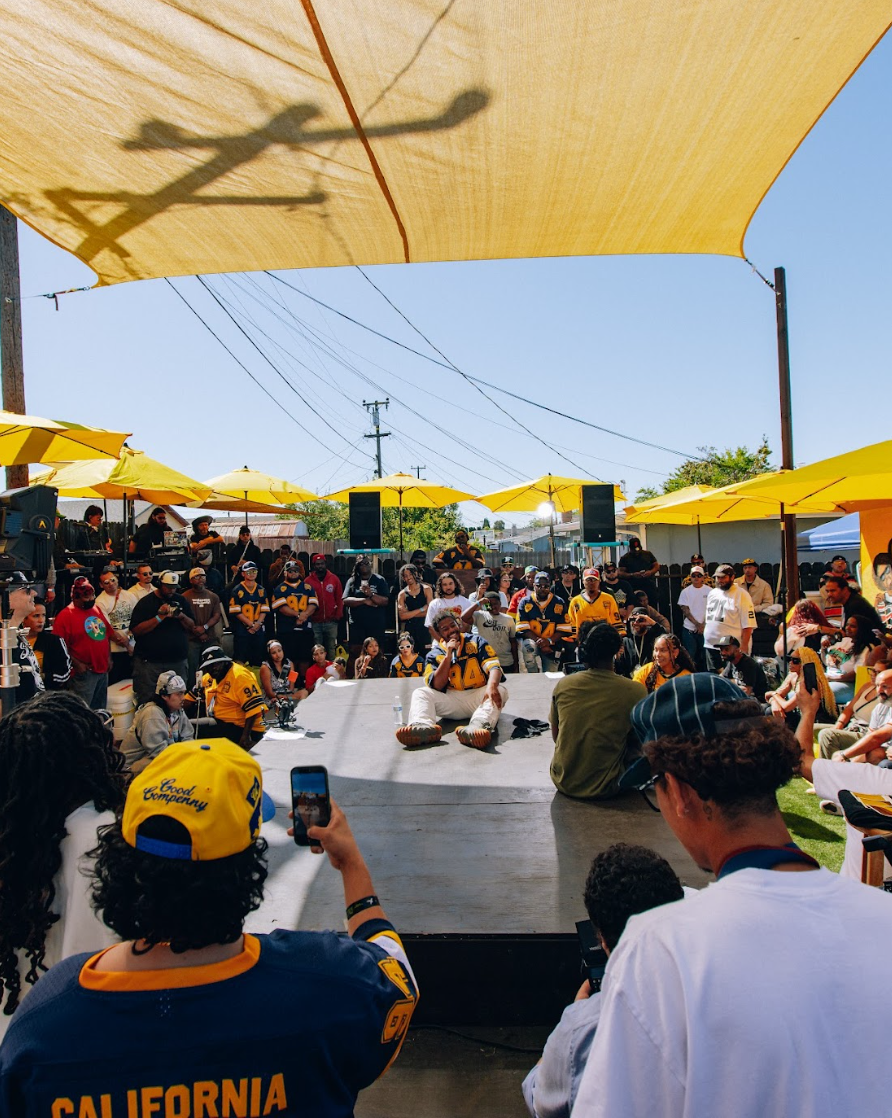
LaRussell is playing the San Francisco MoMA on Friday night, November 14, for a members-only event marking the eve of the KAWS exhibit opening. It’s a fitting stage: an artist of the people inside an institution of art.

This was one of the most distinct live performances I’ve ever witnessed. A blueprint for what artists can do in their own hometowns. No label. No middlemen, just community. Just intention. Just value. It is slow, it is costly; but it is possible. You can lead by doing. You can create outside the system. And when you do, the people who need to find you will.

Not everyone listens to what you say. But they will watch what you build. And when you build with care, they show up.
You can build your own pace. Your own platform. Your own proof. You can charge your worth. And if you stay the course, with care and without compromise, you’ll always find yourself in Good Compenny.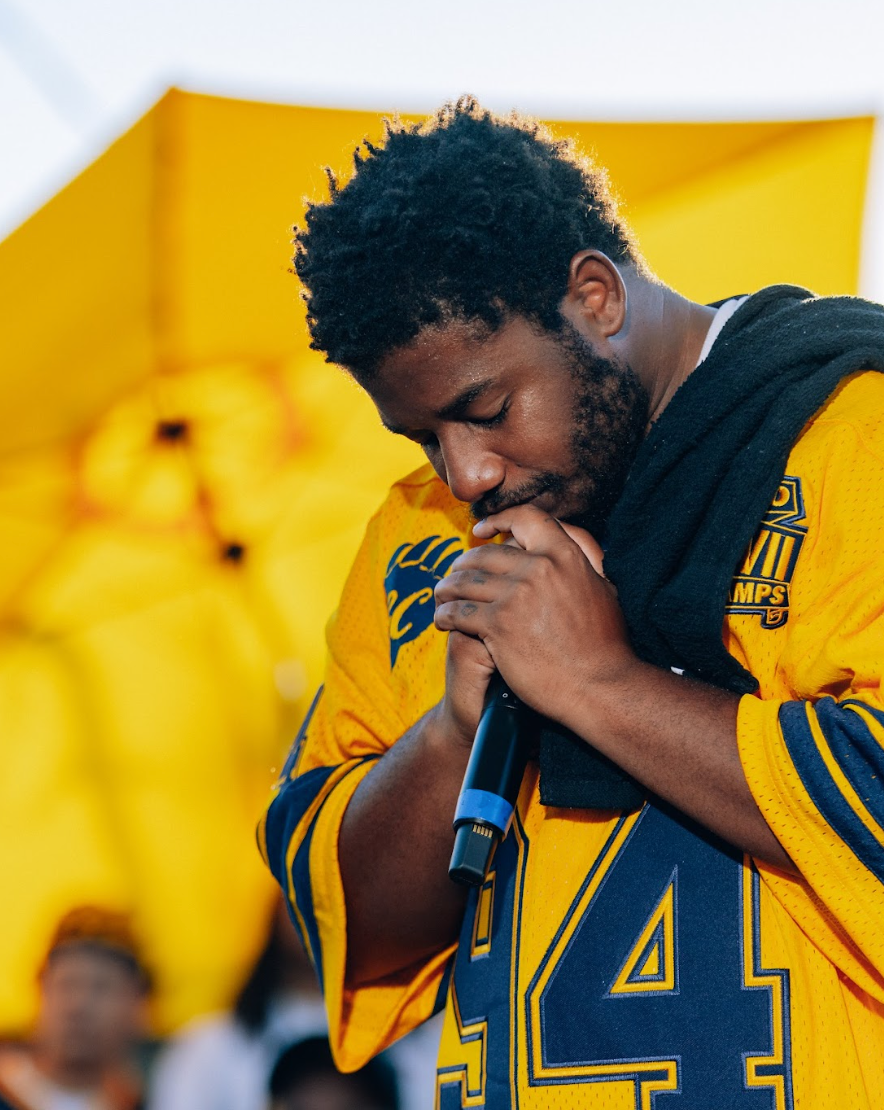
All photos in this article courtesy of Jason Hayes

