
As the 2026 midterm elections approach, a new study reveals that LGBTQ+ Gen Z voters are prioritizing more than policies directly affecting their community. From climate change and immigration enforcement to healthcare and international conflicts, young queer voters are demonstrating that their political concerns extend across multiple social justice issues.
Research found that nearly 74% of surveyed Gen Z voters ages 18 to 29 reported being likely or certain to vote in November. The findings also revealed significant differences between LGBTQ+ voters and their heterosexual, cisgender peers regarding which political issues they consider most pressing. Climate change emerged as a major concern, with 88.1% of LGBTQ+ respondents describing it as a serious or urgent issue, compared to 72.4% of non-LGBTQ+ respondents.
Immigration enforcement also ranked highly. Approximately 87.2% of LGBTQ+ participants expressed serious concern about Immigration and Customs Enforcement (ICE) operations under Trump’s administration, compared to 68.1% of their non-LGBTQ+ counterparts. Similarly, 81.8% of LGBTQ+ respondents identified the war in Gaza as a significant concern, compared to 67.1% of non-LGBTQ+ participants.
However, protecting LGBTQ+ communities remains an important priority. The study found that 84.6% of LGBTQ+ Gen Z voters considered anti-discrimination legislation a serious or urgent issue, compared to 49.5% of non-LGBTQ+ respondents. Access to healthcare for transgender youth also emerged as a concern, with 69.9% of LGBTQ+ participants prioritizing protections compared to 52.1% of their peers.
Political preferences reflected these differences. More than 70% of LGBTQ+ respondents said they would support a Democratic congressional candidate, compared with about half of non-LGBTQ+ respondents. Interestingly, researchers discovered that shared values mattered more to LGBTQ+ Gen Z voters than a candidate’s age or demographic background.
The findings illustrate how younger LGBTQ+ voters connect issues affecting their identities with broader conversations surrounding human rights, environmental protection, and social equality.
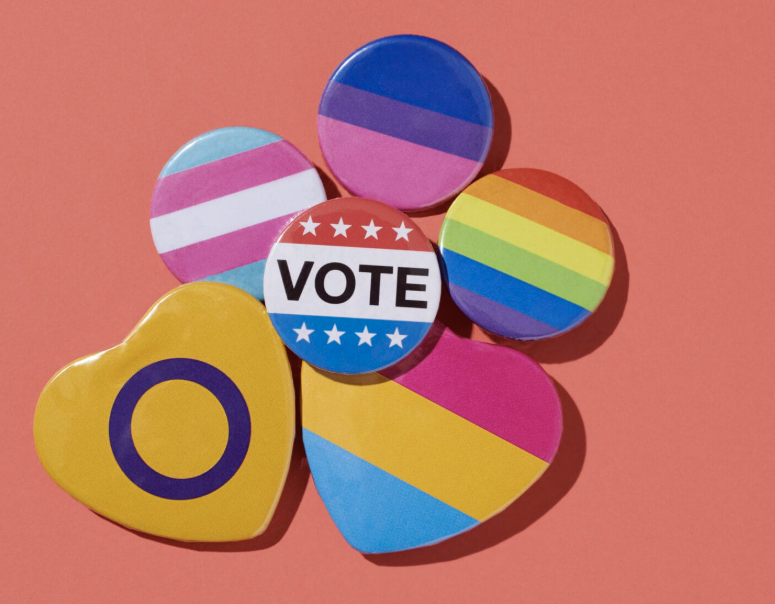
Photo courtesy of Unsplash
